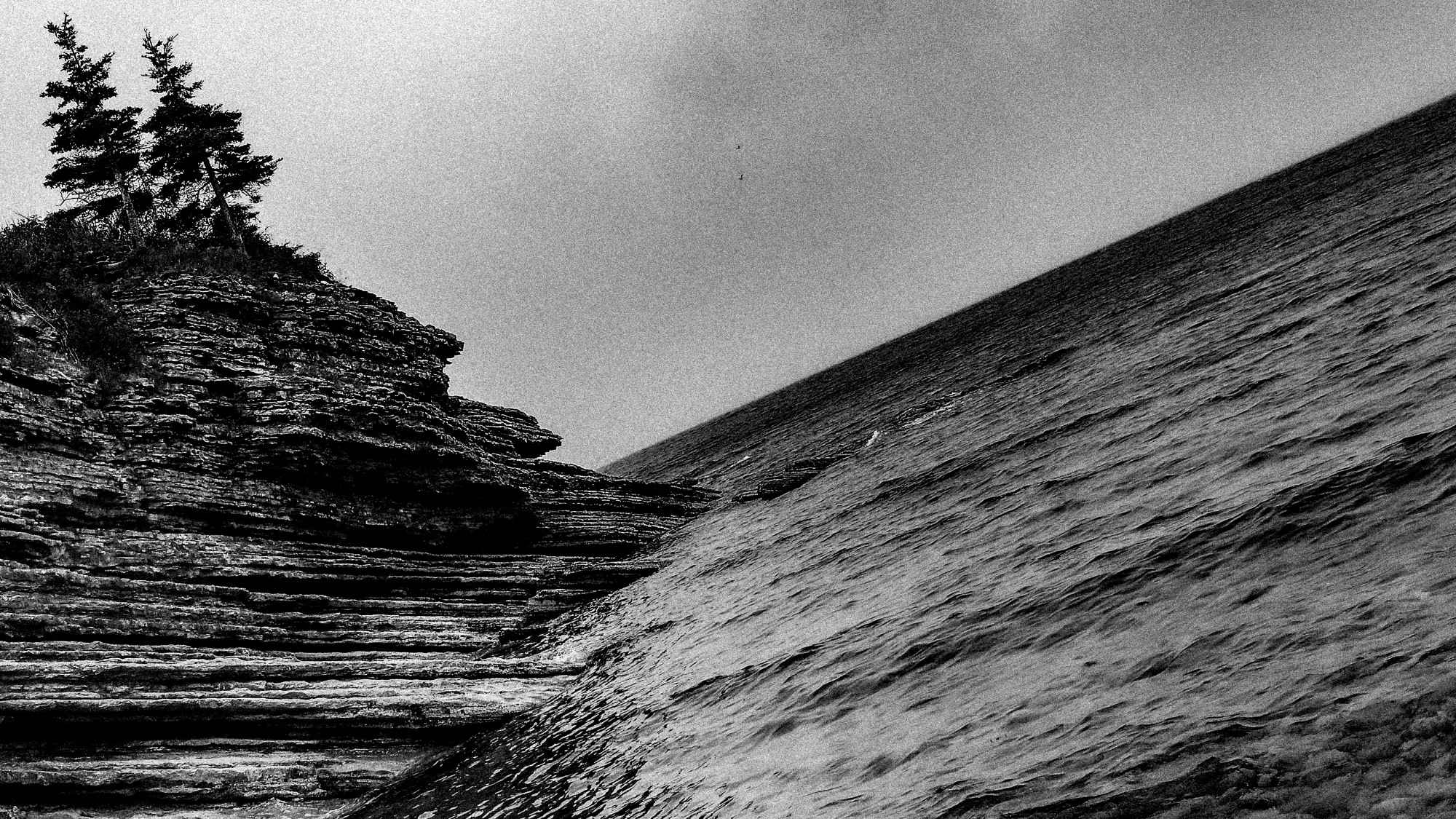
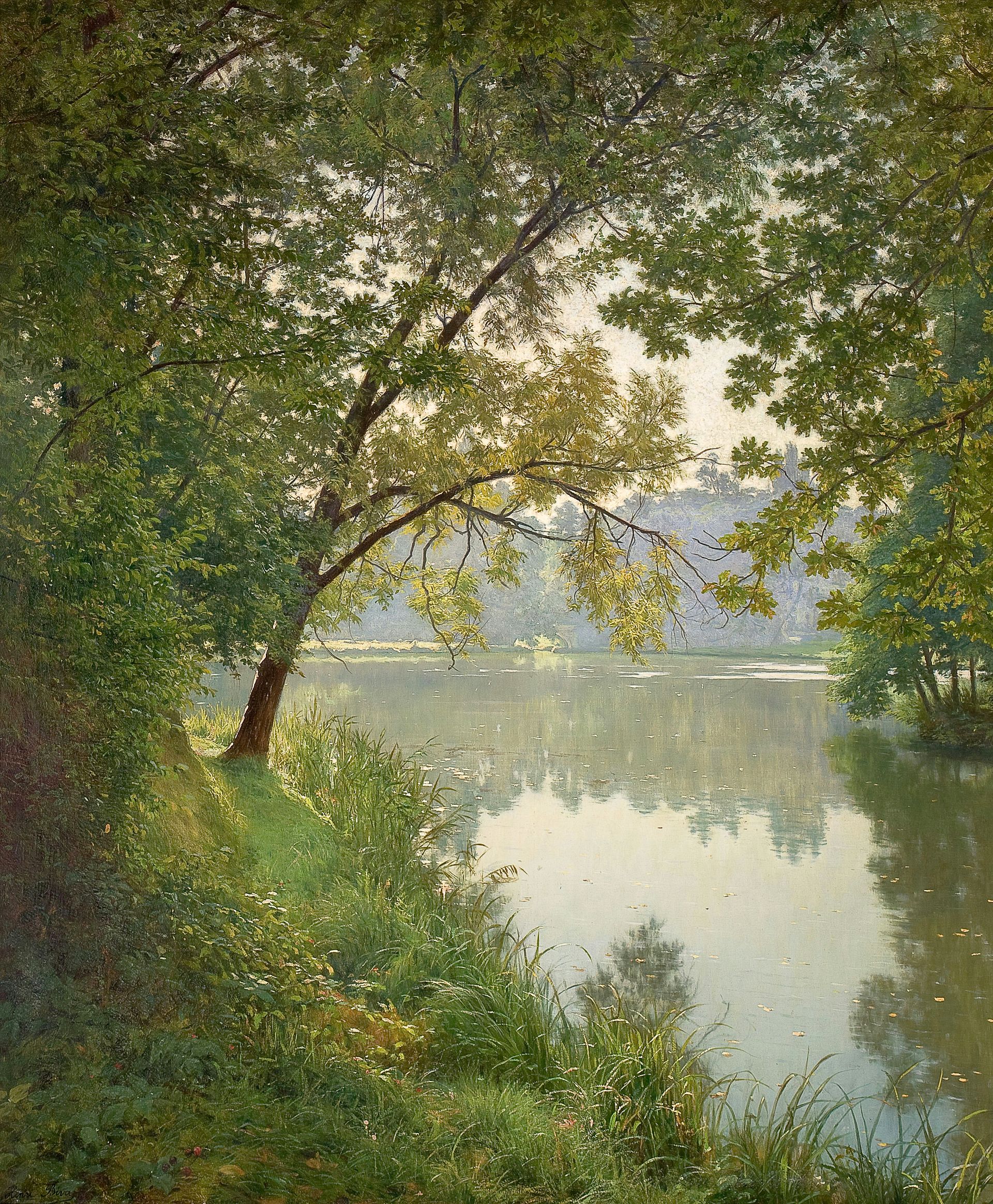
Approach to Editing - Philosophy

Hi. I have used a number of various software over the years, as I am sure many of us have. I remember back when digital cameras first started becoming available. People were scolding people for using software to edit images and saying things like your not a real photographer. The skill is in getting the image out of the chemical process, not changing some slider to increase saturation or exposure, blah, blah blah.

My thinking is the computer is just a tool.

So, what is your over arching approach to editing a photo, especially someone else photo? I think if its someone else photo we are more objective about what could and should be done with it.

Change the framing, change the exposure, change the color balance etc.
But from my filmmaking experience I do a correction first, then a grade.

The correction is to bring the entire photo into a space that someone that took the photo would say to themselves, YES that’s what my eyeballs saw at the time I too the photo.

The grade is how I would express an artistic variation to it in order to make a statement or emphasize something in the photo that might otherwise be overlooked, that I deemed worthy.

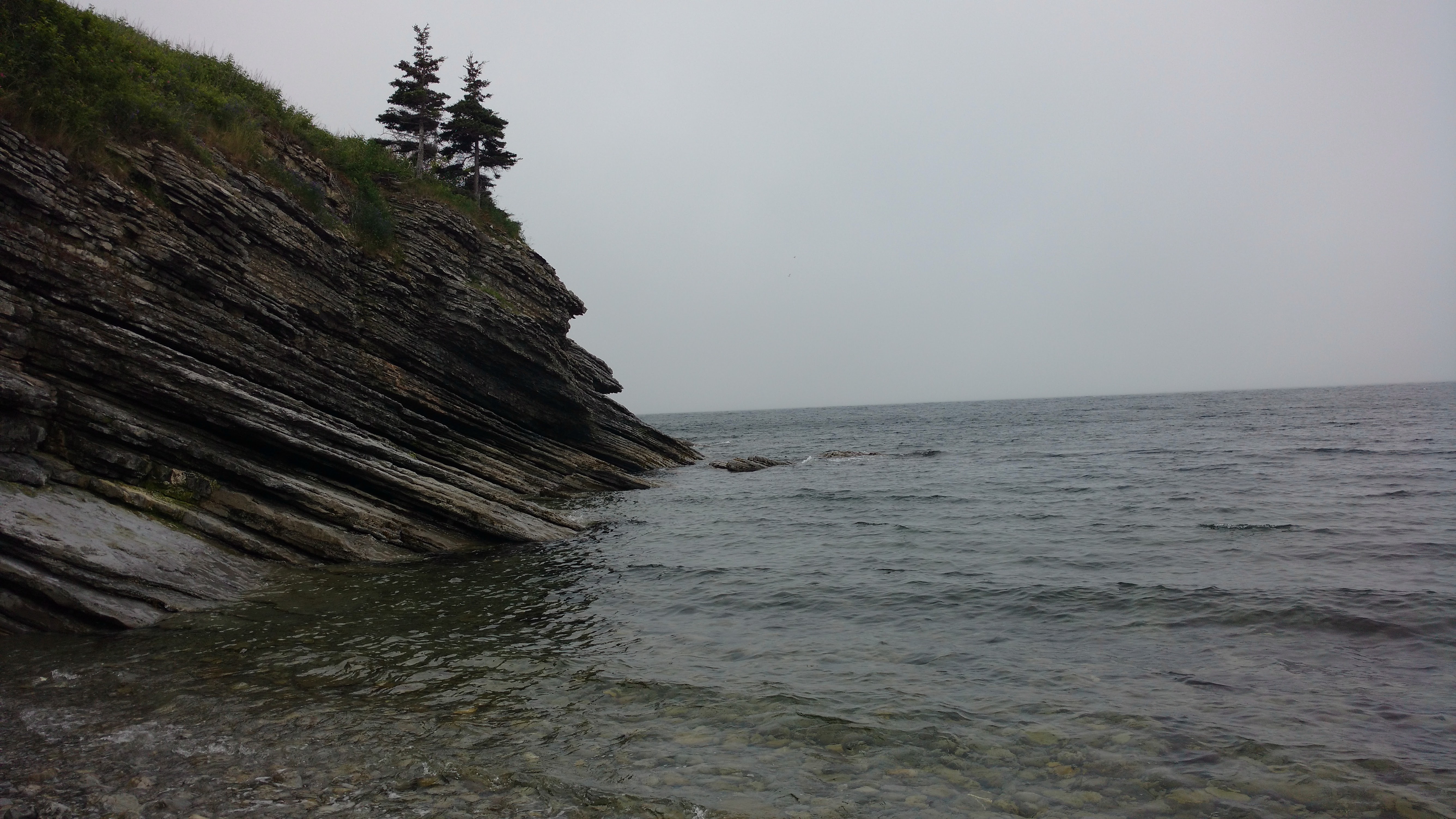
With my own photo I try to stick to that, but many times the photo is just a bad shot, out of spec for the image that should have been captured, only because I don’t spend alot of time obsessing over every parameter of the camera when I take the photo, or I was rushed and did not take my usual photo spec. I am not a professional photographer for sure. So in some cases the photo goes strait to what can I salvage and push to extremes and find a avant-guard artistic expression for it… hahah I will upload a couple examples in a reply. Also, I have photos going back to 2005 so yeah the quality of those are snap and shoots etc.

What’s your approach?
1 Like

I was thinking of starting a thread on this after seeing the discussion about HDR here: HDR exercise on urbanscape

Personally, when I’m editing a photo I took, my goal is to make it look like how I remember my eyes seeing it. 99% of the time I take photos to capture reality, not to change it into something else. But that’s my style.

If I remember being able to see in the shadows, then I’ll work to lower the global contrast without losing local contrast.

If I remember the contrast being so high that it is hard to see the shadows, I’ll make sure they stay black and the highlights stay sparkling bright.

If the colors weren’t insane, I won’t pump them up ā€œjust becauseā€. But if the blues and reds were SCREAMING at me I’ll make sure to edit it in a way that the colors pop.

…

In PlayRaws, my goal is usually to make something different than what existed before. Now, Filmulator is both a blessing and a curse for that, because it’s not really all that flexible a photo editor, but its own unique look makes it start out looking different.

But because I don’t have the reference point in my mind for what the scene looked like, I’ll try both reducing dynamic range and accentuating it to see what looks better.

…

In saying so, it makes me think: is my own memory of the scene stymieing my own editing creativity?

3 Likes

depends on the image.
For some images i have a very stylized concept and go for that directly often also for black and white while for most pictures i do basically the same, first getting a good baseline and then working from there.

2 Likes

Regarding baseline, same here. For me, that means demosaiced linear, with as-shot WB and matrix camera profile. My batch- to- proof script adds a tone curve, but i usually turn that off when reworking a proof rendition to get the linear starting point. I want to know what the camera captured as the point of departure, so i can minimize the ā€˜damage’ to make-pretty.

2 Likes

Here is an exercise that I have found helpful. You see a scene you want to photograph. Close your eyes. What is your mind remembering of the scene in front of you? What is it about the scene that attracts your attention or appeals to you. Then open your eyes and you will probably realize your memory or perception of the scene was selective or filtered. Now as a photographer your challenge is to capture the scene being more faithful to your memories and emotions than the reality of the scene.

I then try and achieve the image I want by manipulating the capture through choice of lens, shutter speed, aperture and of course composition and perspective of capture. But I do this with an understanding of the capabilities of the editing tools I will use to further manipulate the image into the image that I want to create.

Ansel Adams said, ā€œYou don’t take a photograph, you make itā€.

11 Likes

I don’t care much for trying to ā€œreproduce realityā€ when processing photos anymore.

IMO, and I realize that this is quite controversial here, with the way our visual cognition works (e.g. having depth perception, regulating brightness and colors depending on where you look, being able to move around and focus on different things to reveal or obscure detail as needed, etc.) this is a fool’s errand and sometimes even actively detrimental to your ability to properly perceive the resulting image.

For example, you might dehaze a landscape shot because your eyes were able to peek through the haze more than your camera, but then removing the haze and making the image more flat over all can mess up your ability to read the depth of the image. Or you might edit your image so that it reveals more detail in the shadows and the highlights just like your eyes would have perceived it when looking at those parts of the scene, but then the overall image feels unpleasantly busy. Or you might try to set up a color chart and match it, but then in hindsight the colors don’t feel like they did in the moment at all because we often remember colors very differently.

So instead I focus on some specific thing in the photo or a feeling that I want to evoke using the picture and process the image to focus on this particular thing. It’s not always clear to me how to get there at the start and I often have to try out lots of different things just to see what they do to my perception of the image, but that’s fine for me because I enjoy the process.

10 Likes

I think I share a similar outlook to @sqrooty @Terry @ggbutcher and others. Except I’m not as precise as Glenn regarding the camera matrix profile.

In general it is not possible to capture an image that is a true match to perception. Perception is complex and quite interesting. In addition, standard rgb camera sensors cannot capture a perfectly accurate light field in all of its spectral and spatial complexity.

But I don’t think that matters very much, at least not to me. I wish to recreate the feeling and general impression of an image with both the capture and the edit.

I start my edits with an exposure adjustment and usually use the camera’s auto-WB setting unless it’s not satisfactory to me (I’m a fan of the modern Color Calibration module for chromatic adaptation).

I have some default presets I use for color and contrast. Then I look at the image and decide what needs emphasis or de-emphasis, and I work on that. That’s usually enough for me.

2 Likes

I first try and connect myself back to the feeling that made me want to make the photo in the first place, then I try and adjust the photo in a way that reinforces what I want the viewer to feel. Often what I feel when I made the photo and what I want the viewer to feel are similar things.

From a technical perspective, I first try and edit to create a technically sound image: put the midtones where I want them, and usually stretch the highlights and shadows to add contrast. Then I edit for the feels.

7 Likes

I think I work in three phases: prep, correct, infuse.

Prep

The purpose of this step is to properly see what you are working with.
Set exposure, and white balance to reasonable things (not necessarily to be accurate to the original scene but simply believable). This may be done with the forethought of what I want to do during the infuse stage: maybe slight underexpose if I am wanting a moodier edit, or warmer if I want to excentuate the warmth of the moment, etc.

Correct

The purpose of this step is to refine what you are working with into what you want to be working with.
Rotate, crop, fix blown out highlights or crushed shadow details, maybe remove blemishes or distracting elements.

Infuse

I would argue that no one wants a perfectly objective image of a scene at some point in time. The very act of capturing an image is deciding on a POV, and the capture parameters: raw exposure, focal length, shutter speed, etc.

So to me, I think a photo editor/developers job is to try and infuse the final image with whatever they think the capture failed to, in regards to what they feel could be/should be conveyed in the image. What is the idea, concept, or intent behind the objective realities of the image data? What memory were you trying to capture. Example: a picture of your child is not necessarily meant to capture just an accurate representation of that specific human in that moment, but rather it might be an attempt to capture the love you feel from behind the viewfinder, the ache in your heart of knowing that one day they might move to another town, or the desire to capture the intangible feeling of watching them do something for the first time.

Now, this doesn’t mean that you have to do crazy editing to some how capture the intangible using color and tone, but to me it means that I try and think about those feelings and what I wish I could convey as I edit the image. Sometimes what I want to express is simply fun, or beauty, or majesty, but even those are concepts that far exceed what a single photo could truly capture.

This isn’t just about lovely, happy, or melancholy feelings. It extends to trying to infuse images with a sense of quality or reliability when doing product photography, or the feeling or artisanship or excitement when photographing craftspeople or musicians.

Play Raws

I think the infuse step really stays the same, even for Play Raws. Yes, the purpose may be to show off a certain technique, but generally when I participate in playraws, it’s because I have a feeling when I see the image, and I want to reinforce that feeling and see it come to fruition by going through the PCI process. It’s like needing to yawn when you see someone else yawn.

2 Likes

I hear you. Interesting idea. For me I never think to much. I let the inspiration hit and rather than analyze it I usually grab and click. And funny enough photos that were mistakes sometimes turn out to be my favorite in post.

Mind you I only really have the one lens and generally take street/landscape photos.

Yeah, all reality is subjective.

If its my photo, what I mean is to try and get to a place where the photo is properly exposed and color accurate.

But yeah there’s always the stuff that never occurred to us when we took the photo that can show up and at that point I try to make the most of it in an appealing way for me.

But trying to arrange someone else’s photo is a different thought process for me. What did they try to capture, what was the feeling, what time of day and quality of light did they have and did they make the most of it? All these things is a different set of things to have fun with.

Yeah for sure. I agree in all that. Currently I am just starting with Darktable and so I need to get a feel for the controls. I am used to Davinci Resolve for film. I saw they also now have a Photos tab, which is funny, cause I was using DR for photos for a long time before, since I already know the controls and the masking abilities inside and out.

1 Like

Here’s an example of an iphone foto from 2015/16 I took.

I did not have a dedicated camera at this time.
And so the idea of have RAW is such a luxury, but I took this and went for a more haunting feel.


4 Likes

Out of curiosity, what do ā€œproper exposureā€ and ā€œcolor accuracyā€ refer to here? Is it something related to how you want the image to look, something related to how you remember the scene you were in when you took the photo, or something related to colorimetry w.r.t. the scene (e.g. some kind of per-pixel measurement, not something you eye-ball)?

1 Like

I think everything is subjective. I have spent enough time doing color correction in filmmaking to know that there are people who live and die, by the scopes and others just use their eyeball. Both are happy as long as they don;t look at the other person’s version LOL

3 Likes

I treat photo editing like painting. The software is my palette, and I mix colour. Though my style is not extreme enough for it to ever look unnatural, if the scene can be enhanced by doing something unnatural, I will. I see this as no different in philosophy to shooting with a filter or selecting a different film stock.

6 Likes

The definite answer is: It depends.

My approach to image processing depends on what category of photo we are talking about – is it some kind of documentary aspect to it, or is it rather art and/or propaganda where we want to achieve an effect with the beholders?

Basically, I finally got rid of my decades long, misunderstood ā€œpuristā€ attitude towards pictures (-- formed by my early years using slide film where ā€œthings was set and done in the cameraā€ …).

Several years of studies in cognitive psychology have taught me how malleable our vision and our memory is – as they are creative processes of interpretation (and not something we are equipped with for the main purpose of establishing records of anything) – and I have also understood much more of all the various decisions by others in how photographic technology is designed to work.

So basically I feel free to use and mangle the image data as I feel is fit for the purpose – whatever it may be for each image – but within the limits that may follow from formal or informal restrictions if there is a more or less dominant aspect of documentation involved.

As for editing process, my main focus is on the composition and what is included and what is prominent in catching attention, and what isn’t. Any grading beyond that is just icing on the cake and seldom means much to beholders. For my own view of a picture – and just for the fun of it – I may still spend some time on it.

5 Likes

Most photos, I just want to get them into a usable shape quickly. So I balance exposure, recover highlights or shadows (or crush them intentionally), adjust contrast, and apply one of my Fuji-derived color looks. Once the photo looks balanced, I move on. It’s rare that I spend more than half a minute on a photo.

I don’t have much of a visual memory, so making the photo look like the real scene is a tenuous proposition at the best of times. Usually I don’t even try, and instead try to capture the emotion of the scene, and work with what I see on the screen.

Very often, I see the beauty in the scene only when looking at the photo on the computer. It is a constant process of learning for me to recognize and anticipate scenes that look good in photos.

I also learned that I’m not much drawn to classic landscape subjects like mountainscapes or sunsets. It is instead the human subject that interests me. This sometimes puts me at odds with my audience, who don’t see the beauty in a shot I particularly like. But such is life, I don’t mind.

Lately, I’ve been noticing that my photos gravitate to a particular look that is very recognizable. I don’t enjoy that, it seems to indicate that I’m in a rut. Perhaps it’s time to try some other tools again, to clear my palate.

4 Likes

Sometimes, it is the same for me and I see the beauty of the scene only when looking on the computer, and sometimes, I see a beautiful scene and my photo of it becomes mute and empty.

Many persons give the advice that one should have a target in mind when starting to edit, but often enough, I don’t… and when I have an idea or concept, I lack sometimes the knowledge how to achieve the look that I want. That’s also why I enjoy play_raw so much as it shows me a) some ideas how the photo could look like and b) how to get there.

The perfect example is a play_raw that I posted recently. You see in my first post that I was rather clueless. I wanted a good looking picture, but it was dark and flat. Then I posted it and people came up with beautiful edits and colourful skies.

2 Likes

Lately I have been spending a lot of time looking at paintings.

I mean, how the hell would you approach this sort of a high contrast scene as a digital photo… Made me rethink the need for a true black point, our eyes can just see so much. You would need to become an expert in HDR :smiley:

10 Likes