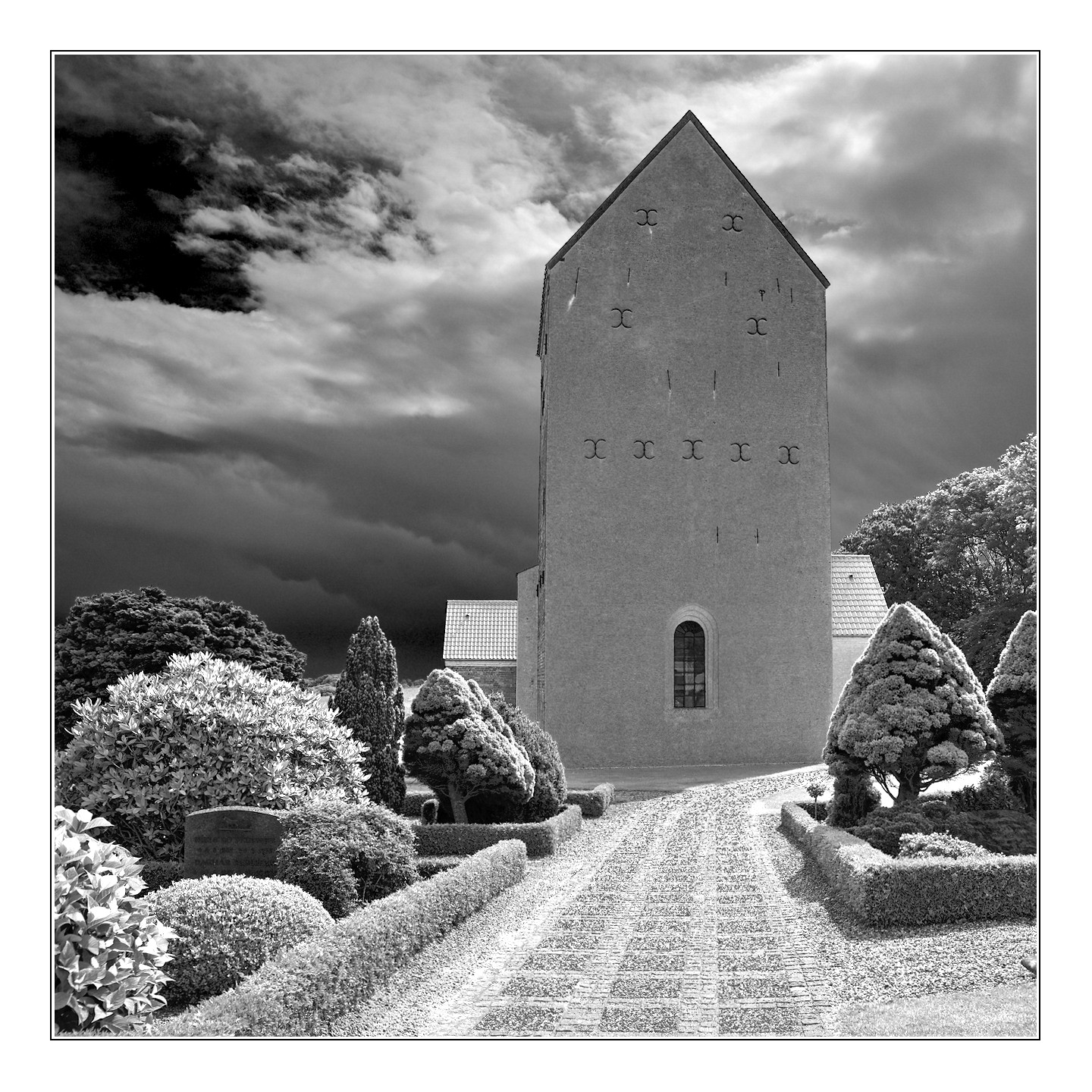
Well I’m a drama queen, so I’m not surprised. 
1 Like
2 Likes
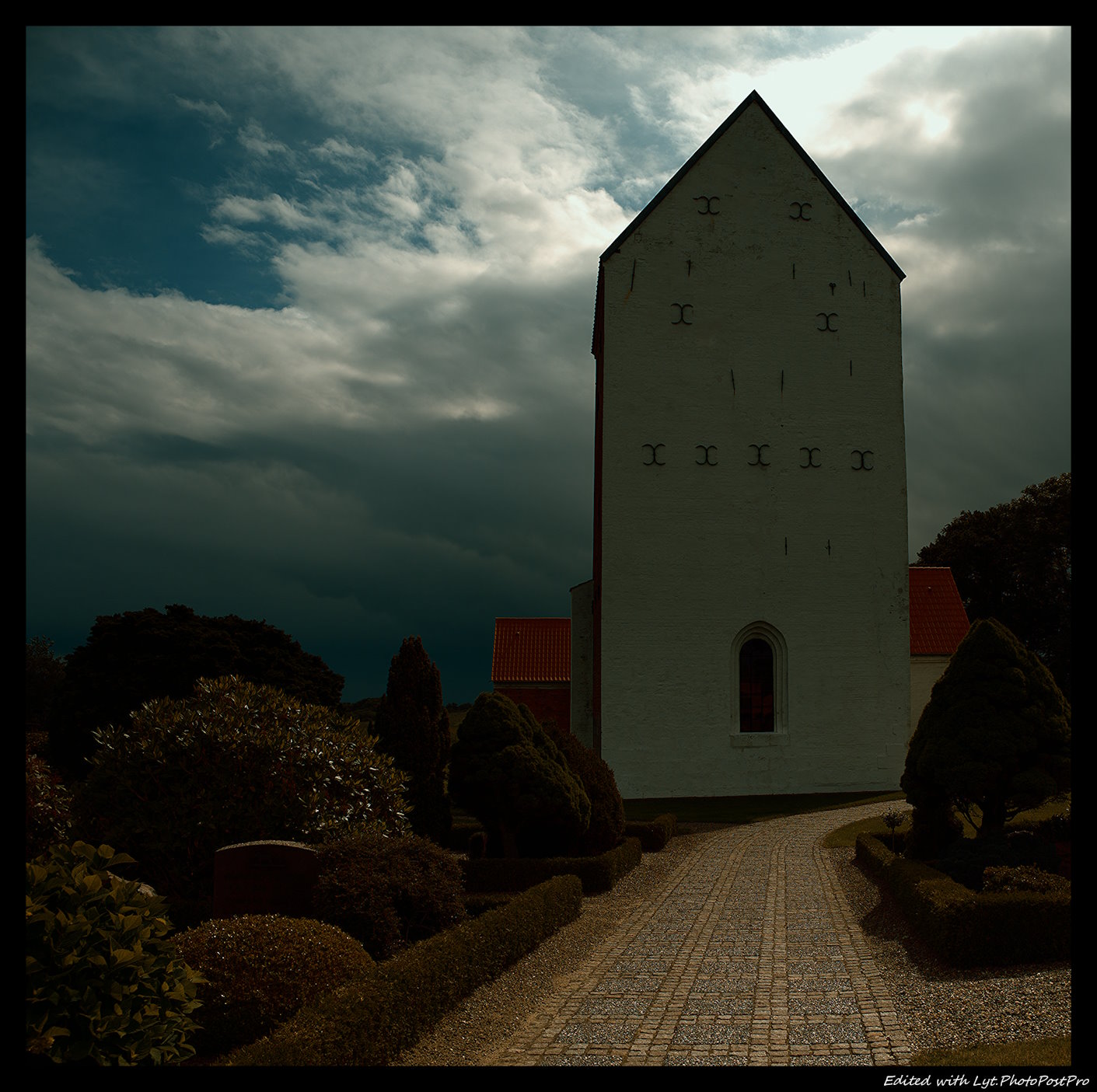
Beautiful!
@LaurentFromSF what are we supposed to make of this?
4 Likes
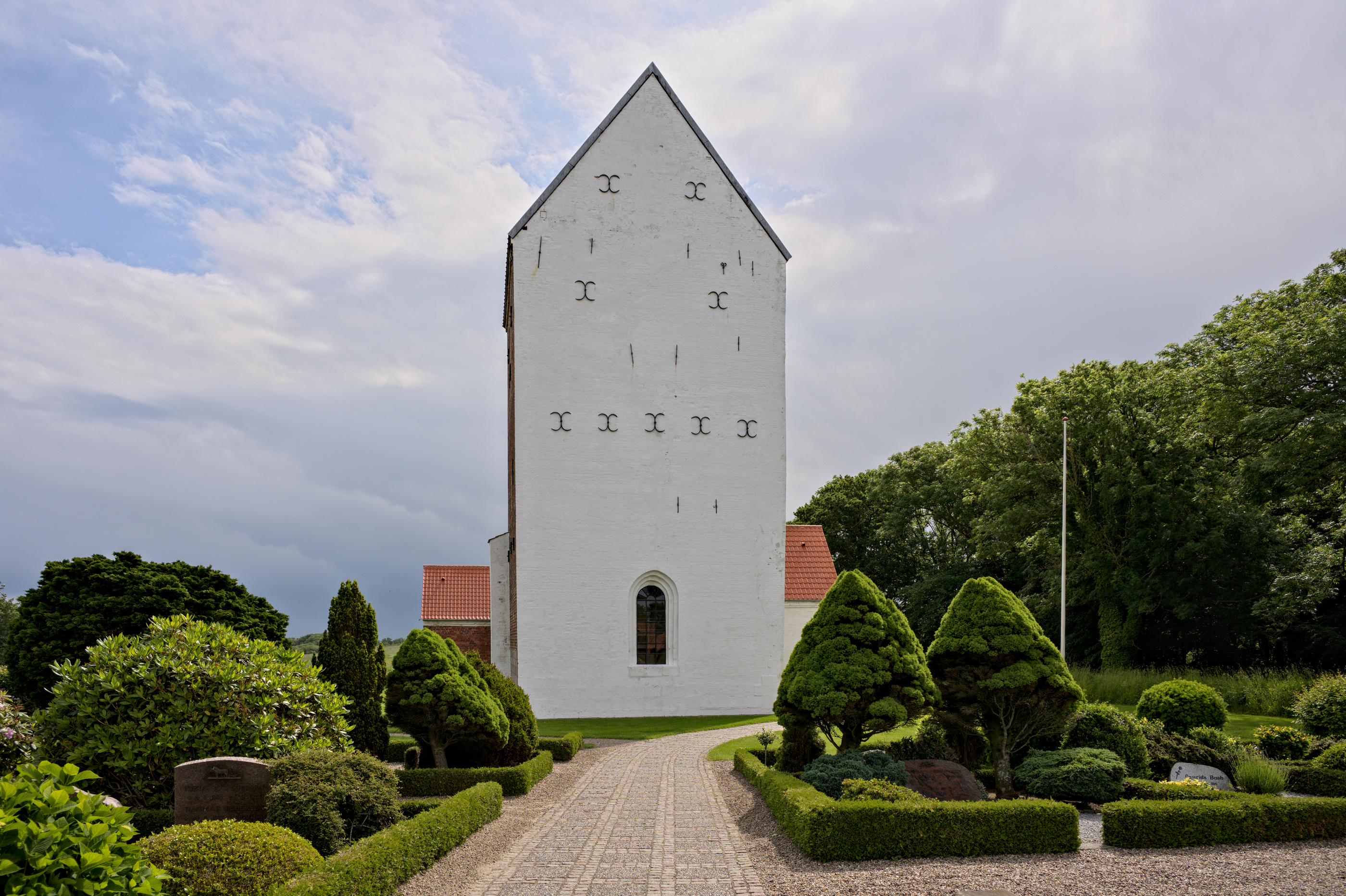
We would expect nothing less from you. It is what I like about your edits in general.
3 Likes
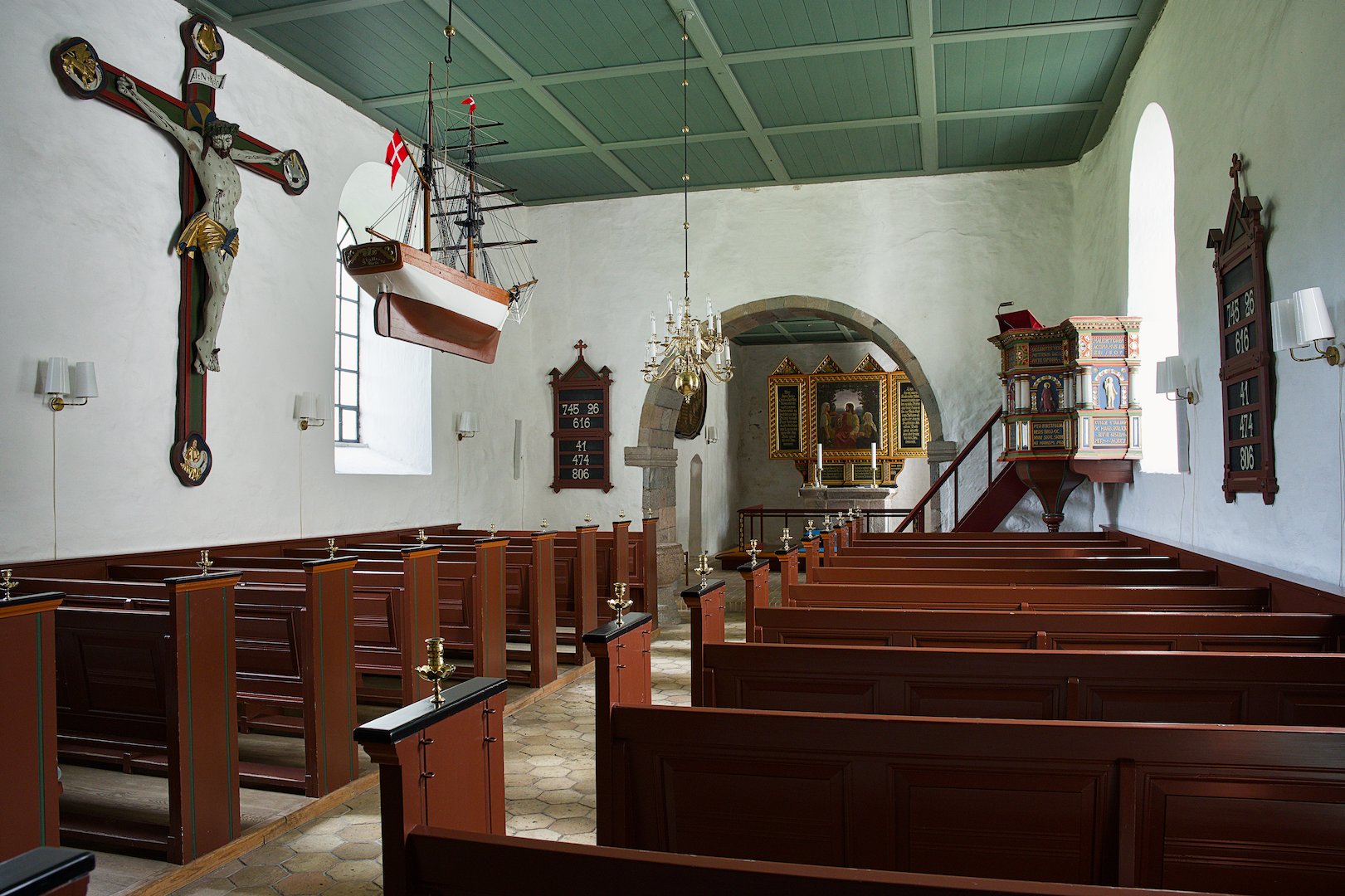

Inspirational edit as always; thanks for sharing your ideas.
I am interested in why you chose to use both the color equalizer and color zones modules.
Could you give us a pointer to you reasoning?
Many thanks.
There are less technical reasons. It’s more a matter of how I work. I load my pictures with different modules preset. I use Colour equalizer as a base. It handles colours a bit different and as well the masking.
But on top I use at the moment always colour zones, because it is so much more flexible. It let me place my nodes individually It allows me to move them even in a way that this leads to quite harsh transitions. On a more conservative edit this is maybe not wanted.
But if you like to play with colours this exactly is something which sometimes is wanted and needed.
At that time Colour equalizer gets as flexible I will solely use that as colour handling itself is better. But for know it’s for me just there to lay a base.
Hope this answers your question.
2 Likes
Got it.
Yes that fully answers the question. Thankyou.
I have often wondered why node placement can effectively only be done once per instance of the color equalizer module. It leads to the need for multiple instances of the module being needed.
I will have to investigate the color zones module properly now…
I would love to hear you elaborate a bit more on this…
Color are my very weak spot so I’m trying to get more aware about possibilities, tools and the way colors ‘work’.
This brings me to my weak spot. I’m no mathematician nor a colour scientist.
So I think there are people who are suited better to elaborate in deep.
One of the differences is quite obvious one of the modules is display one scene referred so if you go to the extremes colour zones has more the tendency to get unwanted behaviour like clipping.
Regarding the masking you have the possibility in colour equalizer to use guided filters and therefore influence the way transitions are handled. You don’t have this possibility to that extent on colour zones.
But if you use colour zones in a careful way there are so much more possibilities. This is not only because of the flexibility with the nodes. This is as well because you can alter the colours by brightness and by chromacity, which is sometimes extremely useful.
2 Likes
Thanks Uli for explaining, I’m slowly learning (it the age)…
I’ll have to return to the manual once more 
Kind regards, Jetze
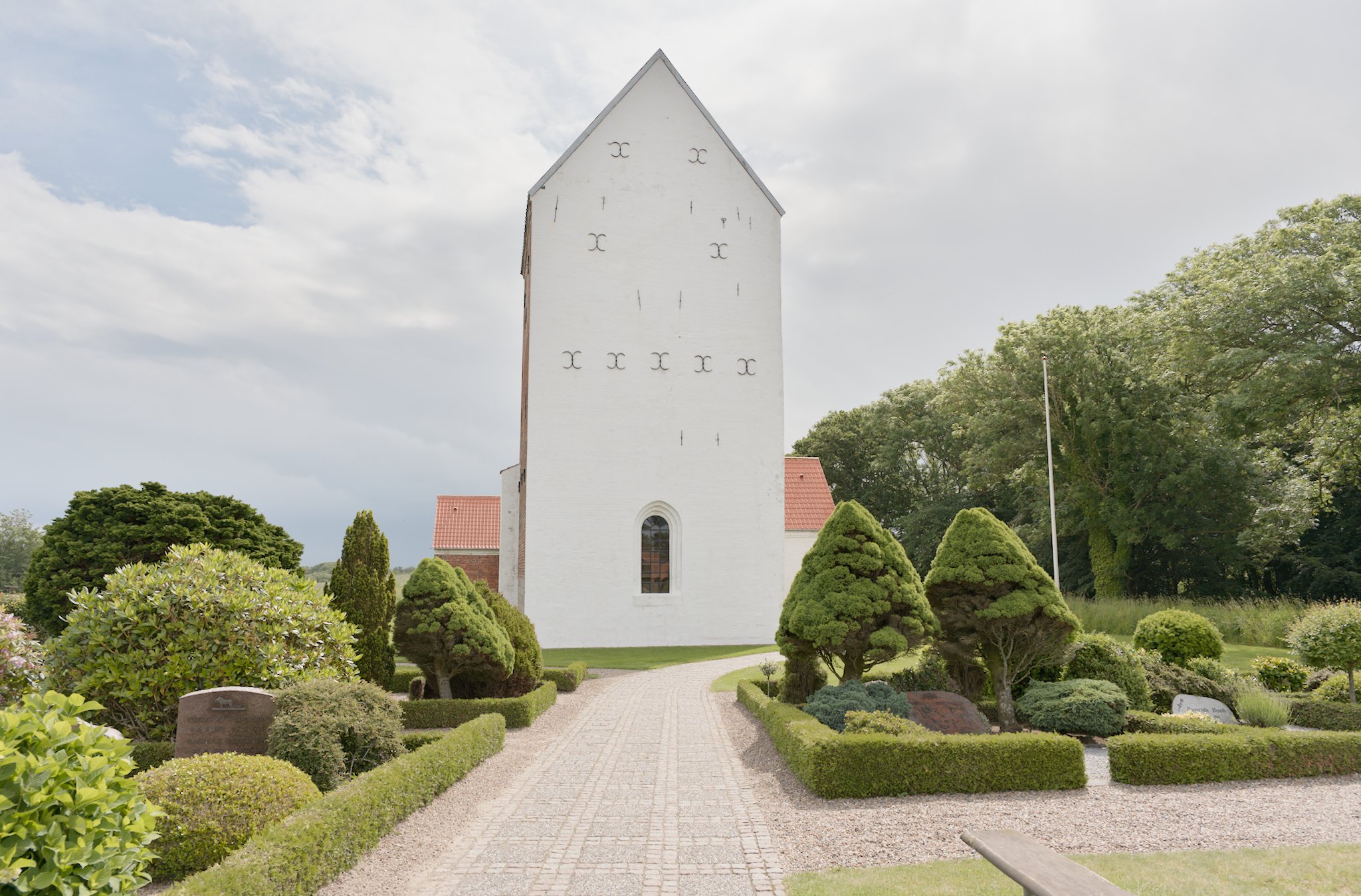
1 Like
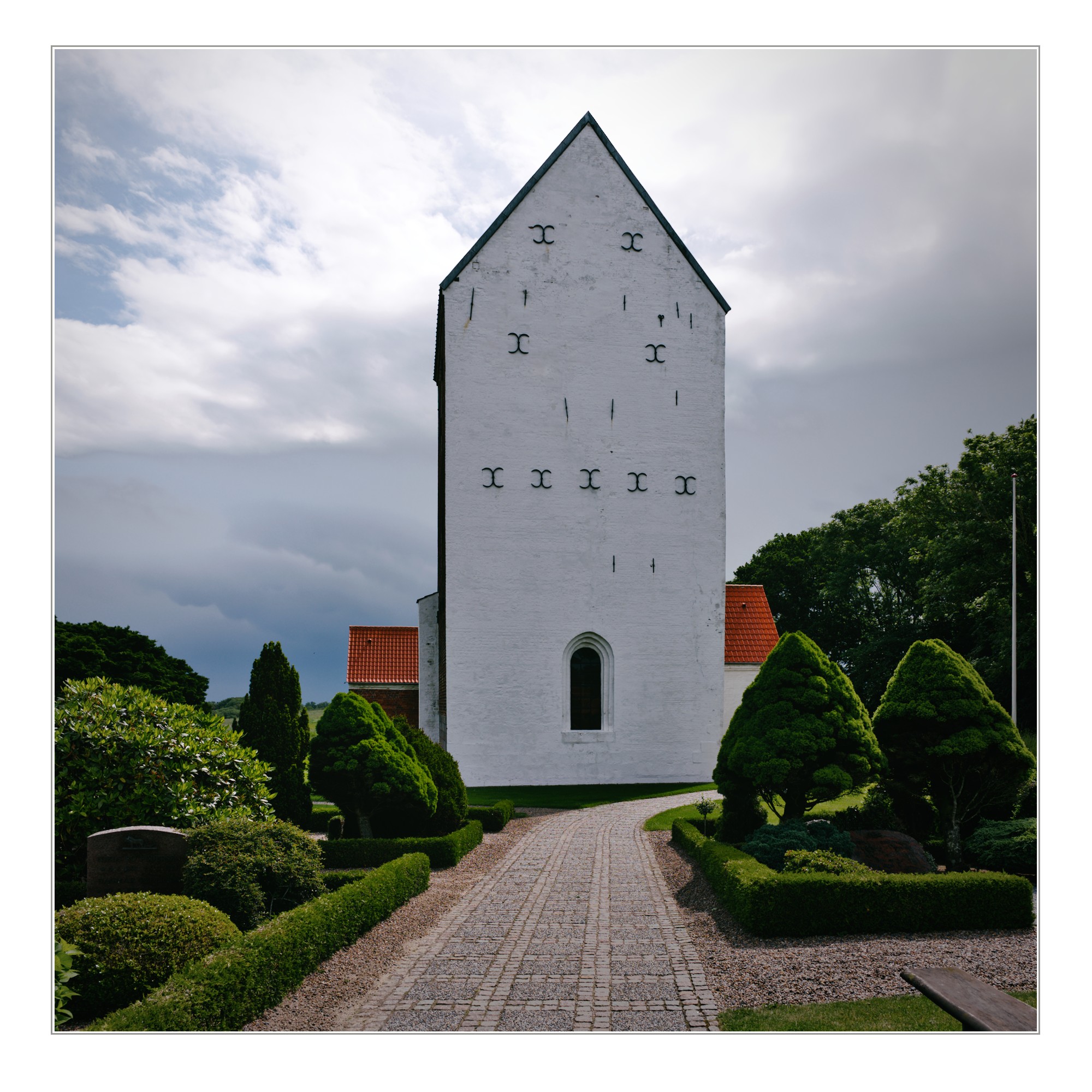
3 Likes
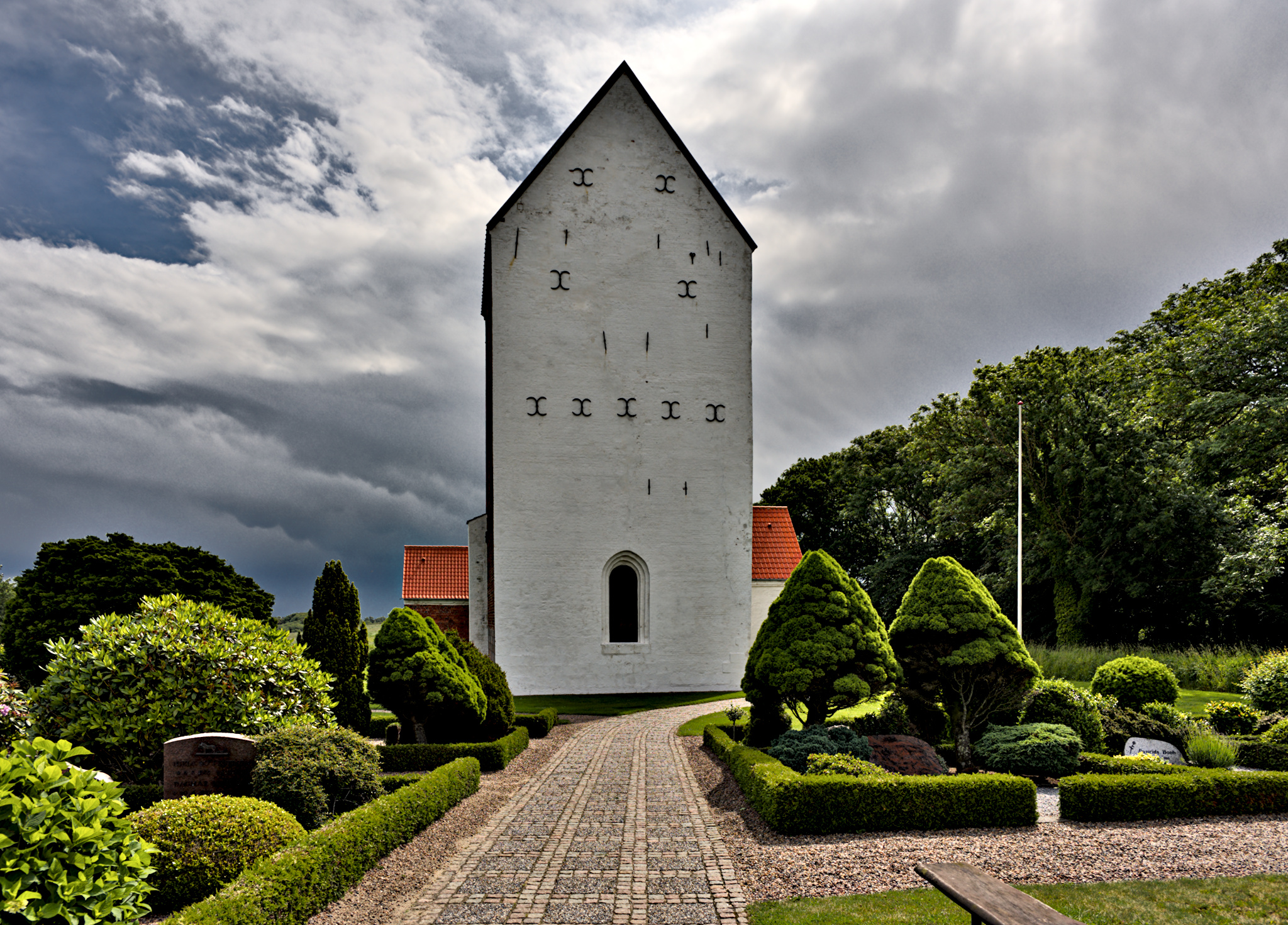
2 Likes