i am following up to this question and decided to make some comparisons. the goal is to stop a moment and evaluate the recent evolution in the “taming” of the filming stage.
this will be helpful to the sister discussion and development happening in the spektrafilm tech thread with @hanatos.
short summary:
hanatos2025alg gives a spectra from an RGB input. it was designed to give zero errors for the human vision (standard observer)- film sensitivities can be a bit broader than the human vision, both uv and ir side (portra 400 is one of the broadest), plus they have different shapes
- we noticed early on that reds and blues suffered, and we added an ir and uv filter to the camera after
hanatos2025upsampling. it was eyeballed to have nice reds - recently i tried to optimize a generic window filter per stock aiming to minimize error on real measured spectra
- more recently i tried to optimize a generic 2d exposure correction per stock (chromaticity → RGB log exposure correction)
the 2d correction is very alpha and possibly not the final solution. skin tones are still problematic, and left intentionally uncorrected here by the surface. they have peculiar reflectance spectra with a nasty dip at 550-570 nm in the green-red range, and they need care (stay tuned, more on this will come soon).
for now let’s just look at some photos and don’t get mad at me if the differences are tiny. the “feel” is made by the compounding of a lot of small things aligning together, both in life and in film simulations. 
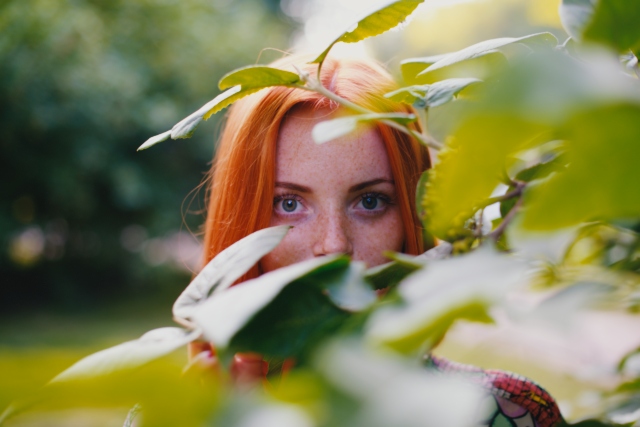
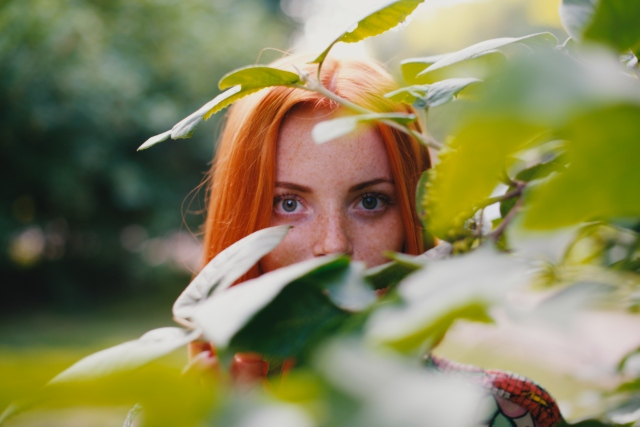
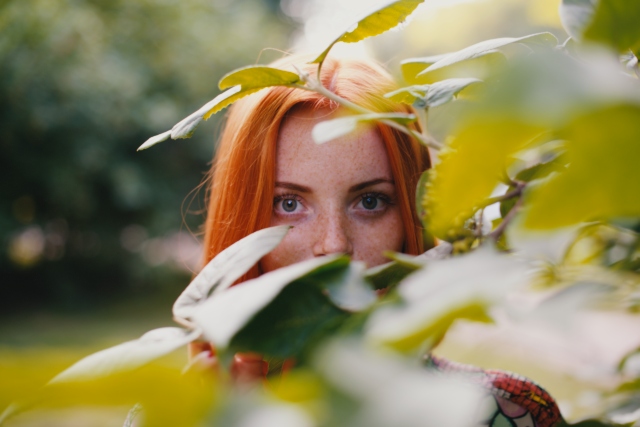
the following series of images are as follow:
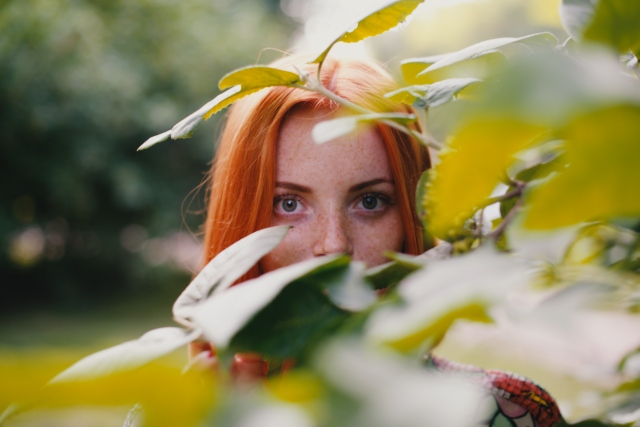
001 - pure hanatos2025 alg
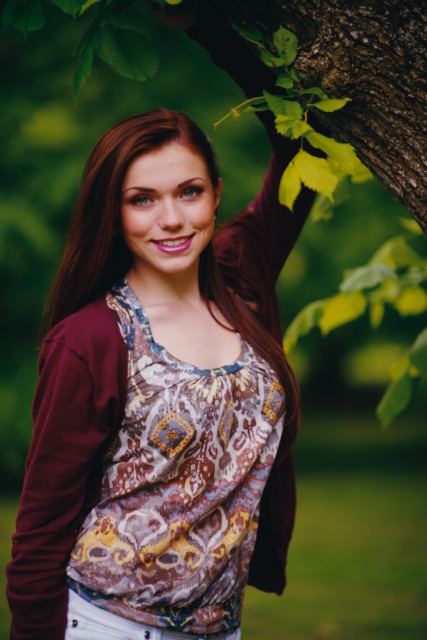
002 - hanatos2025 + eyeballed uv and ir filters
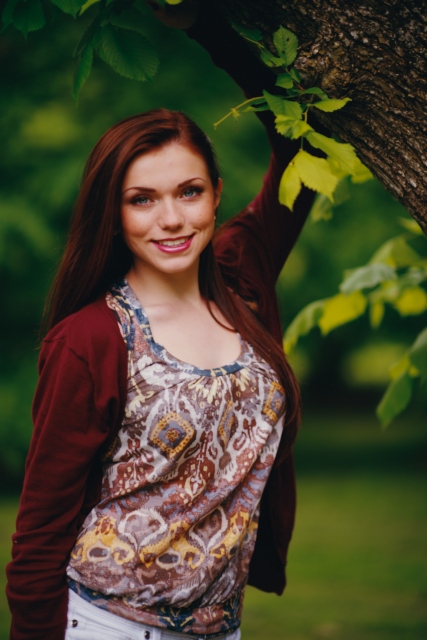
003 - optimized window filter per stock
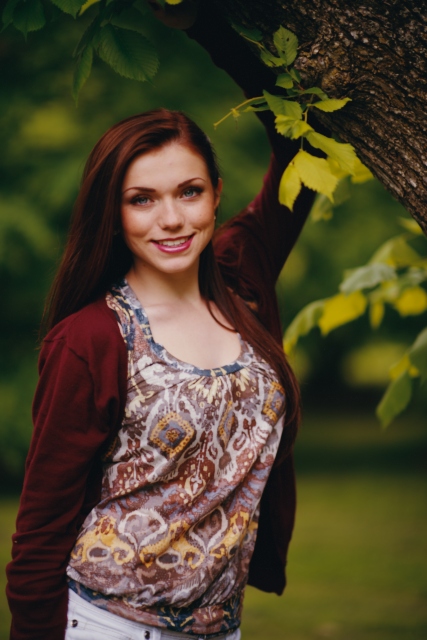
004 - optimized 2d surface per stock (it is expected to make skin tones cooler, approx -0.15ev red +0.1ev blue, we’ll find a solution for this…)
all four-image groups shares the same white point, because the correction operations were designed to not affect white. which means that if for example reds of an image looks too magenta, print filters can fix that, but only the expense of ruining white and all the other correct colors.
all parameters are the same. all on portra 400 and supra endura or fuji crystal archive.
try to focus on reds, skin tones, and blues.
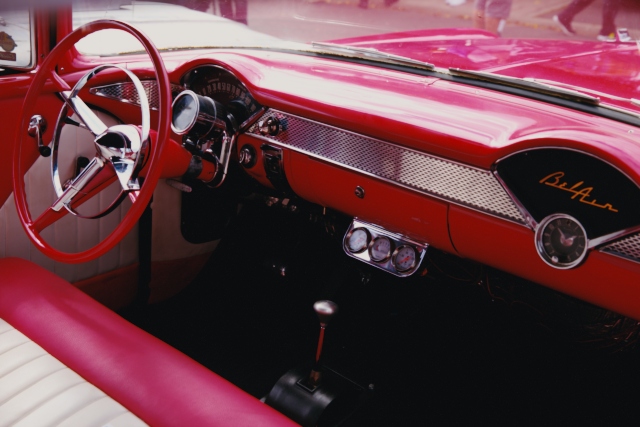
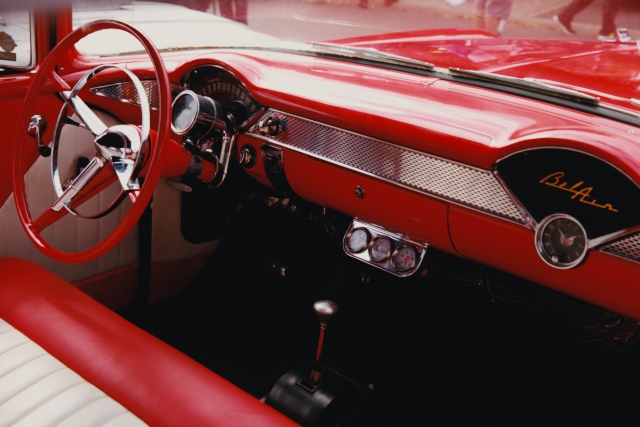
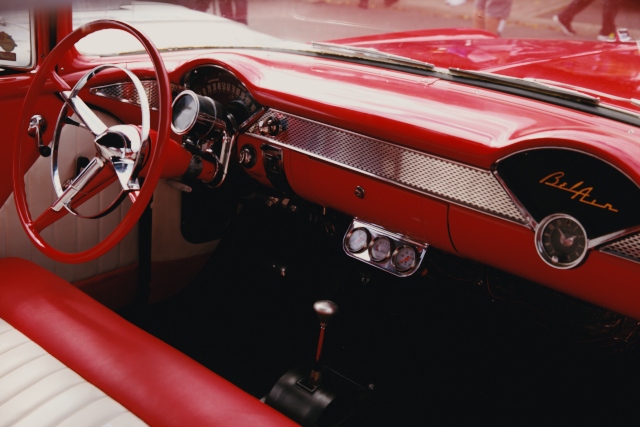
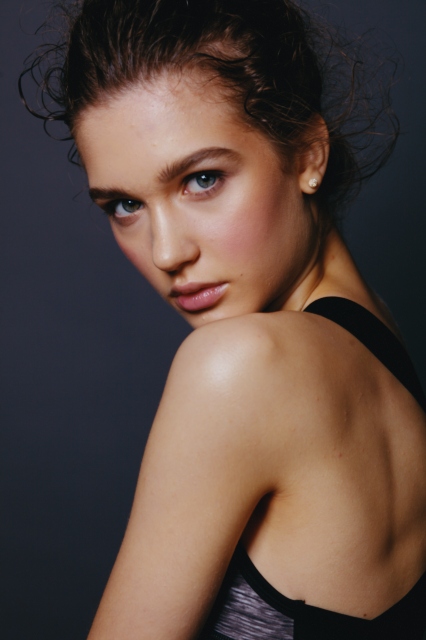
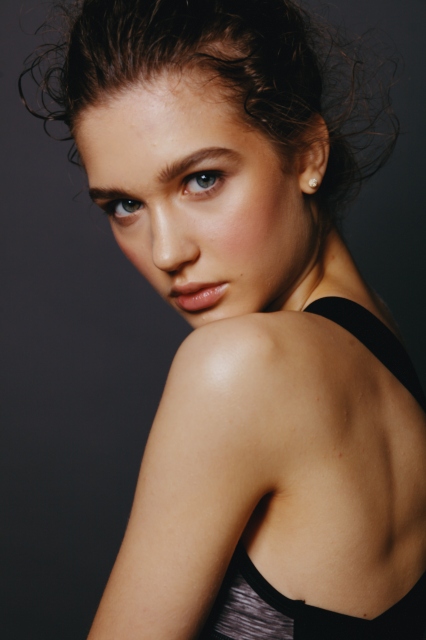
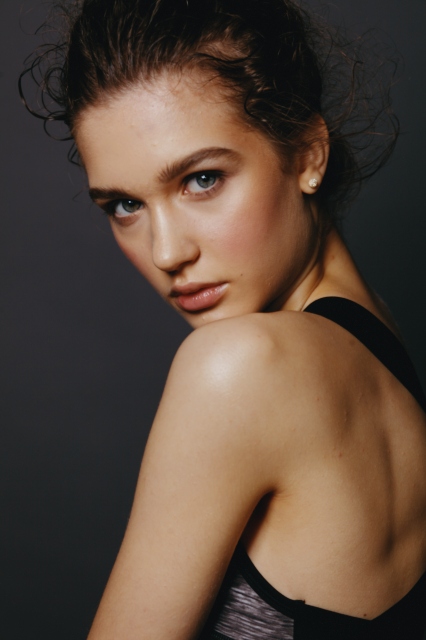
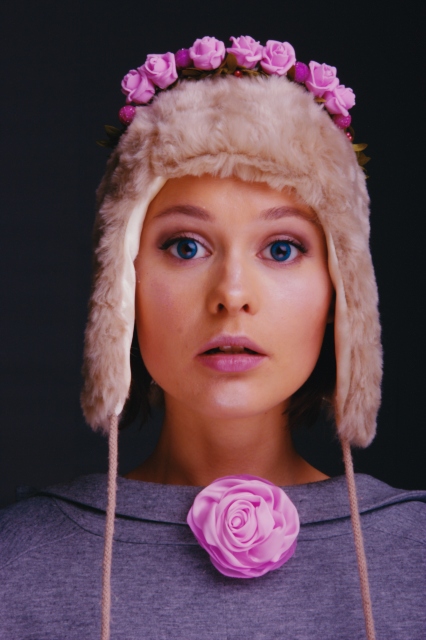
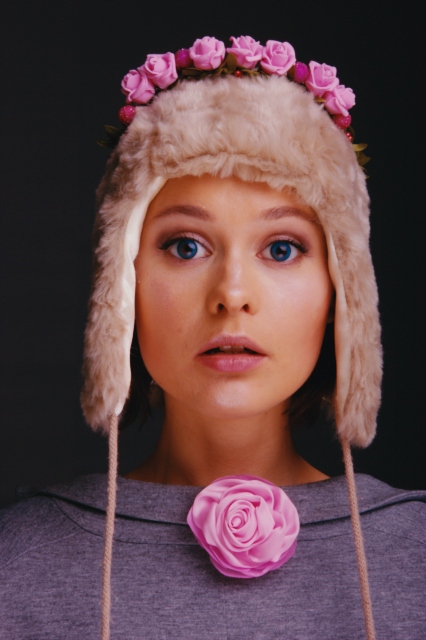
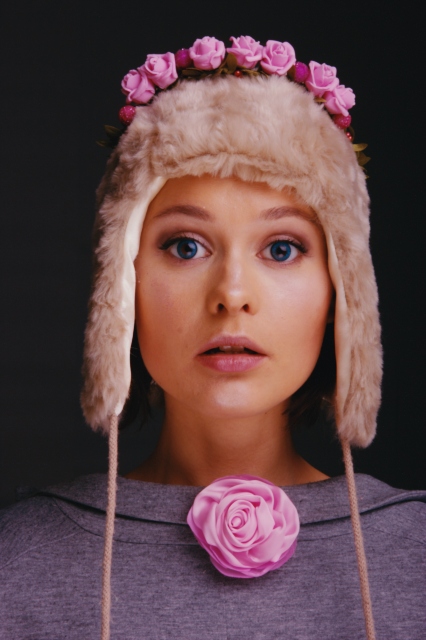
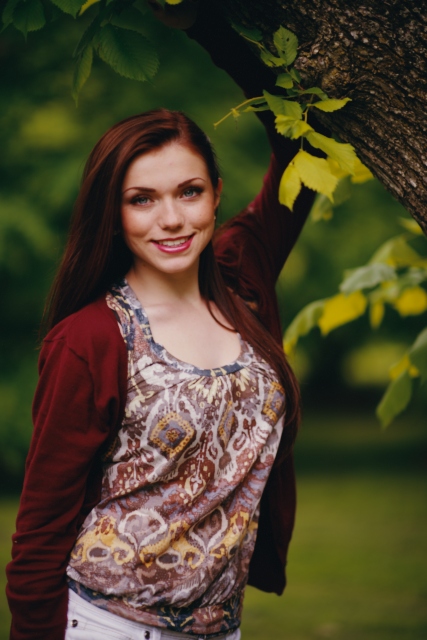
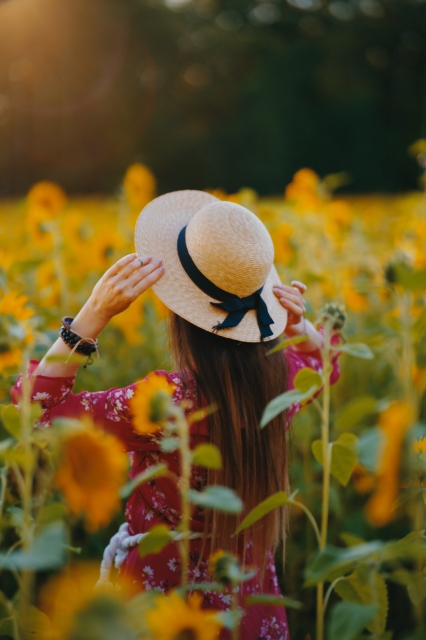
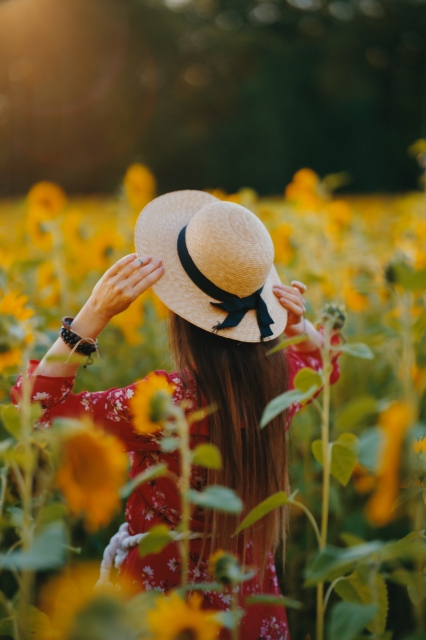
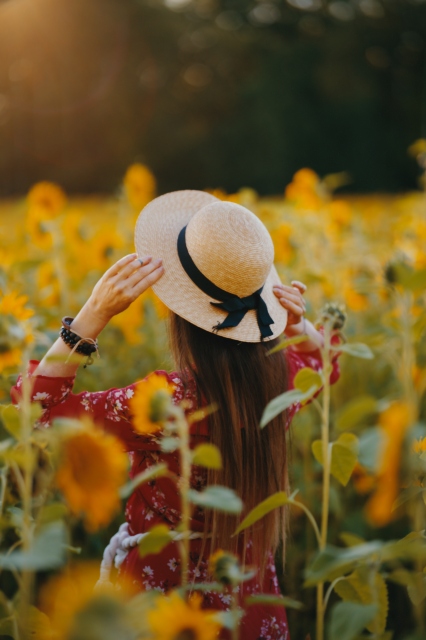
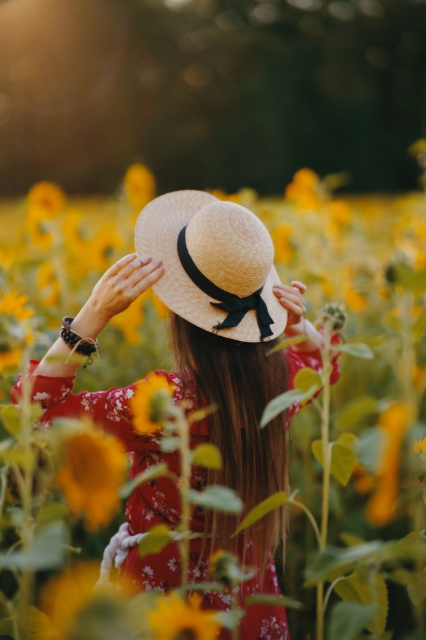
a few comments (opinions too, do not take it as science):
- unfiltered
hanatos2025has the most saturation because the uv and ir tails increase channel separation. when we had it unfiltered at the very beginning, the couplers were also lower. each correction 001–>002–>003–>004 tamed the saturations of the overshooting colors, but also added saturation to the undersaturated ones (less flashy and goes a bit unnoticed). - couplers were steadily increased over time thanks to the taming of the overshooting saturation. at the very beginning with just
hanatos2025we could not afford a big amount of inter-image effects because the image would break quite quickly. now we have more headroom because the colors are more balanced in saturation. - this is not a matter of color preference, but more to try to go after what are the most accurate colors. color preferences can be added on top (saturation, color shifts etc). to be verified is the fact that a more “correct” simulation should give better skin tones.
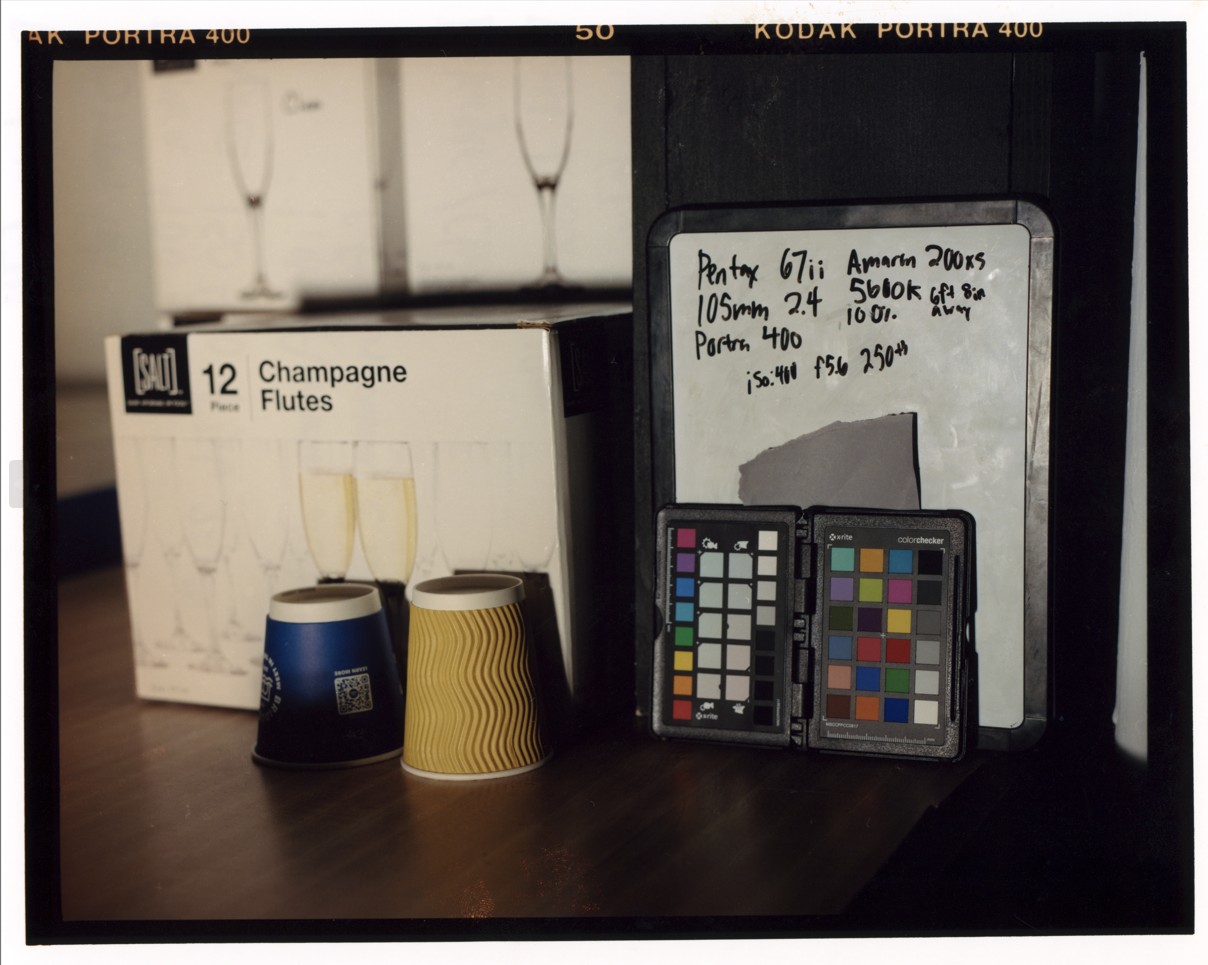
finally also the image from @Anthonygansauer. i didn’t spend a lot of efforts to try to match the scan, but i will try again when the filming alg will settle. you can notice the colors that are mainly changing in the target.
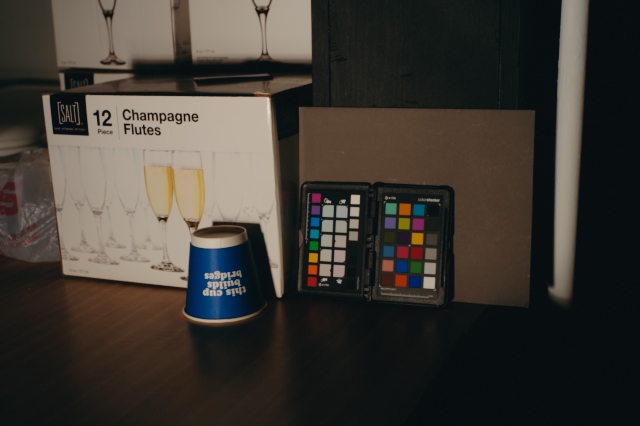
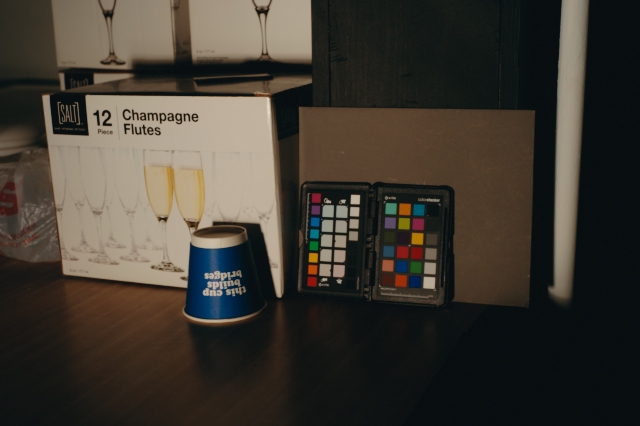
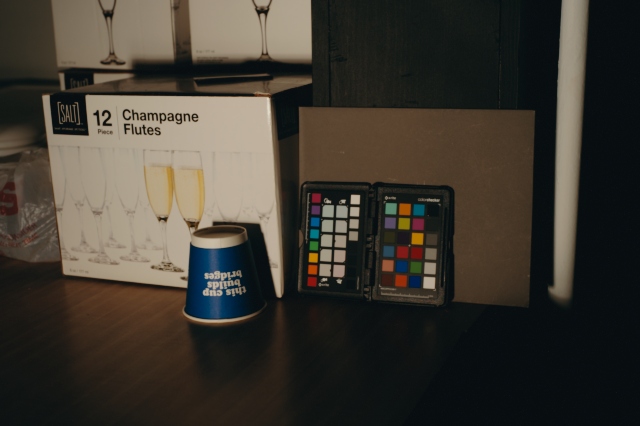
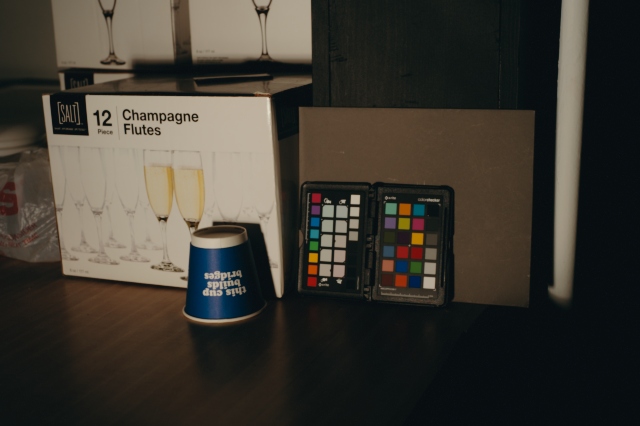
and the reference ra-4 printed