(post deleted by author)
Thank you for the heads up and for the kind words.
1 Like
I could work on making them available for spektrafilm. I’ll need to look at the data first. Very cool!
You want to make them work with Spektrafilm? I could also try to help you with that, you could contribute them to @piratenpanda site or self host them.
1 Like
It would be cool to have a catalog where users can rate stocks, comment, write about their experience, upload pictures of real stock. A community effort to improve the simulation and provide guidance among the many options.
1 Like
I’m more focused on the OFX side of things. Every medium is compatible with the plugin I created and can be browsed, ingested and edited from a dedicated app.
The resulting json files should be compliant with the stills-focused apps. Every medium (film and print) have been traced from publicly available vector and raster PDFs with the help of Claude. Most of them have been validated and checked visually but there might be some noisy, peaky or missplaced curves.
On the color pipeline side of things, I wasn’t happy with the current spectral upsamplers so I created my own based on advanced color charts I shot on film. I plugged the entire color pipeline into Claude and the resulting upsampler measures and looks better than the current ones.
I’m planning on publishing everything to GitHub. All of this was created with the help of Claude.
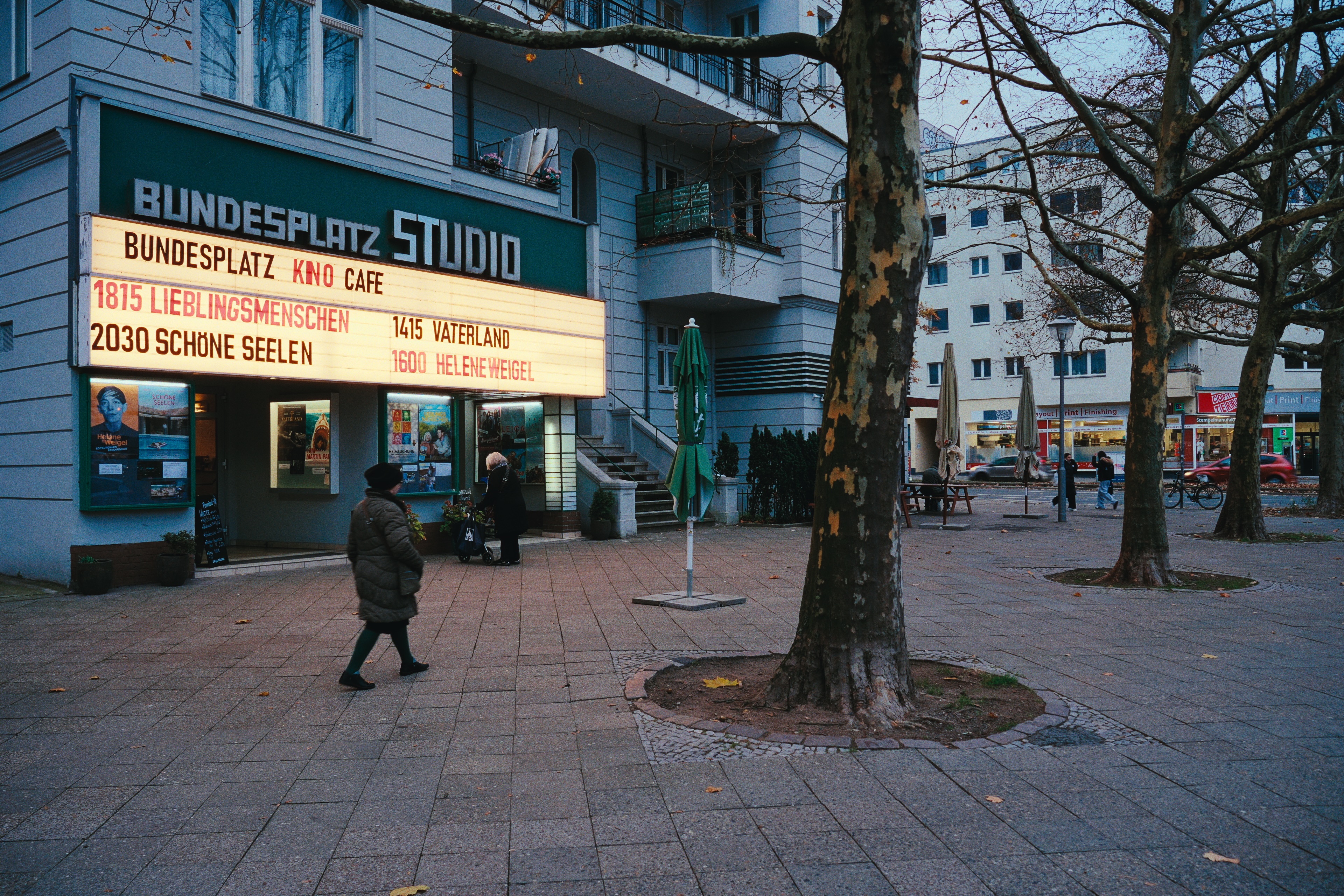
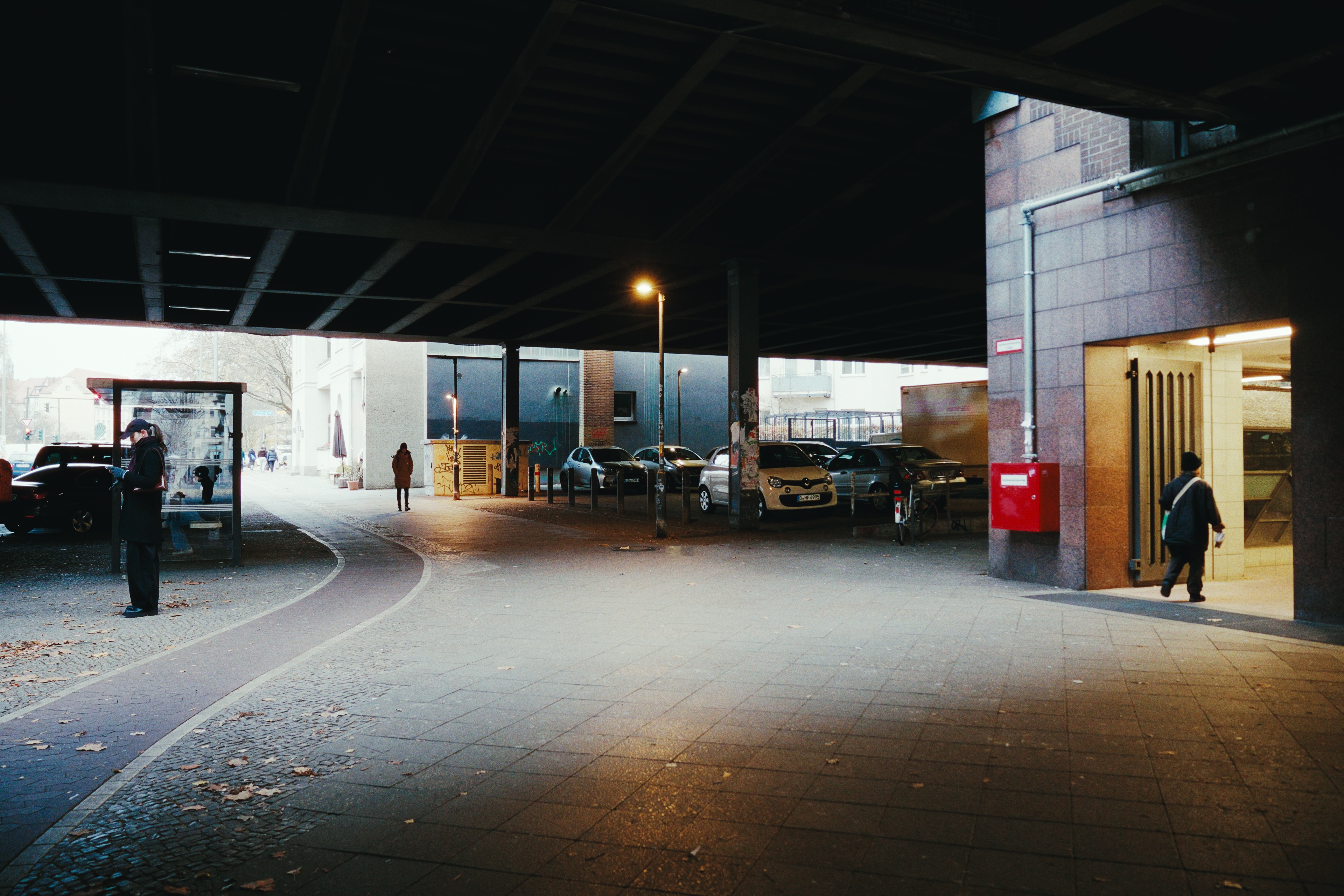
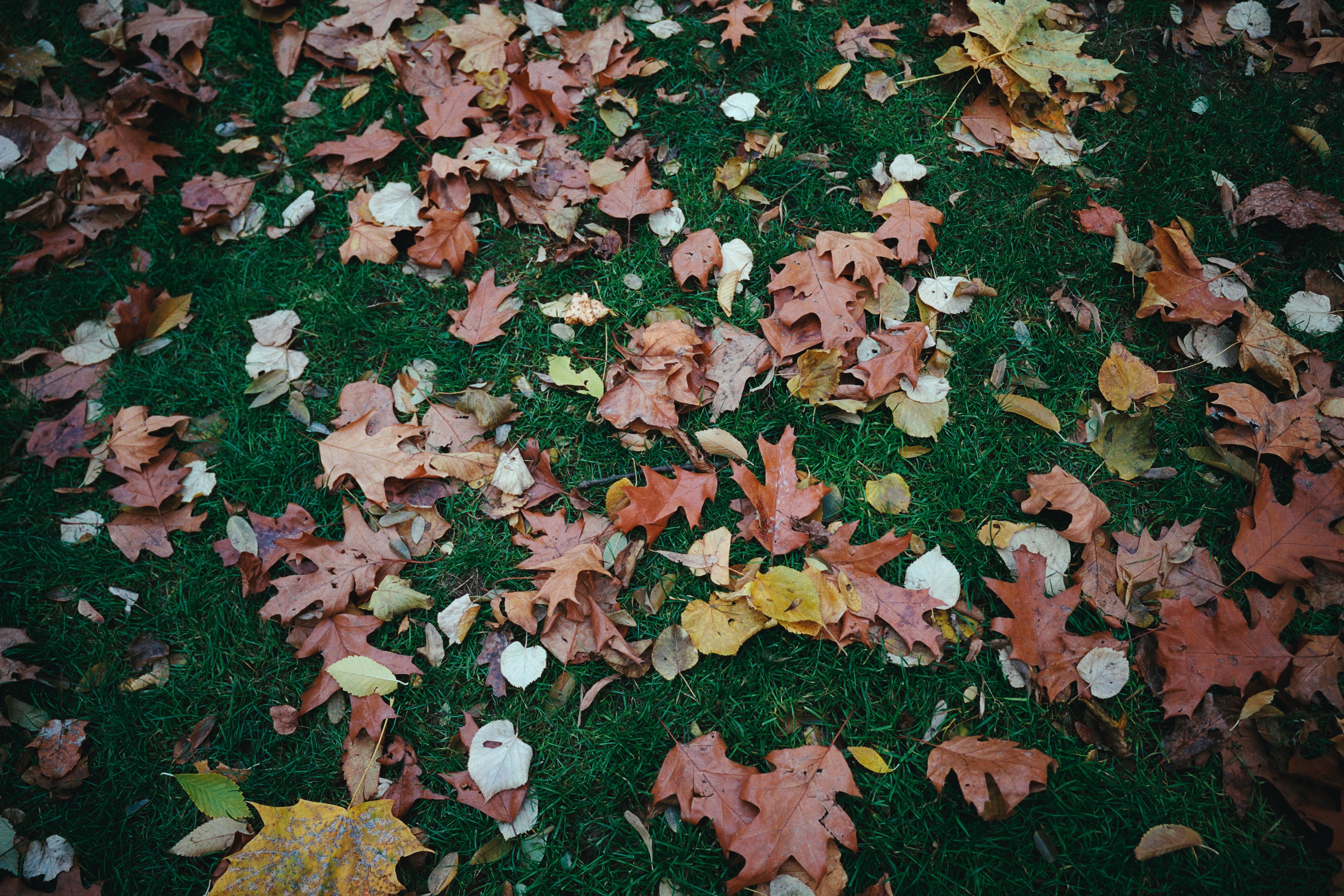
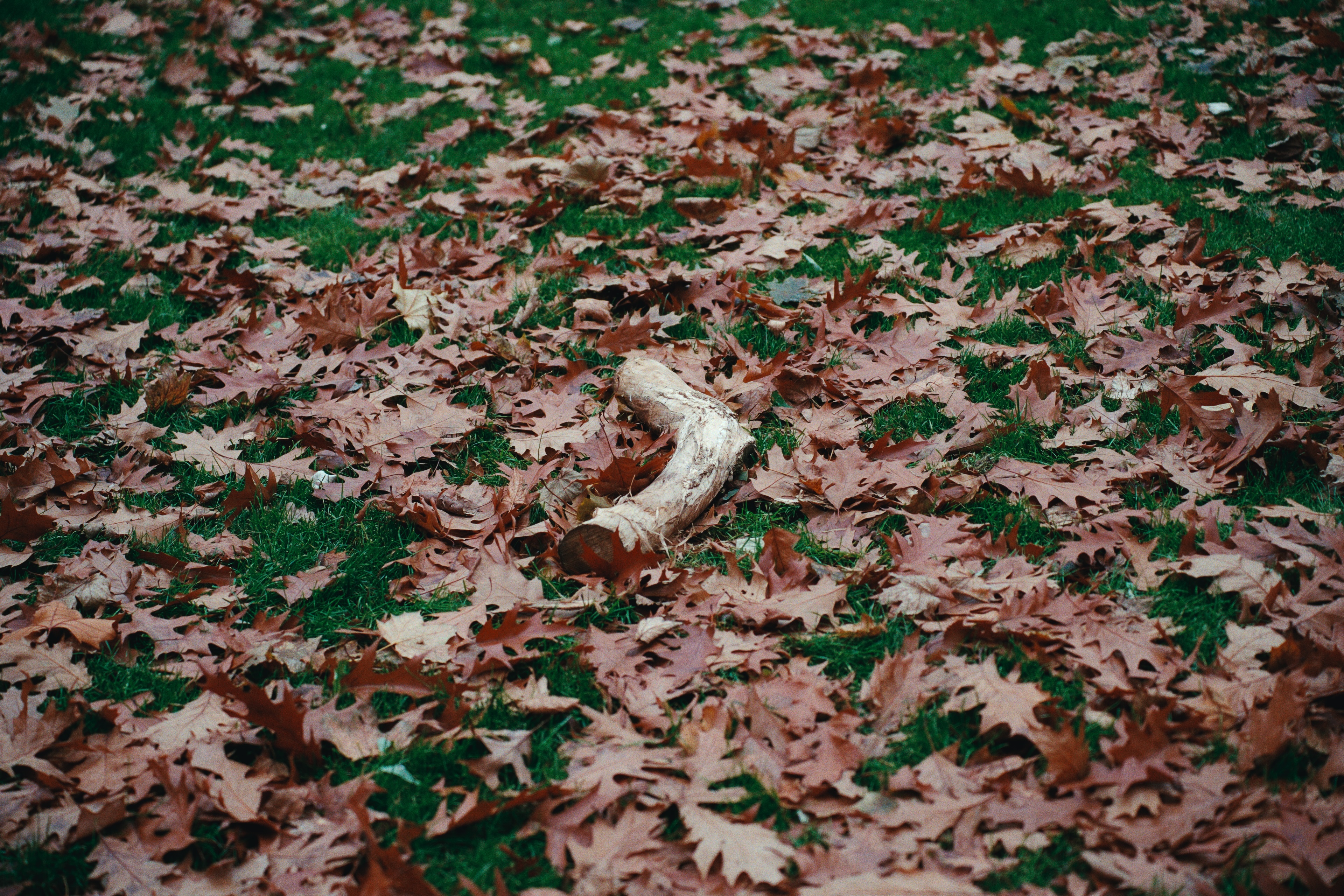
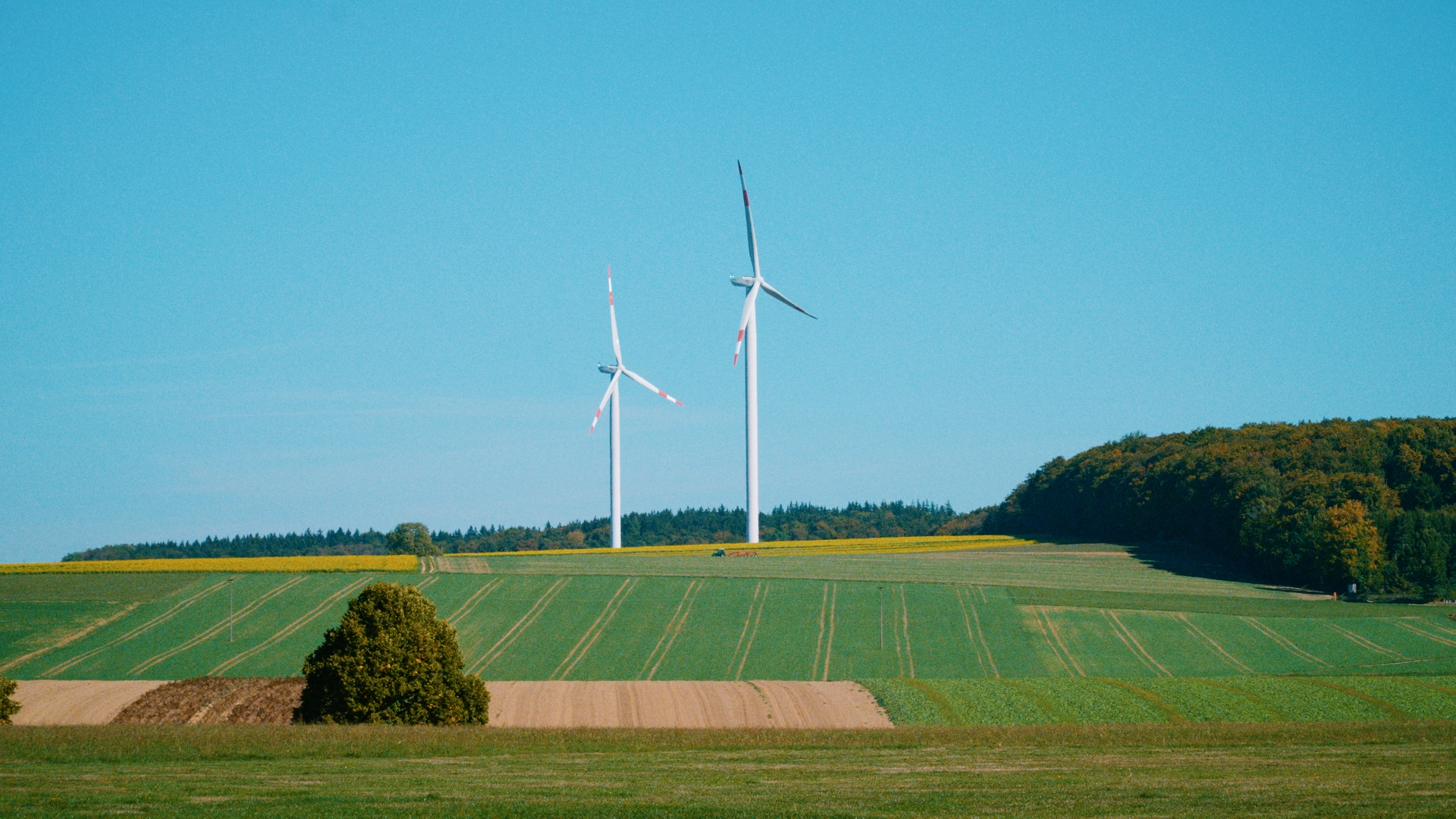
Here are some video stills from my A7IV recording 5.7K open gate with Konica-Minolta neg emulation applied.
6 Likes
Oh no. 
The OFX plugin development happens on a discord channel, this forum is oriented on the photo side of things. Andrea has been off this forum for some time now
Anyway, I would love to see the upsampler. I have never been 100% satisfied with the ones that were “shipped” throughout the history of spektrafilms development, I always landed on some strange color skews, though I found out that the issues are less pronounced when not using a print paper (and using negadoctor to invert the faux negatives).
3 Likes
 I’ll be contributing to the medium database side of things around here and OFX stuff on Discord.
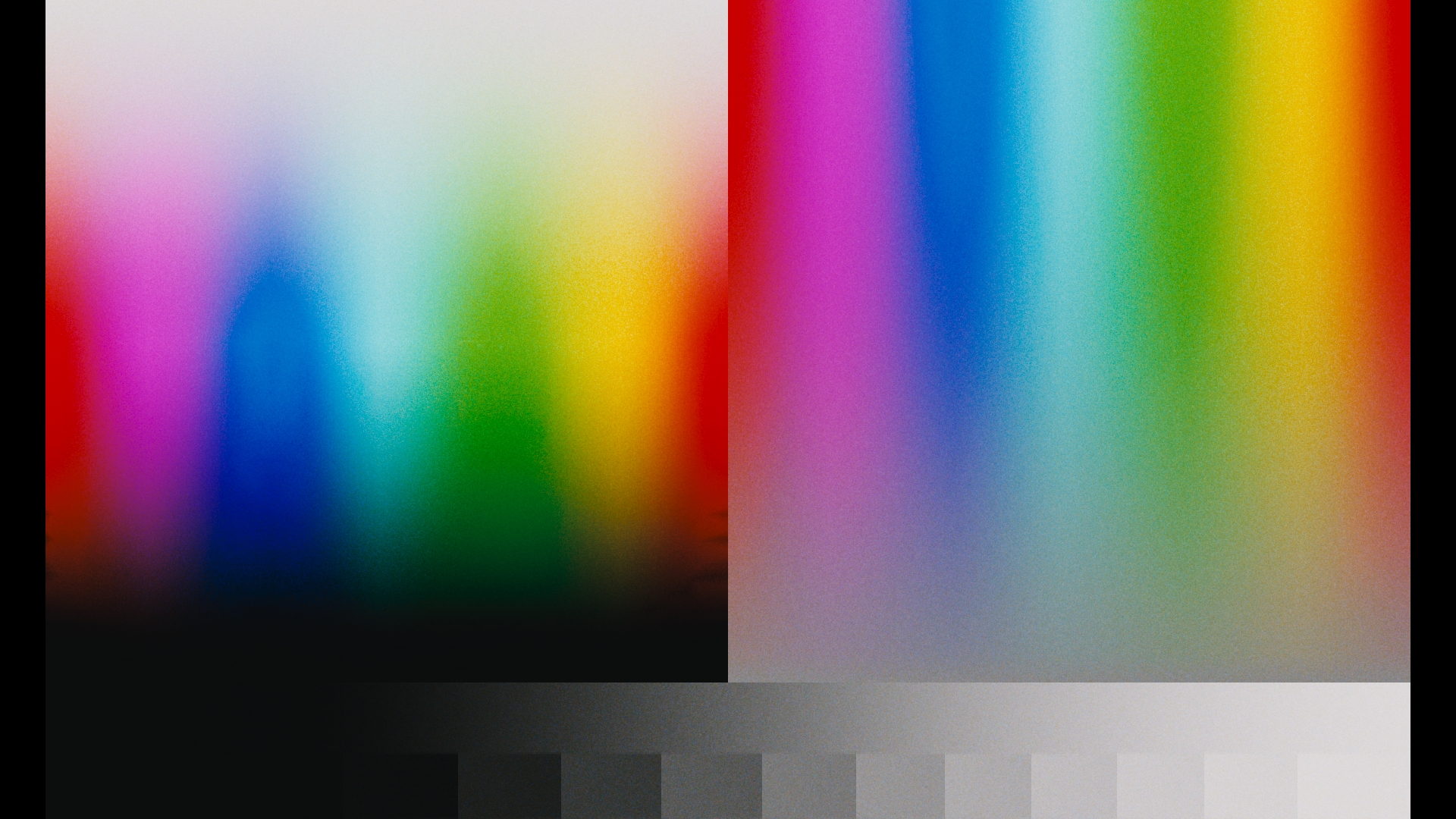
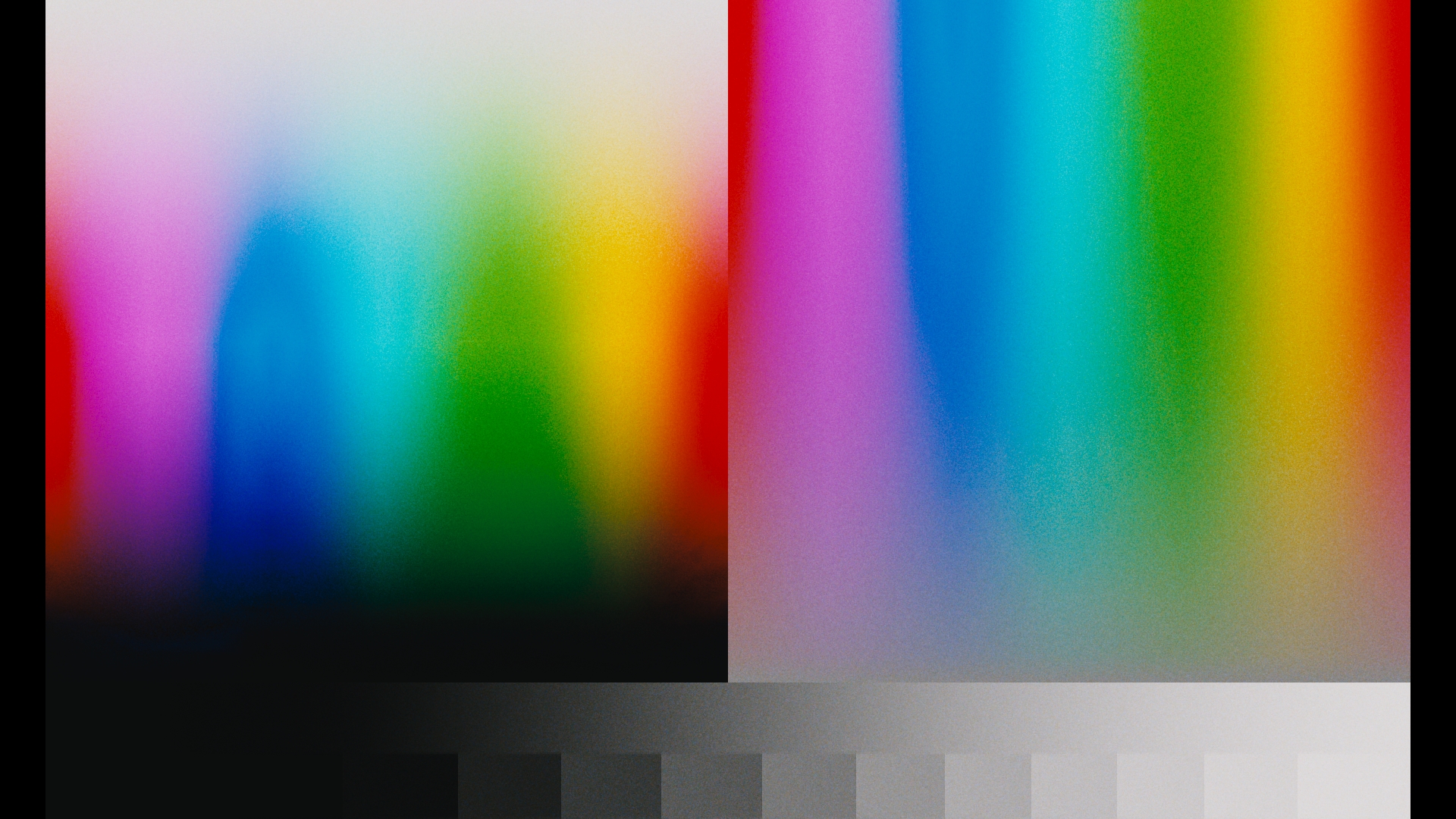
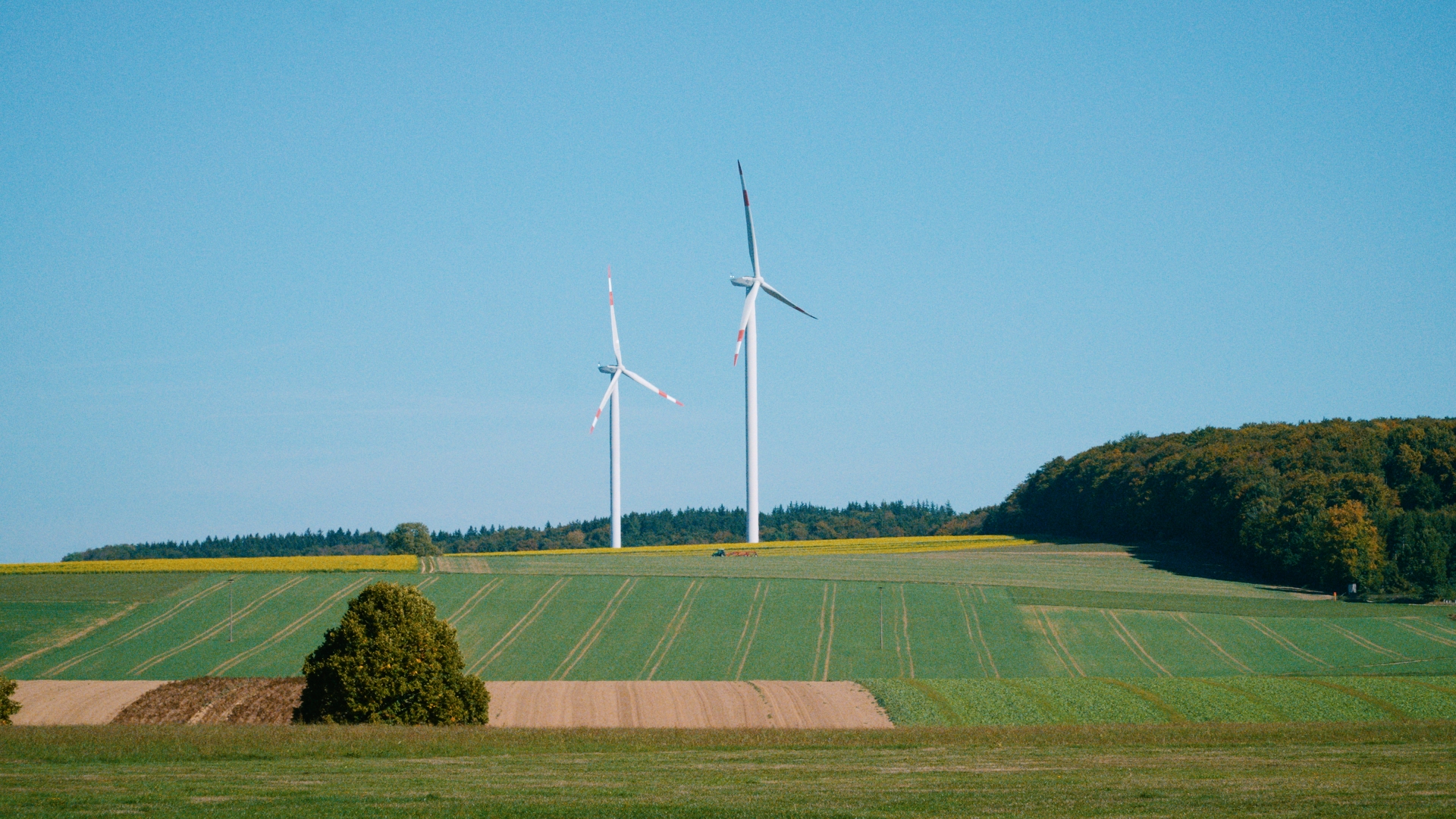
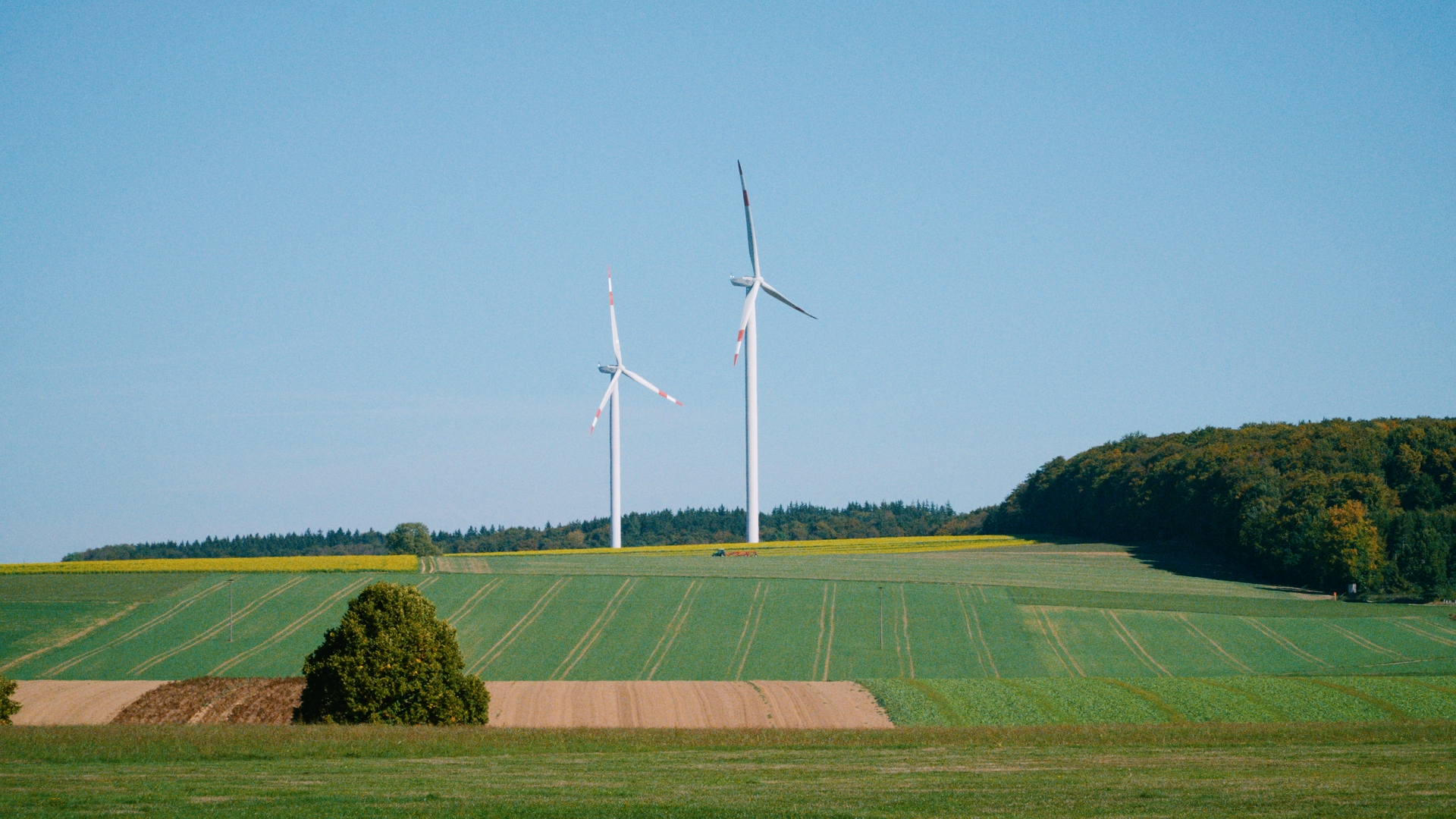
Here are some samples comparing the 3 upsamplers.
A synthetic chart in ACES AP0 linear input into the OFX plugin, no input gamut compression applied in the plugin.




4 Likes
the more the merrier! but there needs to be a way to identify the provenance of the .json files (I’ve been calling them profiles but perhaps a more apt name is needed) so that we know what we’re using since there’s bound to be a big overlap. the profiles need a makers mark that is easy to see.
I’m calling them analog medium beacause it’s film and print medium. The database app is quite complete and with the help of AI, overlapping entries can be easily resolved.
1 Like
Interesting!
From the sample photos - the blues look nice, they always were very heavy in the “hanatos” one, and yellows also look quite good to me, turning towards the more “filmic” orange tone instead of the sort of “limey” yellow. One thing I would be afraid of is the greens turning towards the yellow side, but thats still less to “hack” than what I would have to do now - I run multiple color equalizer instances before spektrafilm in darktable to nudge small color chunks so that the upsampler sees the image the way I want
My personal favorite to stress test the greens is this image from signature edits (hope the link works) - the undersides of the leaves break very easily
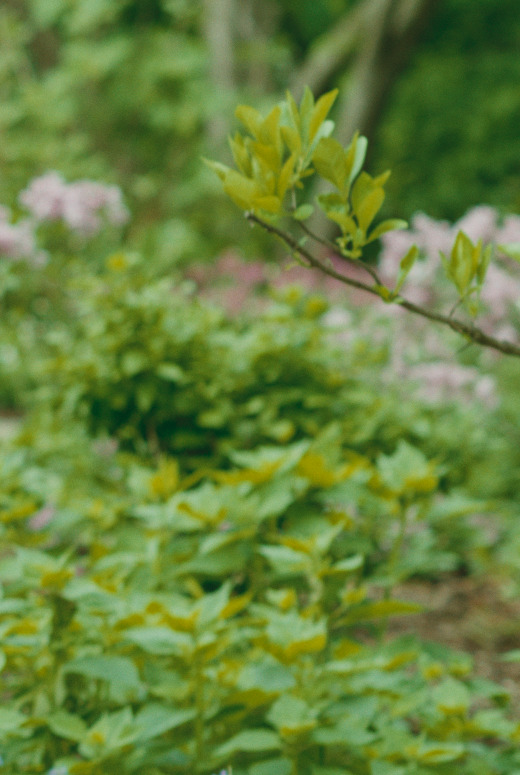
I think tiban might have talked about the possibity for this - Darktable spektrafilm pack generator - so in tools like Negs/darktables spektrafilm, we could see if we are using a profile from Negs, spektrafilm, or your collection.
Greens turning yellow is pretty annoying.
What film+print combination are you using here? I can run it through my upsampler and post it here.
The film profile honestly doesnt matter - it was Gold 200 + Portra Endura, with hanatos upscaling, bandwidth adaptation on, gamut compression on, but it plagues basically all of the film/print profiles, since I think this happens during the upsampling.
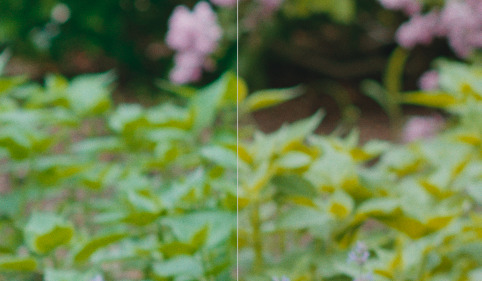
Gold200+Portra endura with hanatos, left without adaptation, right with bandwidth adaptation on. (also even the left part isnt ideal, but much better than the right)
and here without spektrafilm.
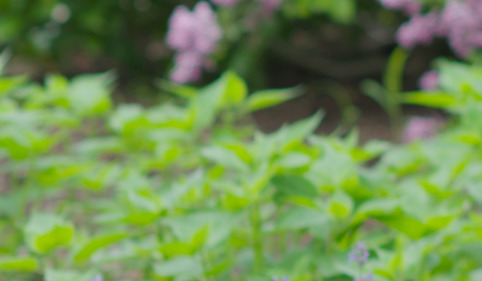
The brighter slightly more saturated parts of the leaves turn violently more dense and with the bandwidth adaptation much more yellow, so the image looks totally off.
Interesting, I have run into this issue today with a green heavy photo, so much so that I gave up and switched to AgX. I gave provide the raw if anyone wants it.
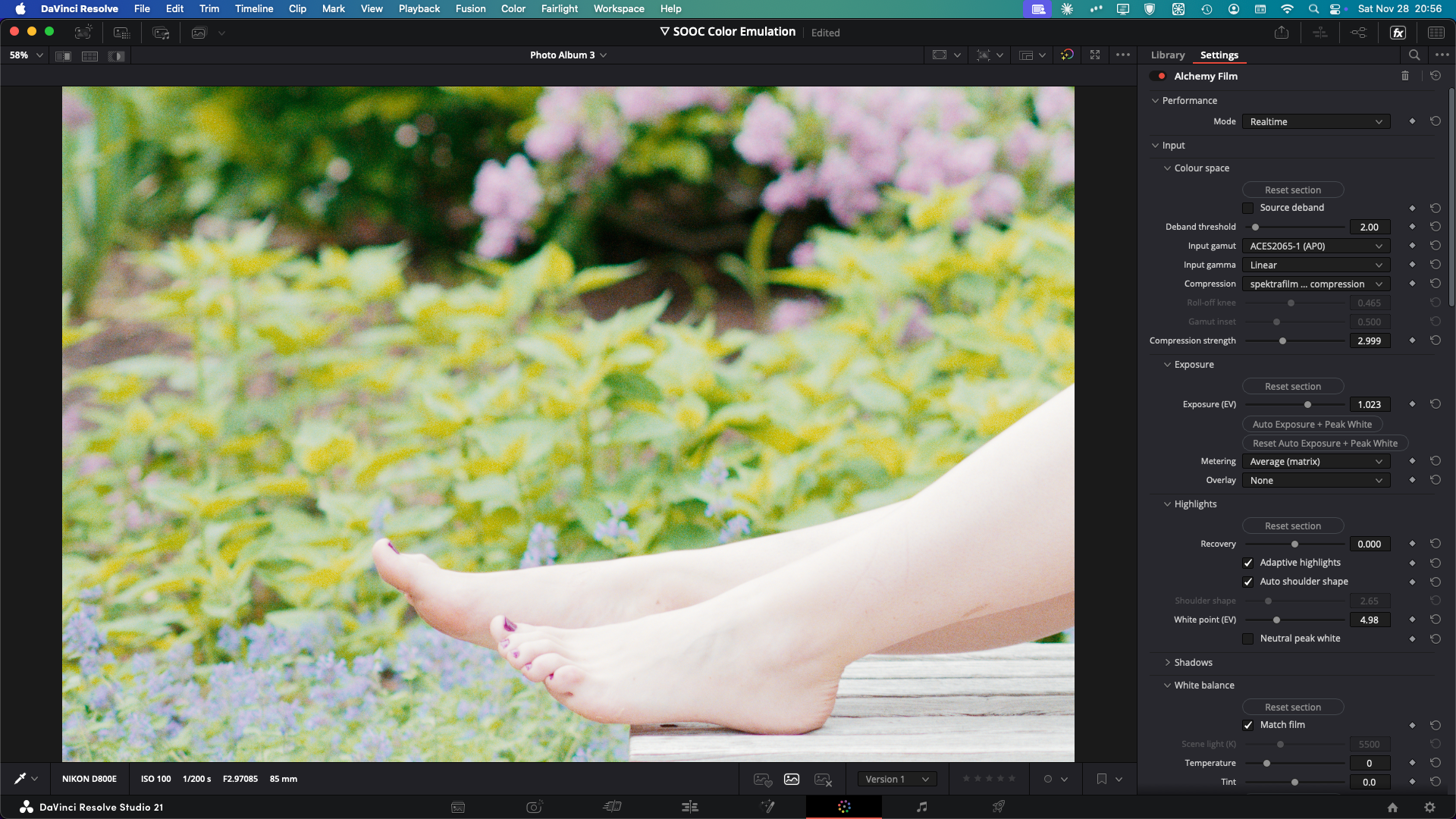
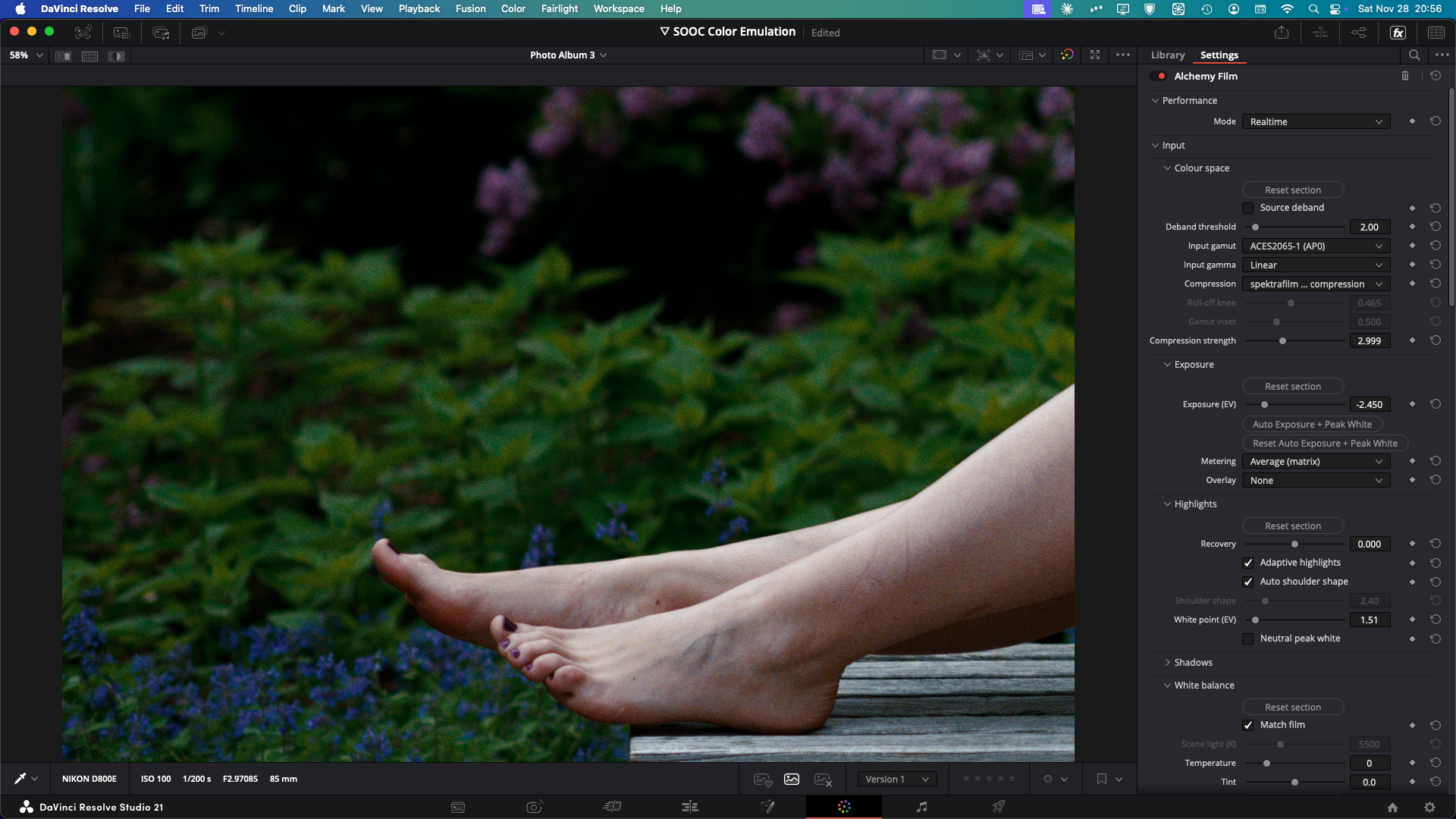
Yeah, lose the exposure, lose the crazy saturation thats hitting the input - in the python reference you could kinda sorta hack your way around this by just compressing more, though you lose saturation, and it still isnt perfect.
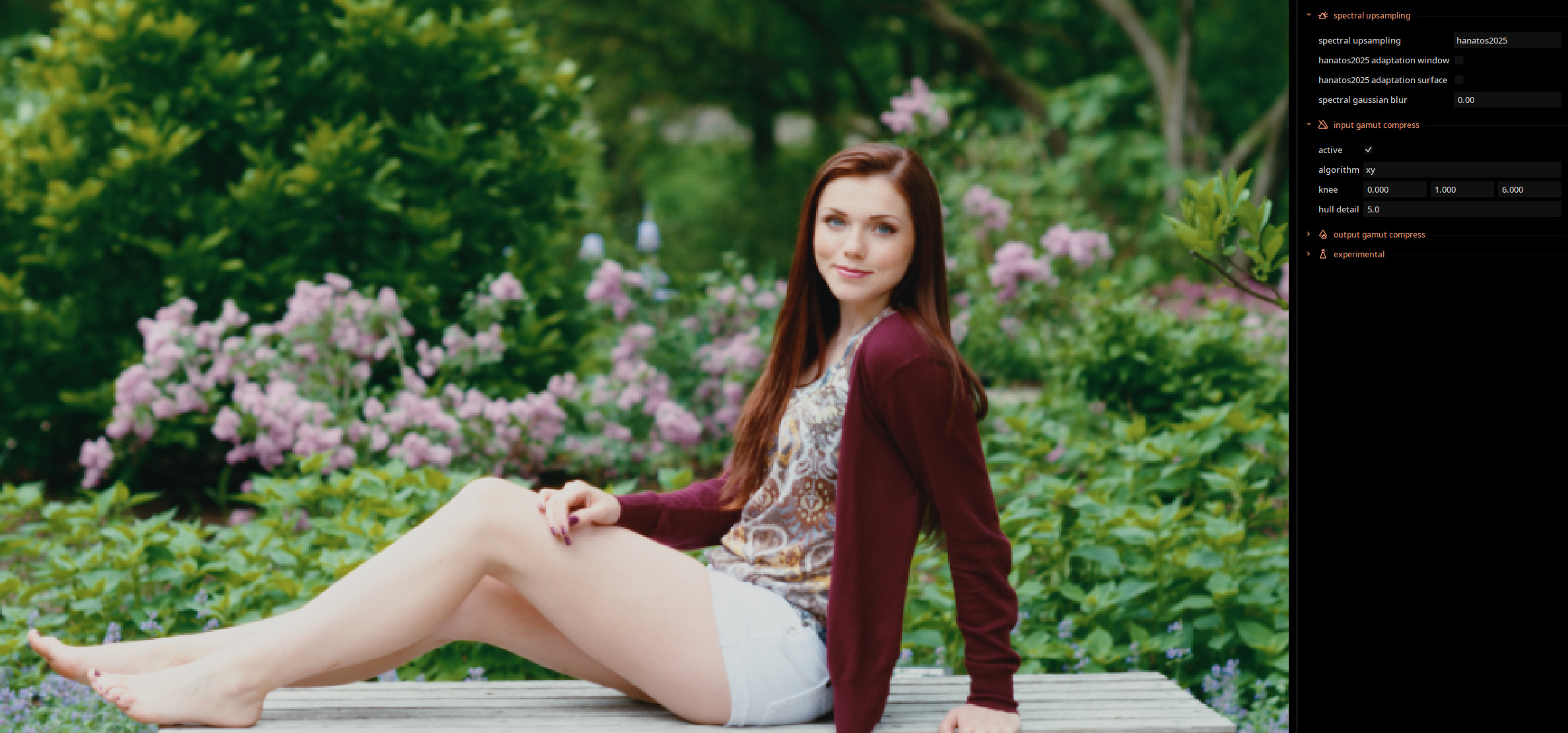
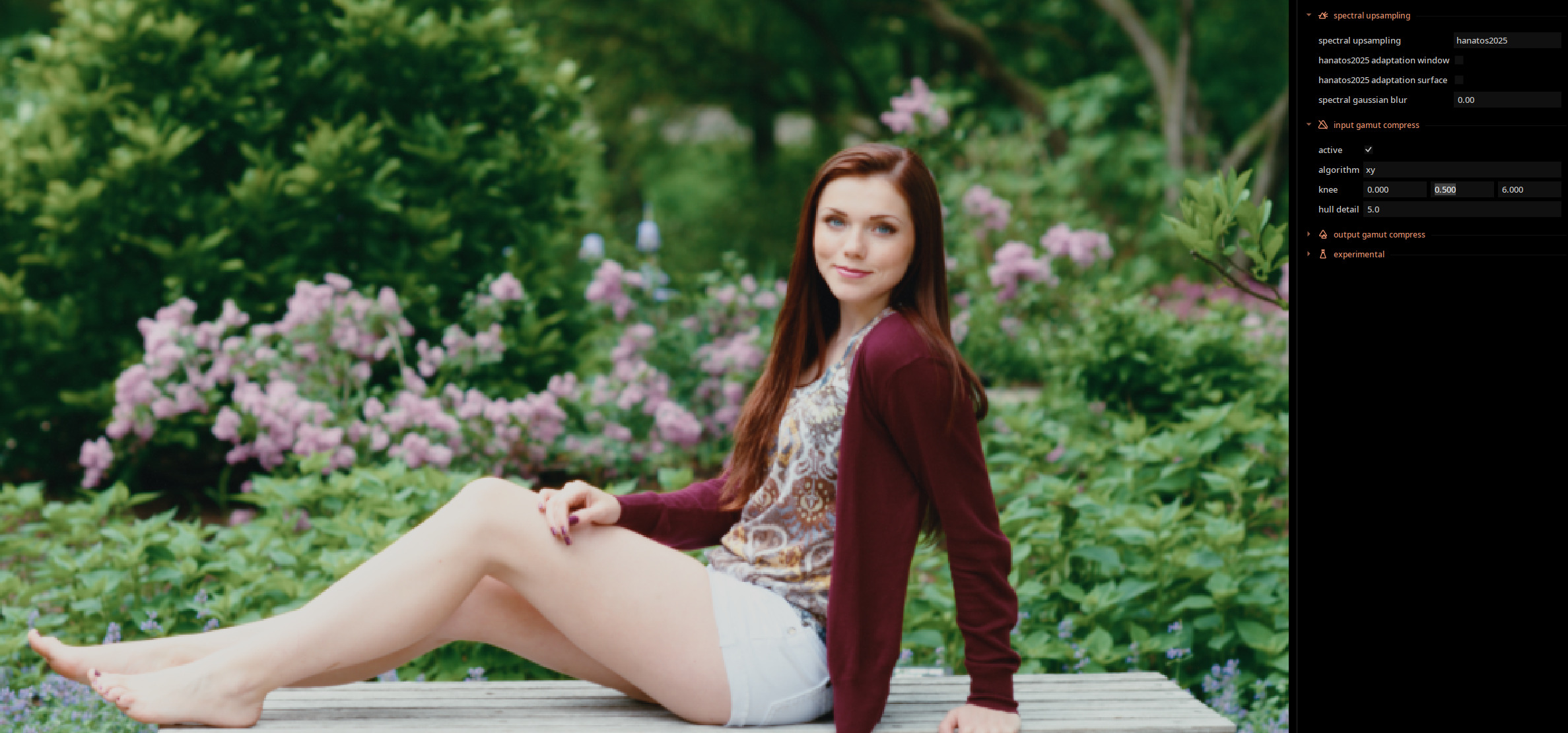
I hope I am not sending you down another rabbit hole…
It’s out of the scope of this thread for sure.
Here’s a gamut compression that would make Tarantino proud. I added a node that compresses high saturation colors before Spektrafilm. It’s an issue worthy of some investment for sure.
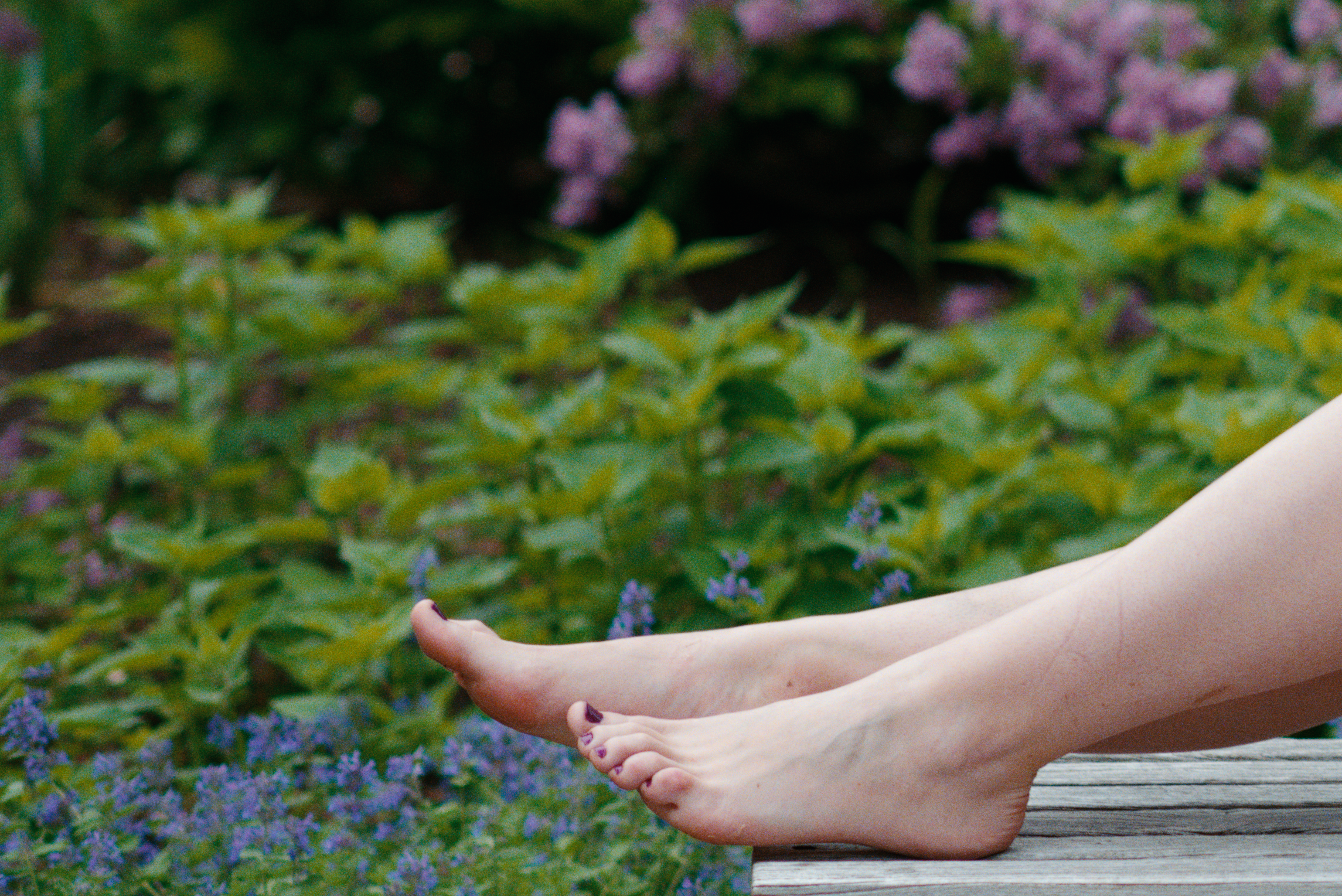
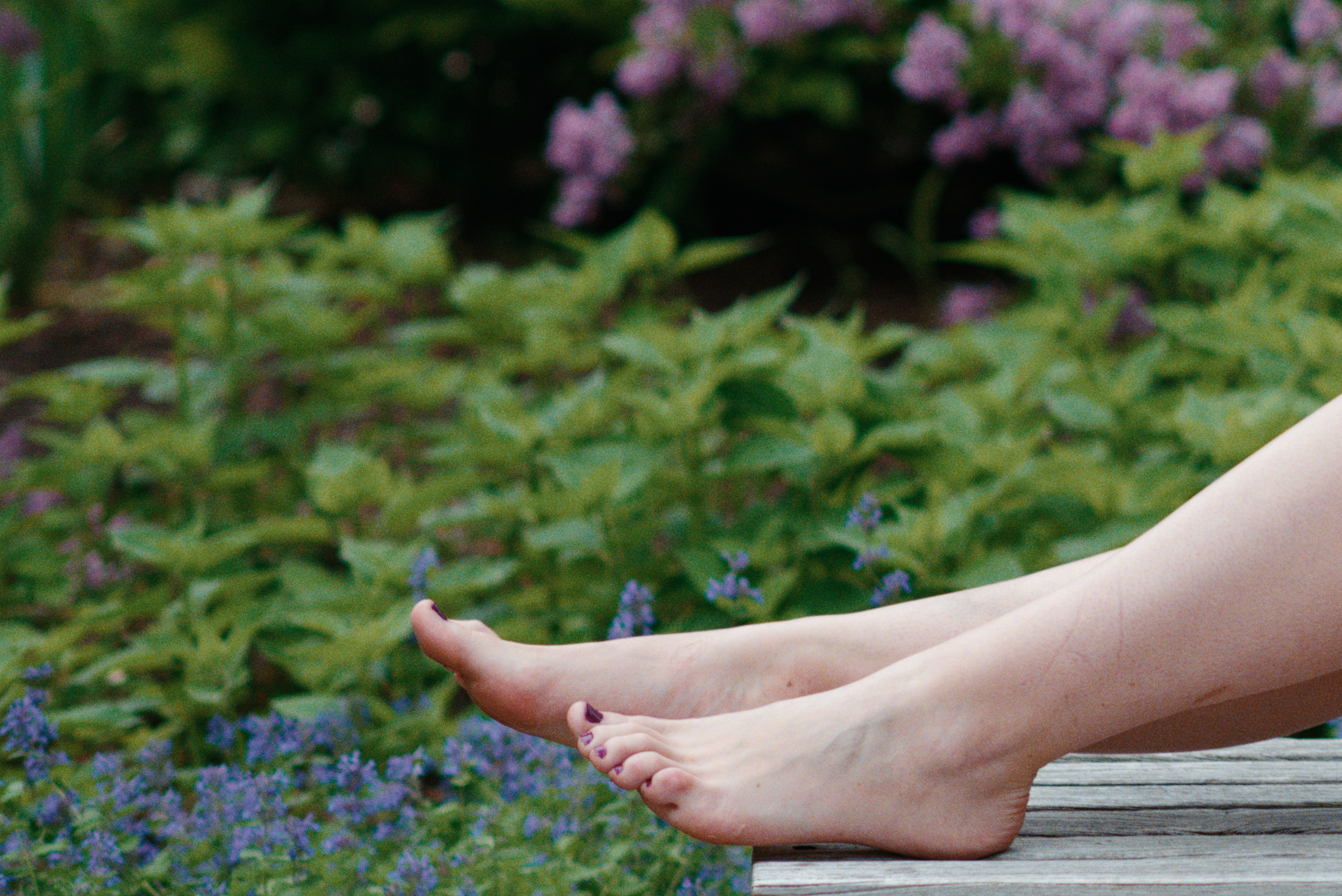
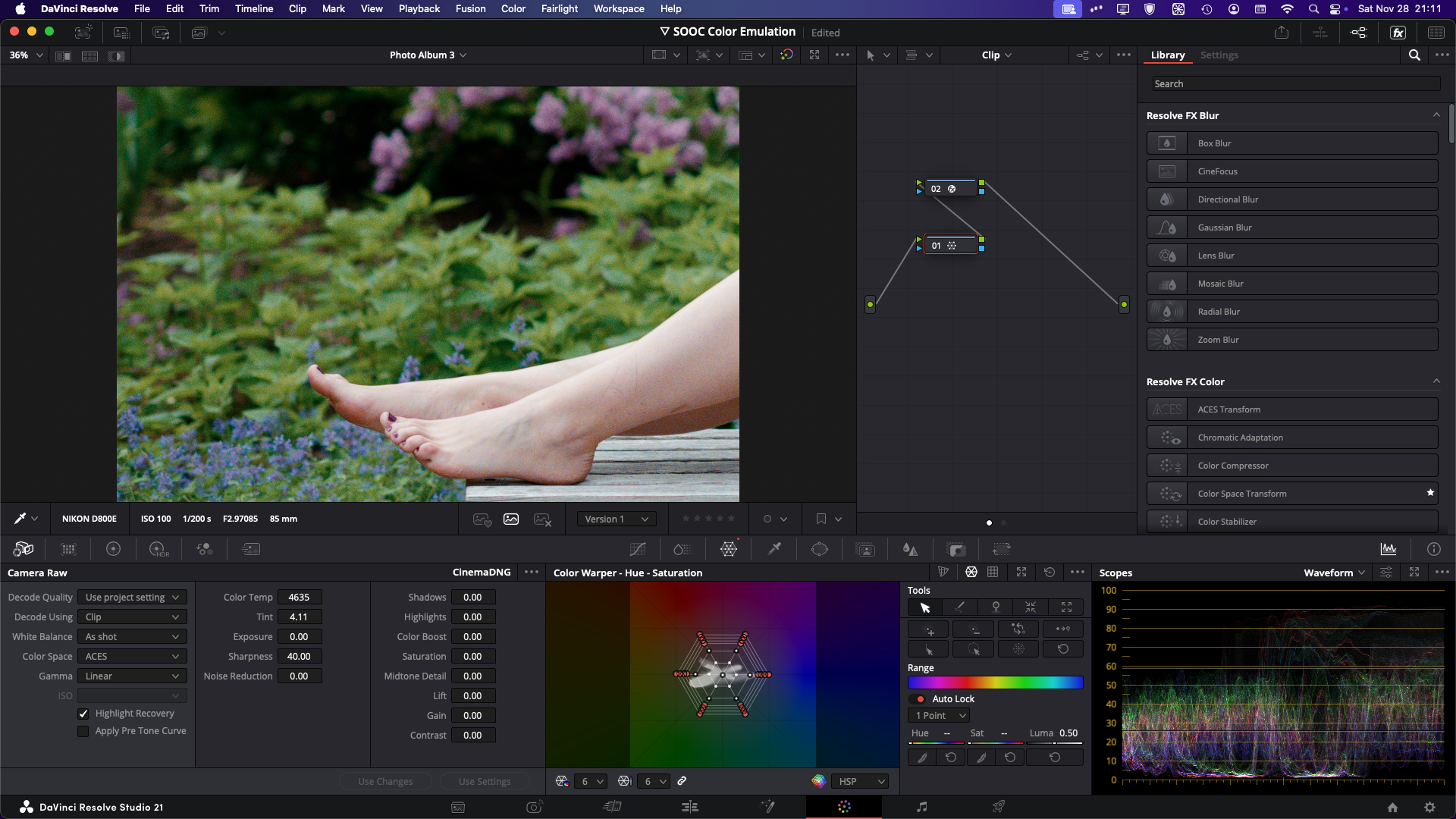
2 Likes
I would be cautious of improving the existing spectral upsamplers to chase an outlier characteristic. Film chemically developed and printed along with any model that emulates it in digital realm will have hue deviation dependent on lightness and saturation. Spektrafilm in its current state models it perfectly and you can minimize or enhance this phenomenon using different combinations of stocks. But not get rid of completely at least not without problems with skintones. This is how film works. In my view such cherry-picking defeats the purpose of film emulation, and as was noted earlier a different foliage rendition can be easily achieved by switching to a more linear tone mapper such as AgX. But of course one can chase whatever he is after 
1 Like
I disagree - with a “broken” upsample, youre basically giving all the film stocks the same disadvantage, the same borked starting point.
And why should you switch to AgX if spektrafilm cant “deal” with it? Its like telling me to pick up a film camera and shoot film if I do not like the colors
this is true, however i often find myself switching between the hanatos and arctic upsamplers depending on the situation so another approach at upsampling does interest me
1 Like
From what I saw when comparing results from Spektrafilm to my own scans from still and motion pictures negs and reversal stocks, and comparisons to other film models in Resolve plugins and also iOS apps (Koloritsika, Chromagraph) this irksome foliage rendition is part of the look of film. Followed to a fault by Spektrafilm. That’s accurate. You can create some other model that bends this part of spectrum to your liking, but along the way it won’t be an accurate representation of a given stock. But in the end If you like go for it.