- Color can be corrected. The detail difference is only apparent at 200% magnification.
Could you make a comparison (I don’t have DXO) for much higher ISO’s. I don’t know what camera you use, but IMHO iso 400 is low and traditional methods do just fine with that. I personally would not use the neural network based denoise methods for those iso values.
Those photos were shot at ISO 6400
1 Like
DXO PR does look a lot cleaner to me
BG of the NIND version is showing still noise and does look blotchy to me .It also depends on your chosen values in DXO … I do see folks hammering their shots with NR and sharpening ?!
Do you remember your settings used ?
And a 100 % view of both files would be great . Posting the full frame does make not really sense to me .
My bad, apparently my browser did something strange. Yes DXO looks better
Of course it is. DXO PR is in version 6 and is funded by customers. AI denoise in darktable isn’t even half a year old and the wonderful developer creating it does so for free.
It’s absolutely a great accomplishment to get so close to DXO and based on the progress made so far I think we can look ahead to some great evolutions and progress.
2 Likes
I have them both and I do think it’s wonderful that progress on NIND is being made. However, right now things aren’t nearly as close as you think they are. At least not to me.
That is the way I look at it. I also don’t need my photos to be super smooth if shot at high ISO like I do a lot. I remember film grain so noise is minor in comparison. I am sure with time AI denoising will only improve in DT and I have no need personally to buy a program for AI denoising. I feel this is a great addition to come to DT and yes it is still early days.
1 Like
@anry it might be good for the NIND plugin to check if the Profile Denoise module has been turned on prior to execution because if it has the resulting image will have MORE noise than if it is off. Looking at my past comparisons I think this may be why the NIND results have more noise than DXO.
In this comparison, I think NIND comes out very close to DXO.
Base RAW output to JPEG
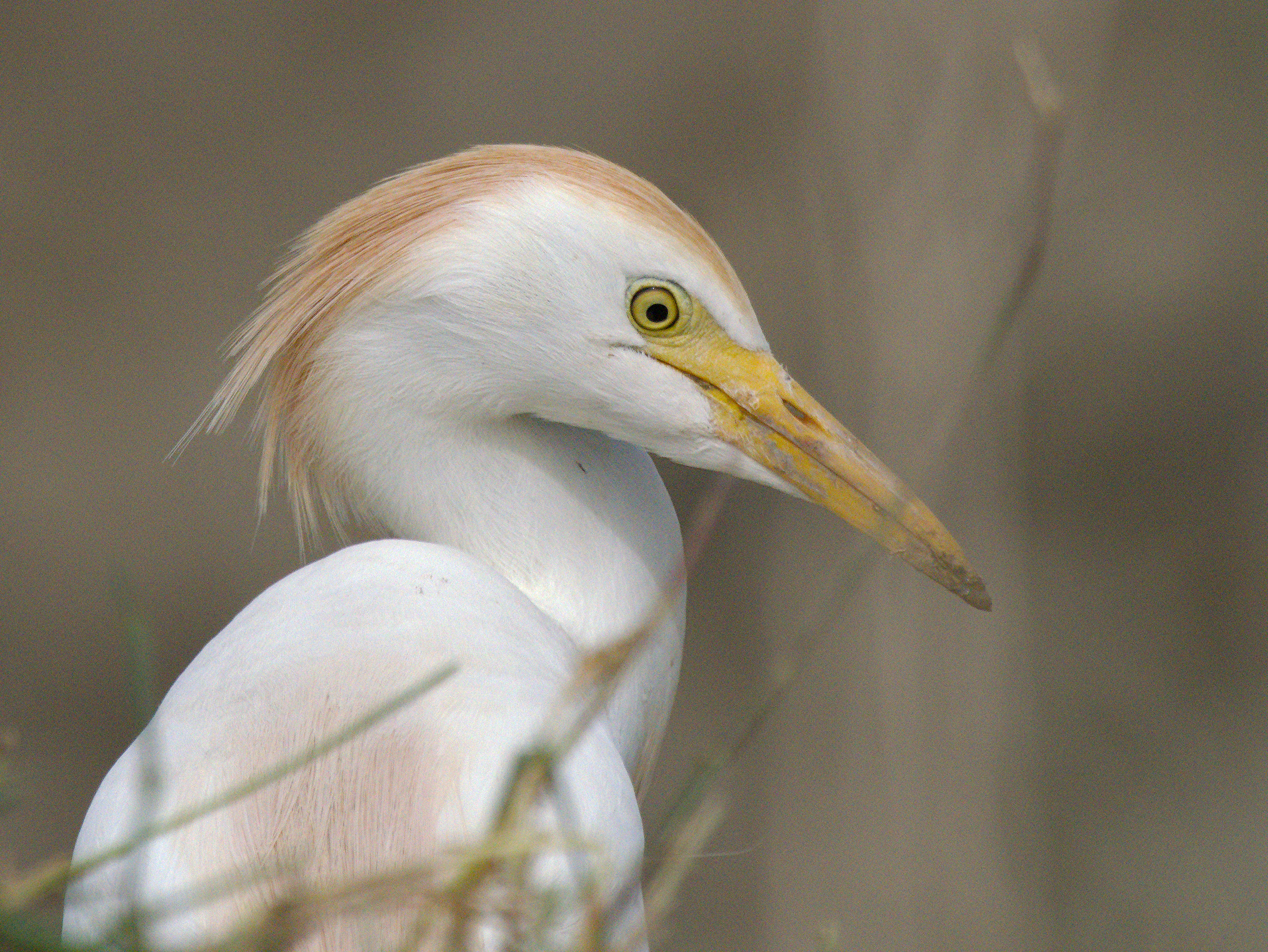
DXO Pure Raw export to JPG
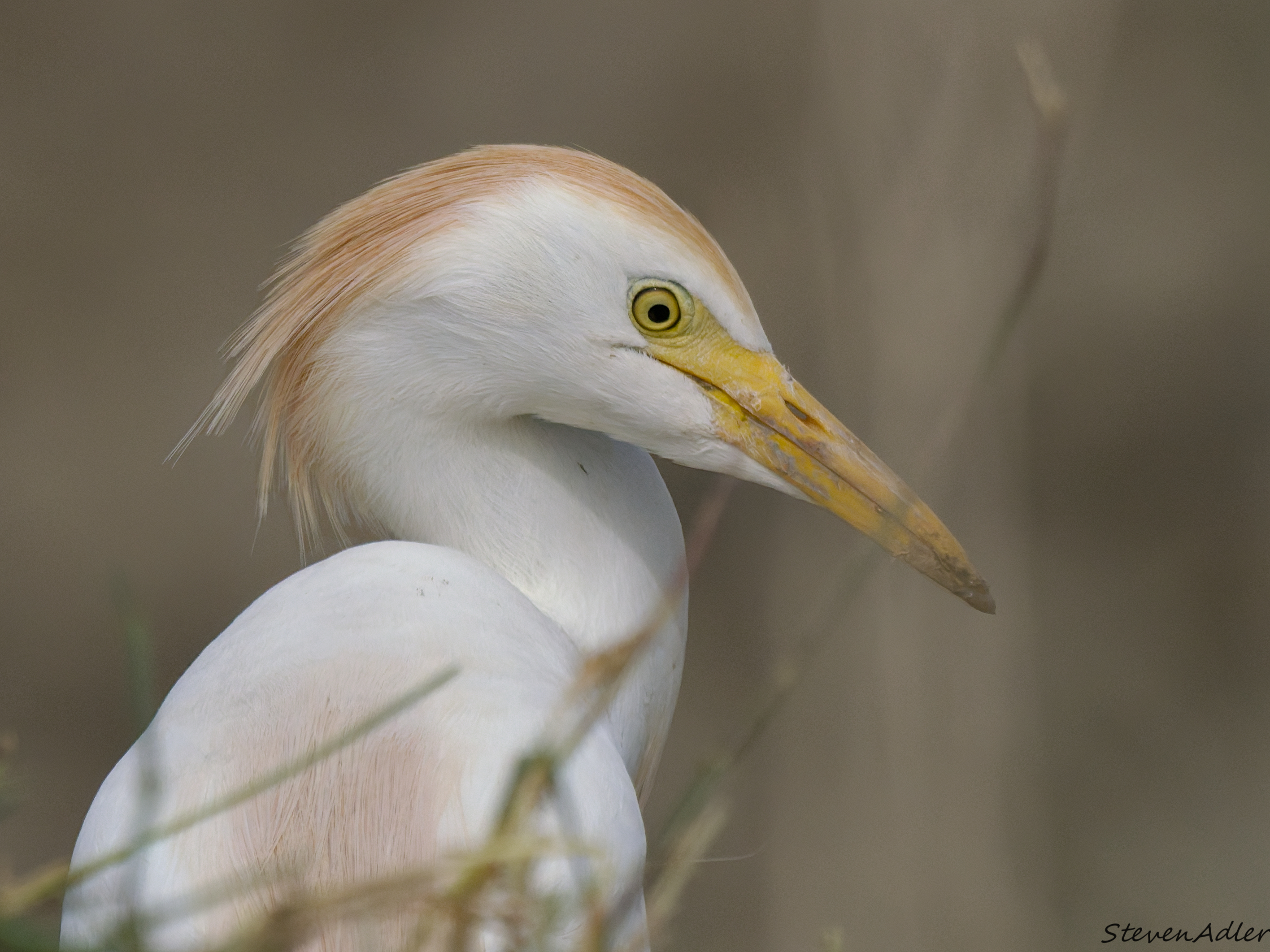
NIND Denoise export to JPEG with profile denoise turned off prior and AgX turned off after import into the collection.
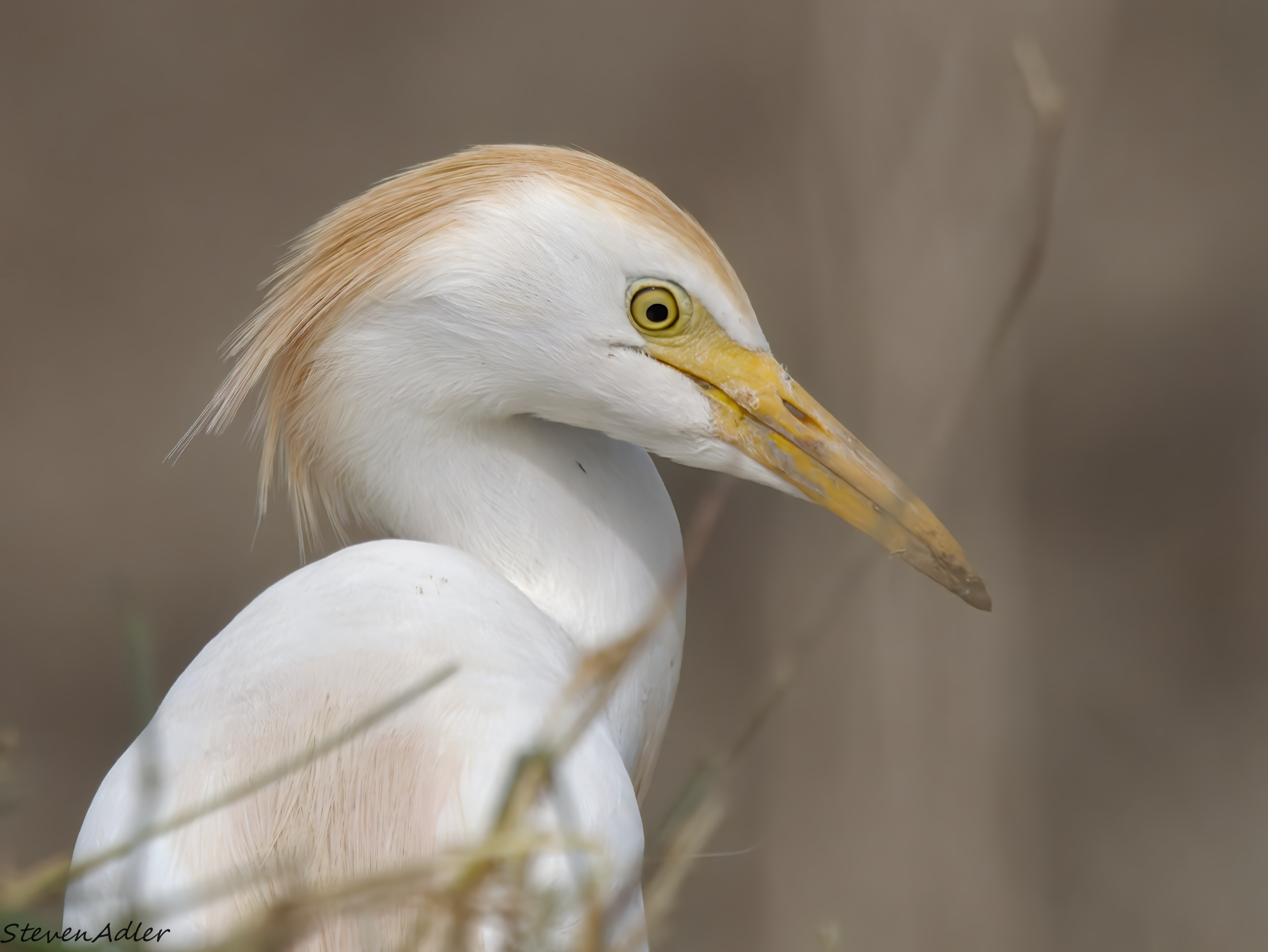
To facilitate comparison here is a 100% export
DXO
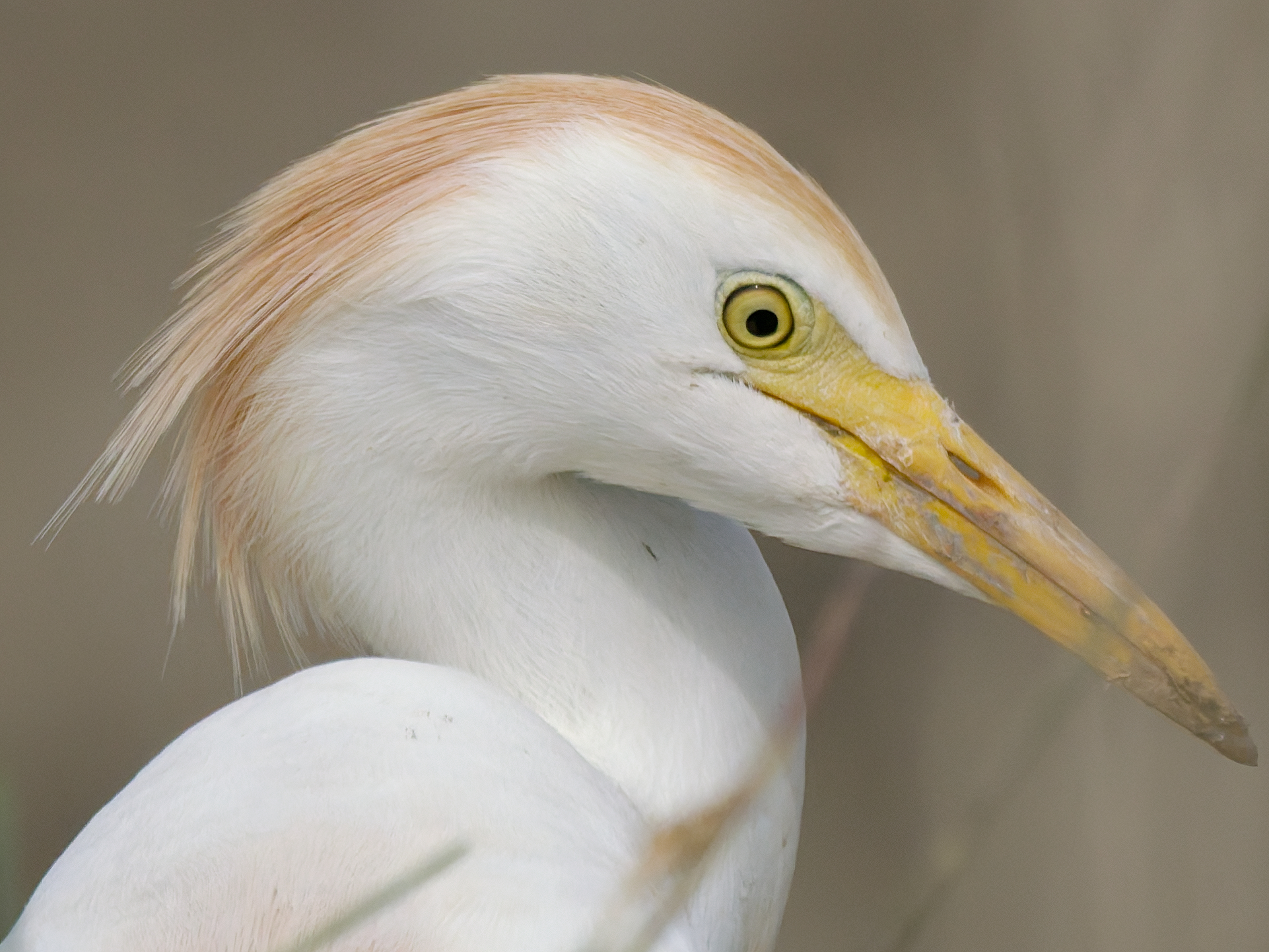
NIND
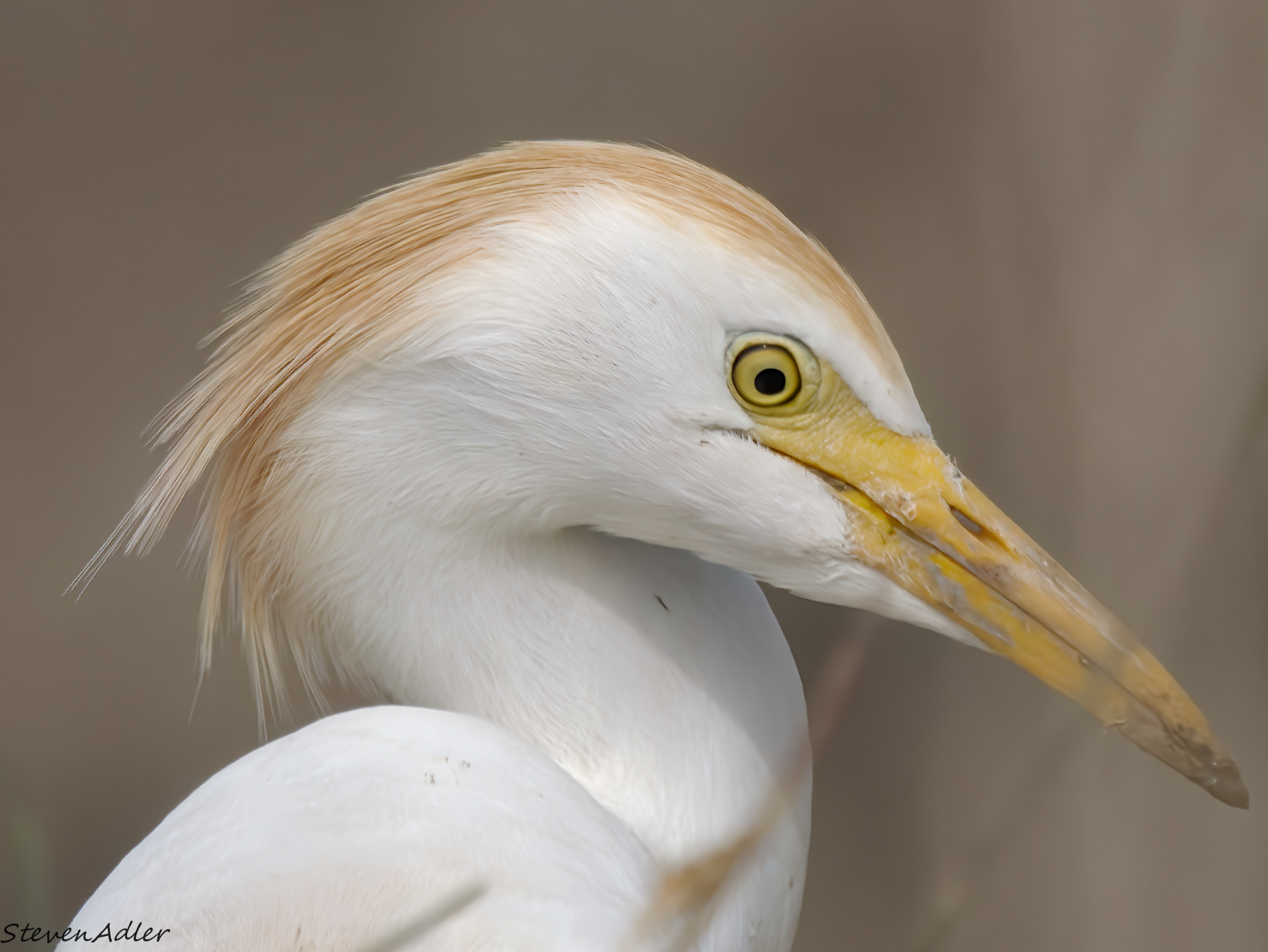
The image was taken yesterday at ISO 1250 on the OM1, and the final crop is more than 200% on a 20MP sensor.
I think the NIND result is very close to DXO, which is pretty amazing!
That is an interesting observation. I wonder if others can replicate that observation?
Can’t follow that suggestion, regarding running NR twice on an image , I am puzzled !
Even running NR on images at ISO 1250 is … pretty pointless.
Well we all think and work differently.
So I am not surprised that the Lemur image is kinda a plastic looking that you posted earlier.
I never used the denoising profiled or any other method inside DT … just because of its limits .
Even the good old NEAT Image does produce better NR than the internal DT solutions.
Again just my personal observation.
And I am talking about noise higher than 12.800 with Canon R1 , R3 and R5 II .
I have observed noise even at ISO level 100 on my Nikon Z8. The blue sky had a slight hint of noise. Of course I did not run ML-based NR, but I did apply a slight NR.
Also, of course when you increase the exposure in darktable or any other raw editor, this can bring out noise in the shadows… So if you have to increase exposure a lot, your ISO value doesn’t say much.
Aha … thx for the valuable info , a simple answer from my side .
Get the exposure right in the first place … no need for NR up to a certain point of ISO values .
Noise isn’t the result of bad exposures. Camera noise originates in the sensor is there at every exposure but becomes more visible at higher ISO. It also becomes more visible when you crop an image and apply tonal changes through AgX to Tone Equalizer, and with color changes through Color Balance.
Yes, even great photographers have to work with sensor noise in programs like darktable. I’m sure you will learn that someday.
I guess … you could guide me very well with your wisdom
That is also not what I am saying.
But if you take an image very under exposed and then increase the exposure much in darktable you will get more noise than you would expect on pure the iso value alone.
Sorry … for me personally the NIND version is an overly smooth mess !!!
Lots of the fine details ( visible in the DXO version ) is just not there …
But hey … we all see things differently .
I don’t think that you do NIND justice. The DXO image is a bit less smooth, indeed, but has also more remaining noise. The NIND version is a bit more over processed. It might very well be the case that if NIND is a bit less agressive and you a bit of grain that you get very comparable images.
Correct …
That´s why i said get the exposure right in the first place and you have less issues with overall noise .
And it has never been easier to get the exposure correct , if one uses the modern mirrorless cameras . Unless it happens in the heat of the shooting moment …
And if it is the case that one needs to ramp up exposure in post , well than you´re in trouble with noise regardless of the Iso .
Or if one hammers the file with extreme edits … specially when certain tools are used globally , for sure one does have more noise visible .
That´s why it is " important " to run NR in the beginning of the process , to eliminate or reduce the noise … instead of doing it at the end of the process .
Well this is just my approach … it does work best for me and my use cases of my shots .
It is fully ok that others think differently …
But fact is , at least on my 32" inch high end screen , the NIND demos do show less visible fur or feather details . And that´s what does count for me …
Leaving the cost for DXO and the brilliant work of the NIND developers aside !!!
For me it is only about the final product …
And if i think DXO produces better results , it is purely my personal view !!!
If you or others see details that are not visible in posted files … well different views to the same things .
I do not care where the tools come from … the result counts for me .
At some point it does sound one needs to excuse for NIND to not getting the same output quality … fair enough … but i would not expect the same quality .
And me as a user … i do not care how a certain tool delivers the quality i want , how tricky or difficult it is to develop such tool.
It is a bit like when i show one of my images to the public to get a critique , i do have a emotional relation to my images and know how they have been produced and the " problems " that has been involved during the shoot .
So i have excuses for potential shortcomings of the images …
But the neutral viewer or the audience is not interested in my " issues " , they just see the potential shortcomings and might say … this or that is not ideal or could have been made better in post or even during the shooting .
Hope you get my point about NIND and DXO in comparison , if not fine .
Nothing serious to be honest .
I just do photography for pleasure
And if one wants to use DT AI noise reduction … i personally would suggest or prefer RawRefinery .