Very little of the GUI has been completely removed—most of it has just been moved (to the global menu, the blending/masking module, etc.).
I’m curious to know, what do you find hard to use?
If it’s only a habit issue because you’re used to Darktable’s GUI, that’s not a reasonable basis.
2 Likes
I believe that modules are by and large compatible (modulo module order, IIUC). It would be nice to have some kind of shim to be able to share modules between the two platforms. @Jiyone is my assessment correct, and would that be desirable for Ansel?
Share modules how? what do you mean?
Some modules are not compatible because they diverged after dt 4.0
This is one of the main problems I’ve had with Ansel when I’ve tried it. Yes it’s more consistent and like other applications so discoverability is great, but it also takes a bunch more clicks and/or scrolls to get to everything, so things just take longer. I could set up shortcuts but I generally just use those for my most common operations, and after about a dozen or so, I simply forget my less common shortcuts.
On darktable I have my most commonly used utility modules always-open and most stuff is just a click or two away
I’d 2nd that, the modules I seem to use (and in the order I like to use them) are all on different tabs. So its user a module, navigate to a tab, unroll the module, turn it on, use it, then repeat.
I understand the criticism, however I will object that the “pipeline” tab contains all the modules by default and the “basic” tab allows the first treatments
after that it’s a matter of habit and taste
“the best tool is the one we know”
1 Like
All is too many. I don’t use half the available modules and hunting/scrolling around is enough to make Ansel too painful for me.
Reading the comments it seems this is treated as “won’t fix” which probably makes Ansel “won’t use” for me, until I can be bothered to fork it myself.
I get that Ansel is a highly opinionated fork, but unfortunately in quite a few cases my opinions are pretty strongly the other way.
1 Like
One example I have is with the Ansel color equalizer, which is divided by shadows, midtones and highlights as opposed to a single global set of controls. While I can see some cases where this might be desirable, the current organization triples the number of adjustment I might usually make. Having the option to anchor the controls across the range would be very helpful.
I also don’t see the need for the LUT display, but its easy enough for me to ignore it.
1 Like
My “first treatment” is a preset, after that it is just minor tweaks to that and then the custom editing. So the basic tab is more or less irreverent.
I guess so, but my taste is to not click around a whole bunch.
Since my core darktable modules are all in ansel, I pretty much already know how to edit in ansel. It’s the number of clicks that isn’t great right now.
It seems counter intuitive to ask a bunch of dt users what they need in ansel that is missing…
1 Like
Each module is compiled as its own shared lib. If the module ABI has not changed significantly in Ansel, in principle it should be possible to use the same modules in the two applications. I understand that module order is handled differently on Ansel, but that could be shimmed away. I.e., darktable could expose an Ansel adapter that would assign an explicit module order. Ansel could probably do the same, specifying a module’s deps (I am not aware of the details, but IIRC it uses an acyclic DAG).
Just thinking out loud here, I don’t know how deep the differences in module implementation go, that’s why I am asking you.
Not really inclined to provide any additional feedback with a remark like that.
Is it very different when we tell complaining LR users that darktable’s UI is not necessarily harder or worse, just different? I think that @Jiyone’s is just asking you/us to factor in your/our biases when we comment on the usability of Ansel.
10 Likes
You stated that Ansel would be „frightening“ compared to darktable, because it would expose more technical complexity. Can you state some examples?
(To me both are on par here.)
You should be a little careful before you pack up your toys and go home…just kidding but you did call the UI frightening and made several other comments that were collectively negative I think, but there were no concrete examples of your roadblocks or design issues …
If people react rather than make their case then it’s hard to come out of the discussion with points that can be evaluated and justified or accepted as a potential weakness…
4 Likes
I don’t have a dog in this fight. I AM a darktable user, but there is room in this world for other photo editors.
I just installed Ansel. It is not obvious to me how to develop a workflow in Ansel, but 30 seconds is clearly not enough time for that.
So I checked the documentation on Github. As with other projects, I think this could use some work. While it is appropriate to reference Ansel as a fork of darktable, it is diverging and is becoming its own thing. So the new user may not need to see a comparison to darktable, or for that matter to Lightroom, to RawTherapee, to ON1, or anything else. It should just start from the beginning, IMO.
For me, the knowledge graphs are pretty but unhelpful.
So It looks like an early-stage product, and needs some documentation and tutorials for new users. I think that is normal at this stage. I wish the developers well.
Number-1 for me though is to remove overt references to darktable as seen e.g. on the entry page at Github:
What is it ?
Ansel is a better future for Darktable, designed from real-life use cases and solving actual problems, by the guy who did the scene-referred workflow and spent these past 4 years working full-time on Darktable.
It is forked on Darktable 4.0, and is compatible with editing histories produced with Darktable 4.0 and earlier. It is not compatible with Darktable 4.2 and later and will not be, since 4.2 introduces irresponsible choices that will be the burden of those who commited them to maintain, and 4.4 will be even worse.
Etc. I think this is detrimental to the project and totally unnecessary.
3 Likes
I don’t remember seeing any threads like this about Raw Therapee and ART. There doesn’t seem to be another pair of programs that get judged based on what the other does or doesn’t have. Removing the references to darktable in the Ansel material might be a good first step (at least anything beyond an orientation for someone migrating between projects).
Actually, doing what ART did and using a different sidecar so they could easily coexist would be nice, too.
4 Likes
They don’t even need to use a different sidecar. Both programs can use the same one. I think Ansel needs to use an Ansel tag inside the xmp. I think it is still using the darktable one. This was brought up, but one of the maintainers said they will eventually do it before release. When is release? I don’t know.
2 Likes
I don’t think you’re meant to have more than one xmp, they’re supposed to co-exist in the same file. ART and RT both use an ini style file for storing information, so to share they’d probably have to prefix all the headers.
2 Likes
Thanks for the response. Last time I tried ansel this option wasn’t available.
It looks very good on the smooth images showcased, but real world images present a tougher problem. For the below example, I have tried to use the same modules at the same settings in both ansel and dt (though slight differences may occur), using filmic v7 so they are comparable.
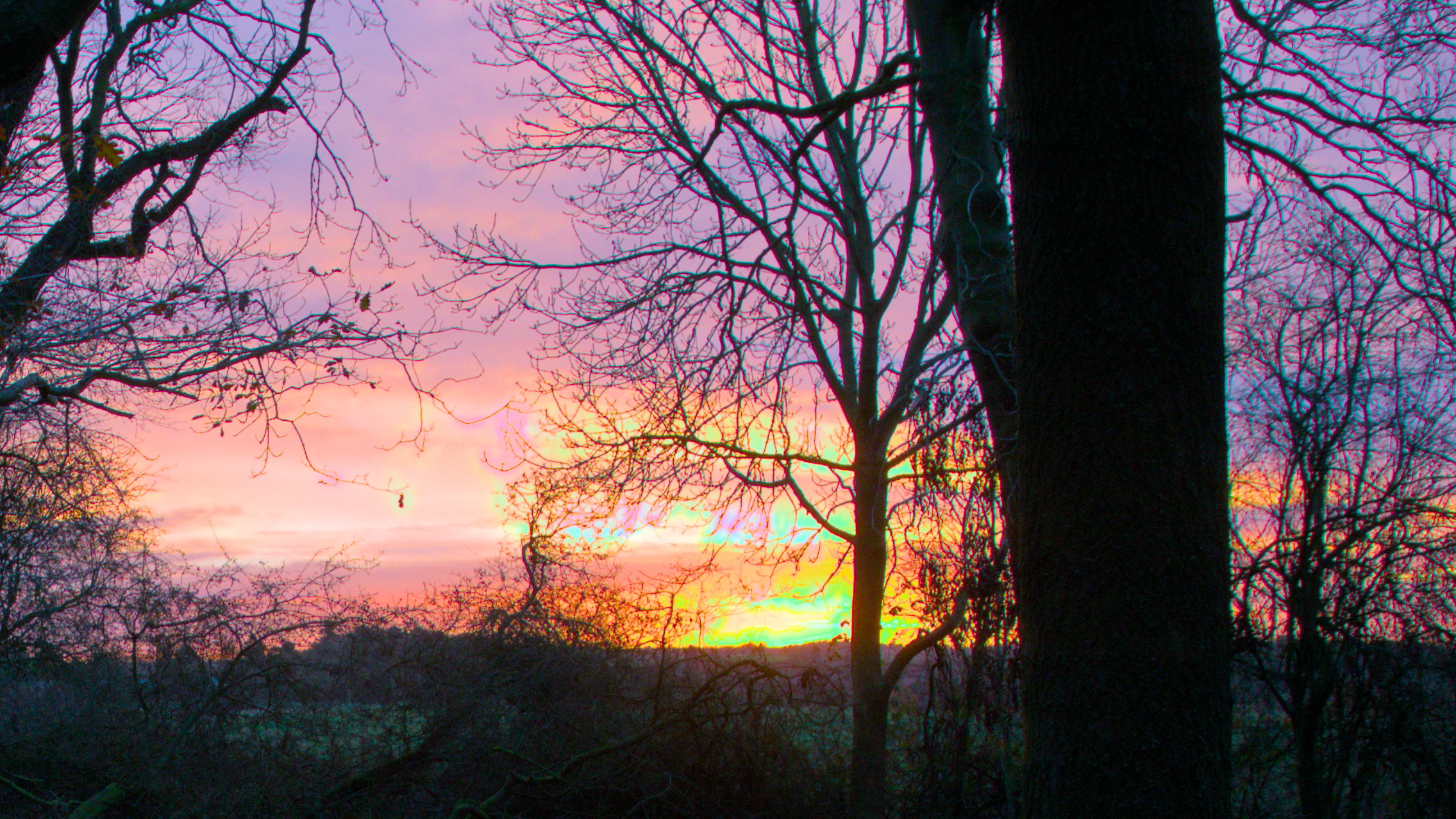
Ansel with harmonic transposition:
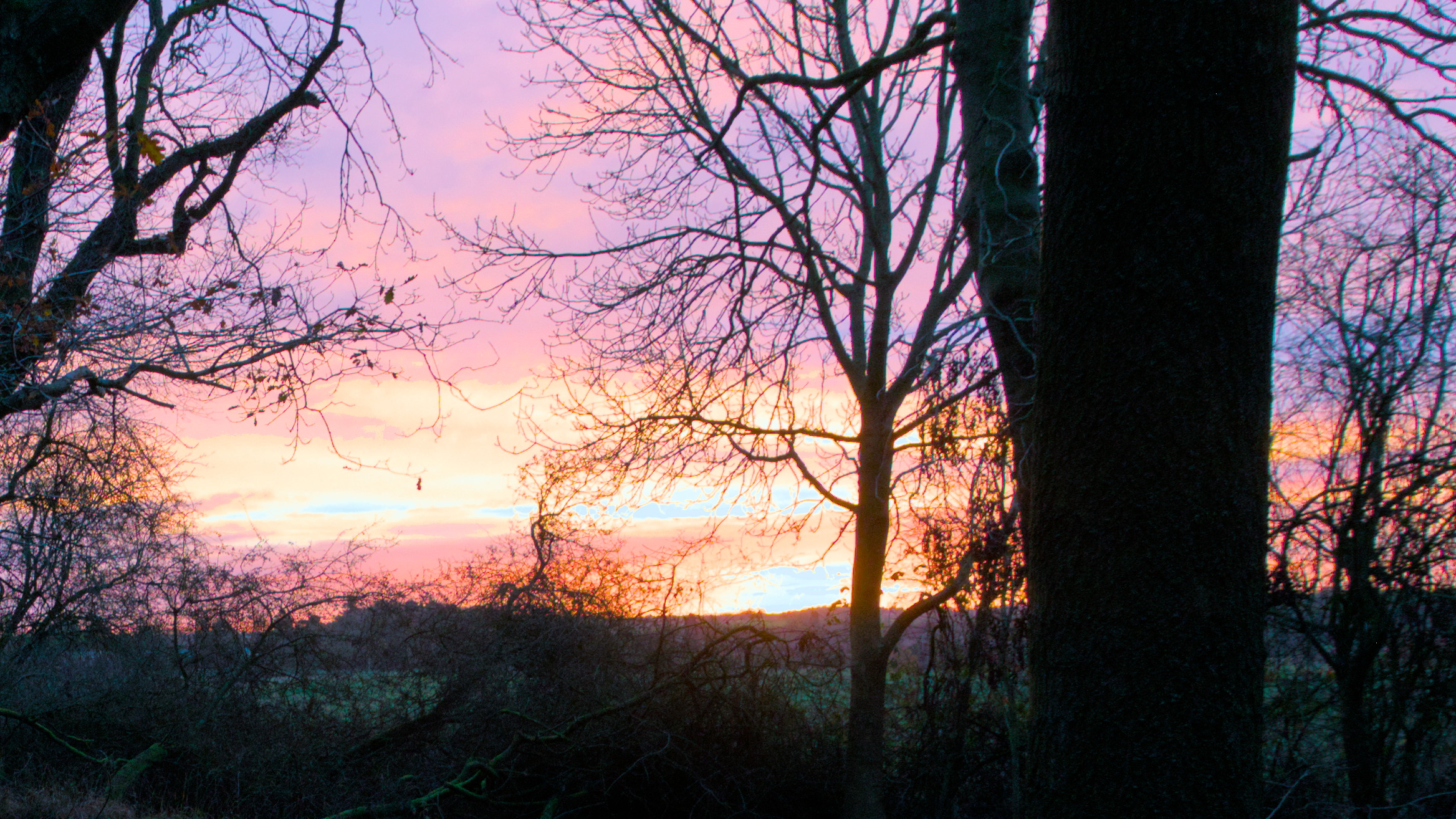
darktable with inpaint opposed:
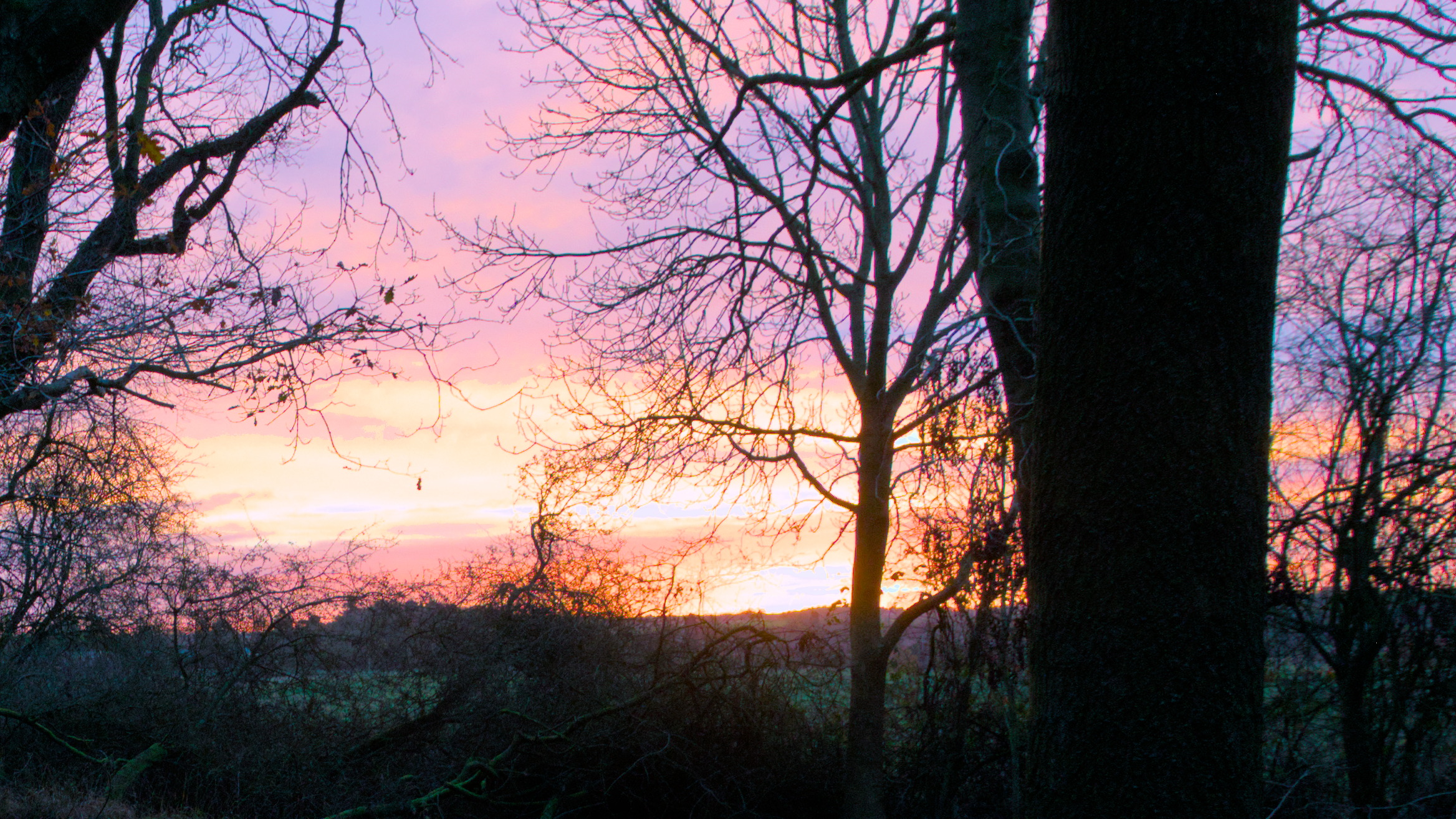
darktable with segmentation:
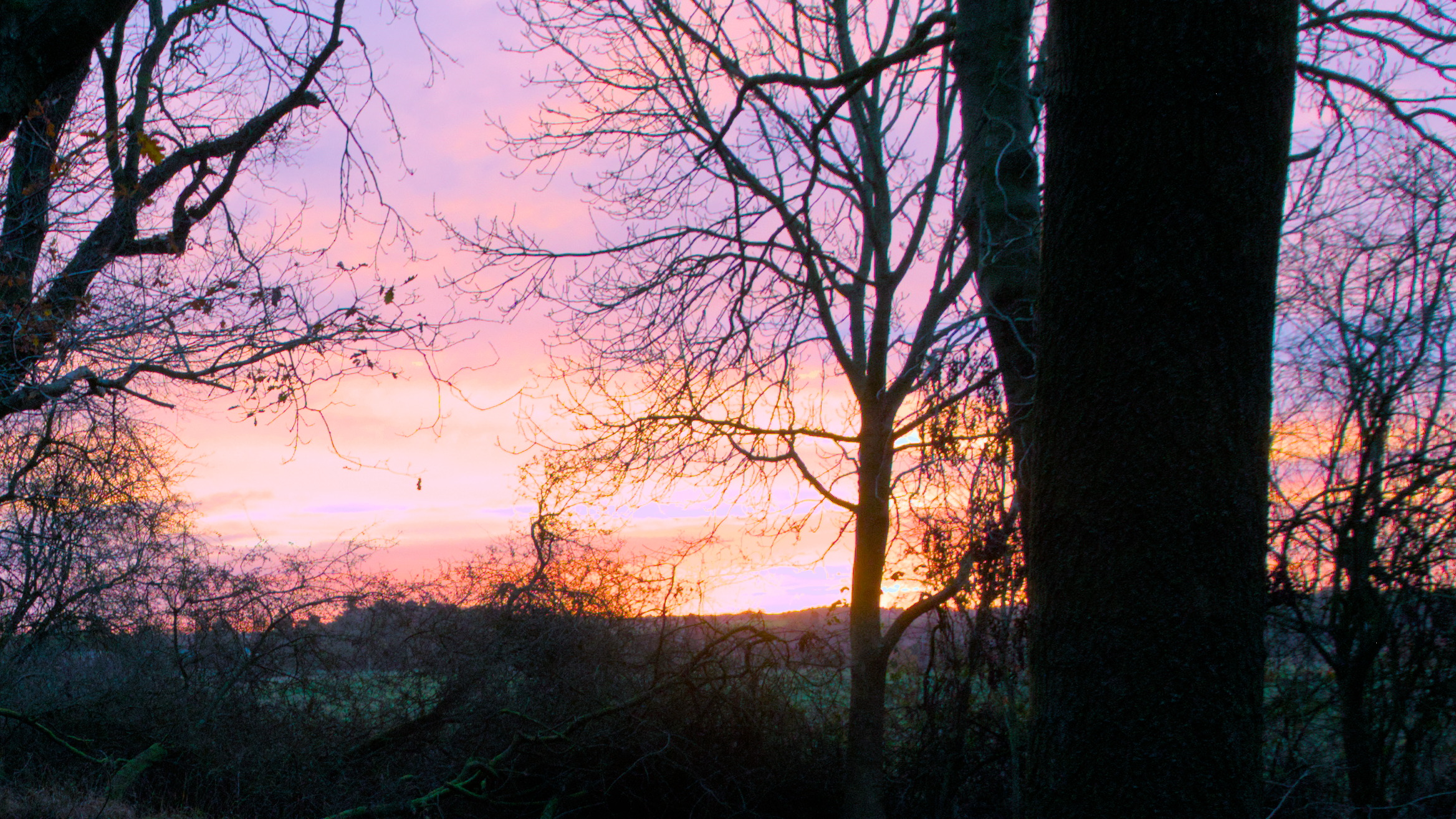
darktable with segmentation trying to smooth transitions:
Ansel with harmonic transposition combined with filmic reconstruction:
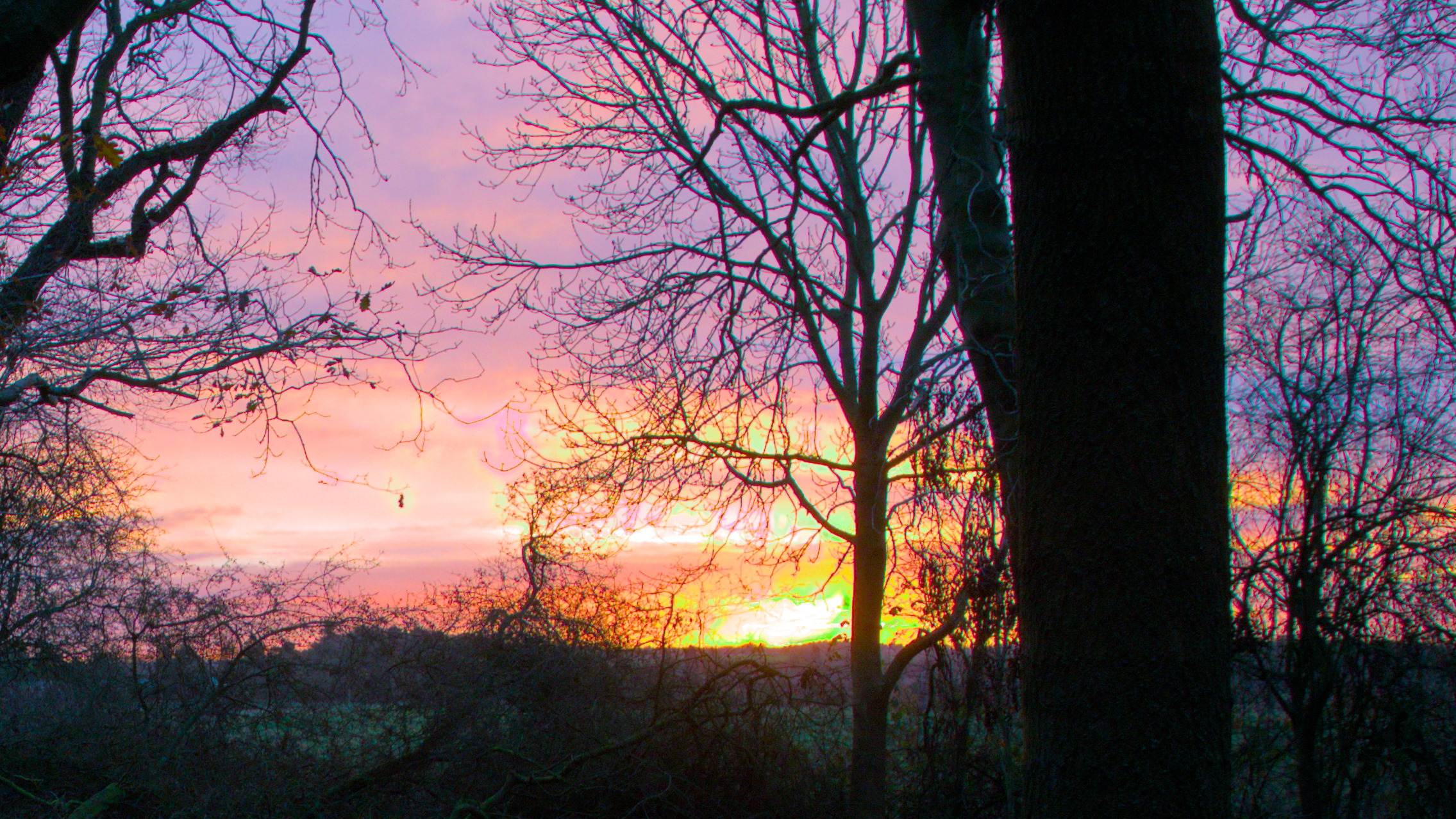
darktable with inpaint opposed, combined with filmic reconstruction:
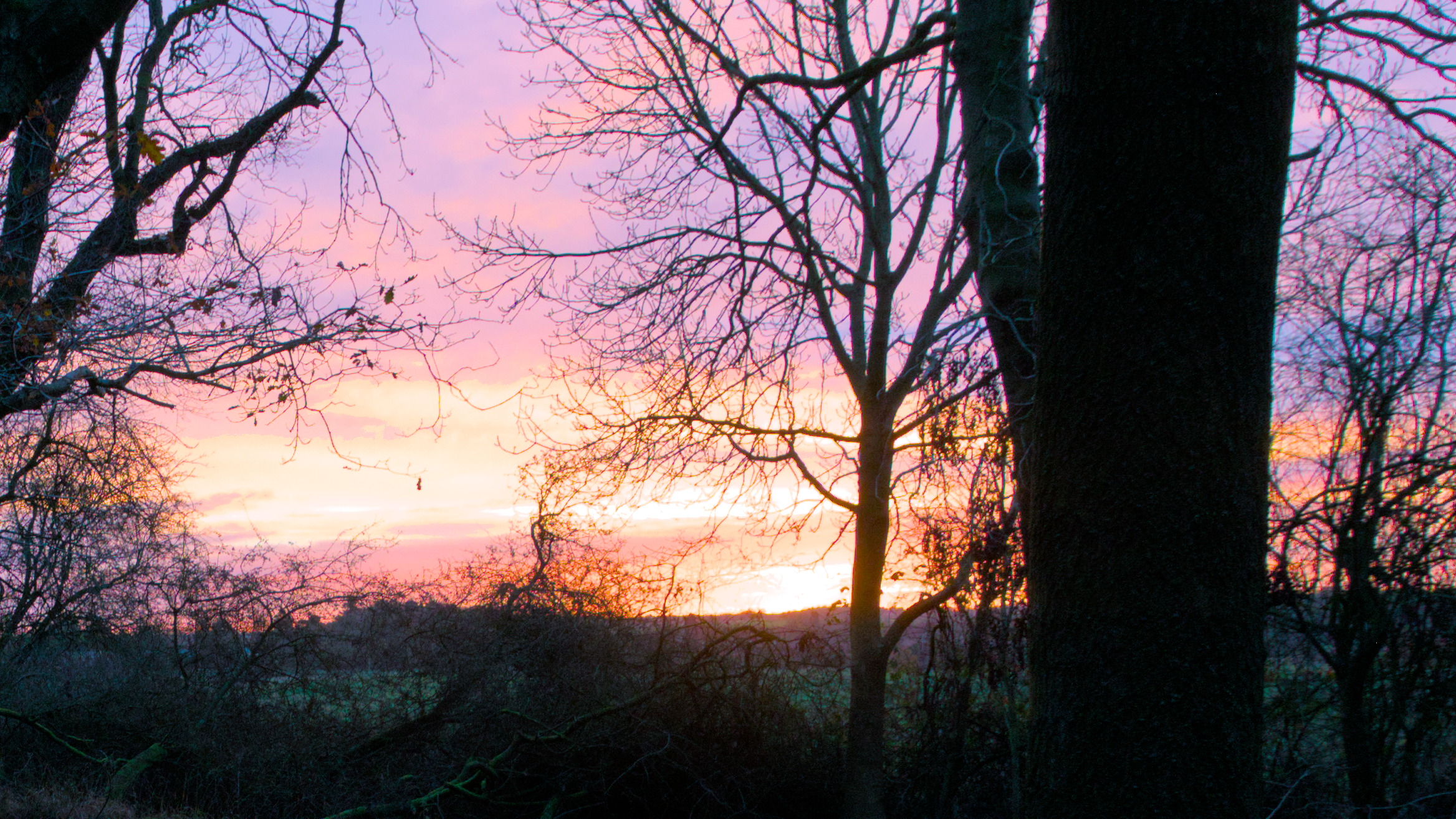
Harmonic transposition does appear to do a nicer job with the clouds - which matches what we would expect to see based on your given examples, where the images are smooth and colourful. But it also gives ugly magenta and green colours around the branches, making it unusable for this image.
Inpaint opposed and segmentation aren’t as effective with the colours or smooth transitions, but don’t have the ugly green or magenta, doing a finer job of the texture.
So it seems to me a case of different algorithms for different use cases, and would be good for a program to ship all of them. But it is exciting to see what harmonic transposition is capable of. 
Others may be able to obtain better results than me, the image is here:
1 Like
You clearly need to adjust filmic.
It looks like you have found a difficult image  The saturated-sensor area is large, and we can agree that none of the reconstructing methods are objectively doing a good job, except maybe laplacian but the correction seems to be monochrome.
Ansel harmonic:
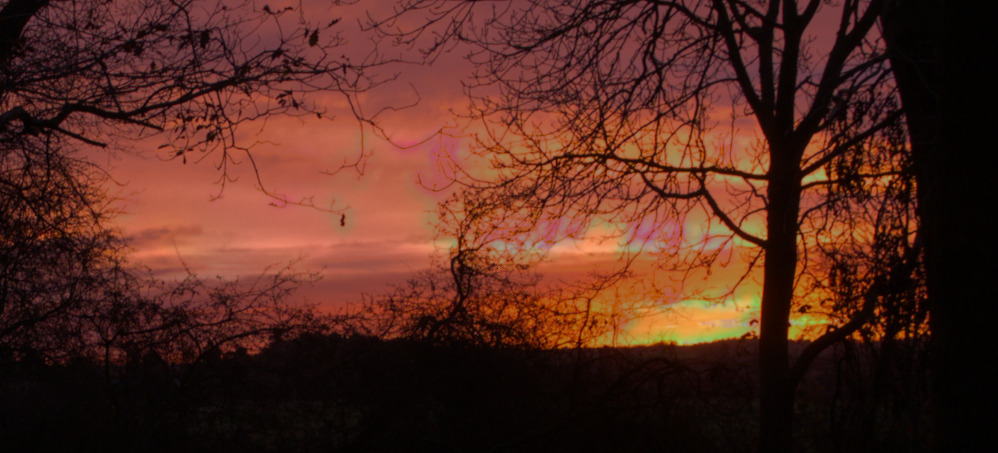
Ansel Laplacian (256 iterations at 512px diameter) :
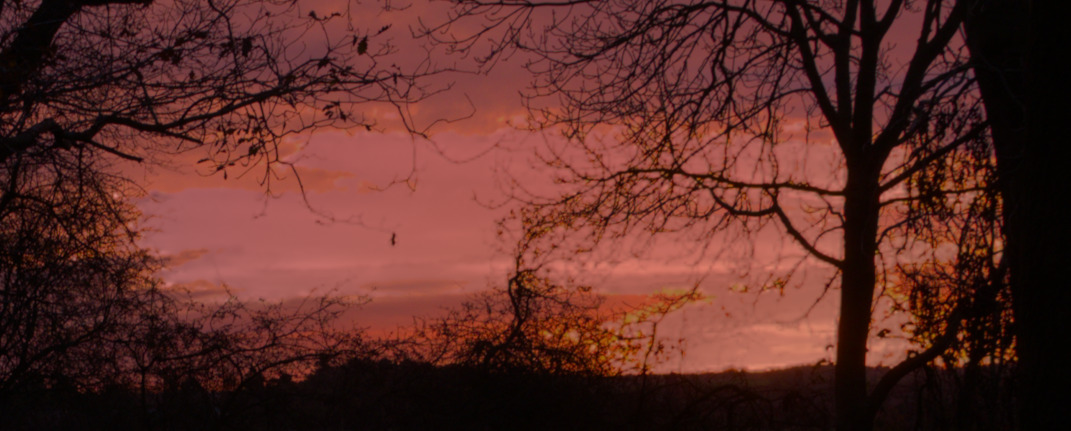
Dt Inpaint:
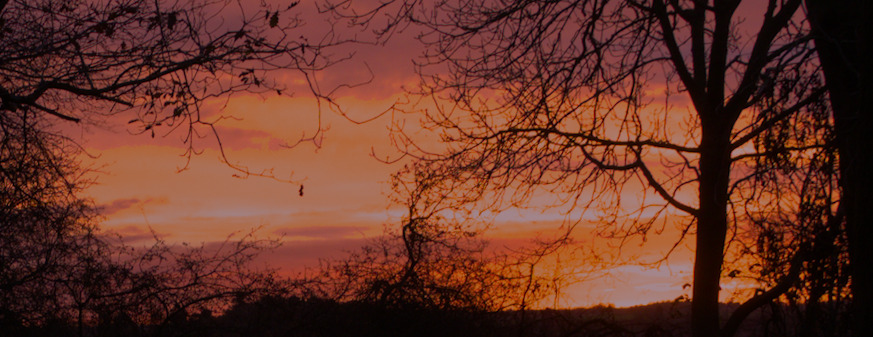
Dt segmentation:
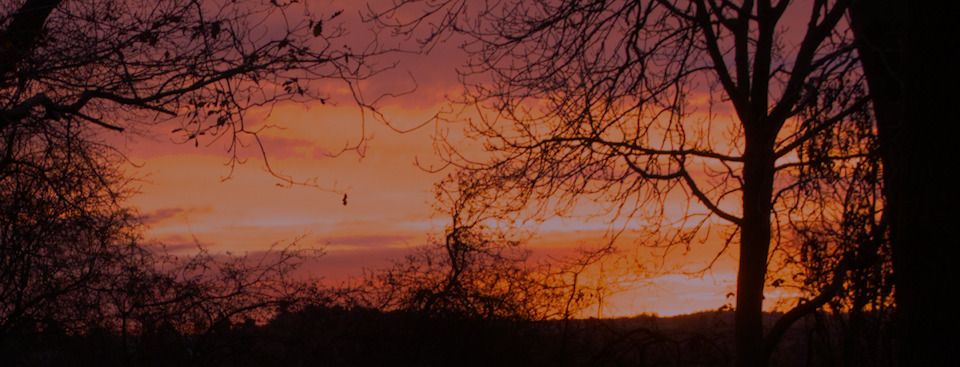
The threshold:
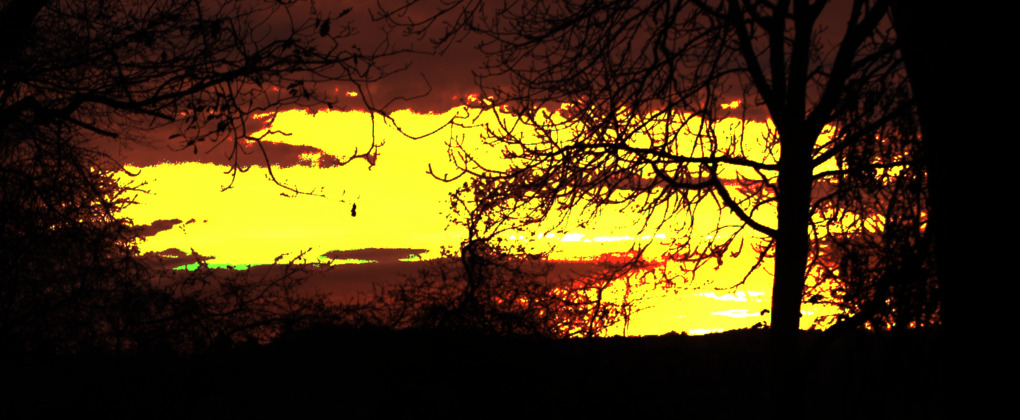
These screenshots were made without tonemapper and with a reduced exposure to have the highlights in exposure range.
What tonemapper was used in darktable ?