That’s essentially what Apple did with the iPhone 
Here are some:
That’s essentially what Apple did with the iPhone
Here are some:
I have some of those (LED-lit and flower shots) in my collection of test images.
There was that image I recall I think Boris used it or worked on it of a lady in this red dress lying on a set of stairs…I think it was around the filmic color discussions but that might be a nice one to try with AGX for comparisions…I will try to go back and find that one…
Hello,
I think you mean this photo,
https://www.signatureedits.com/wp-admin/admin-ajax.php?action=useyourdrive-download&account_id=103498887174941726250&id=1aUbaUq8TArNxWmjFSC-cE9uW8eUO-vVM&dl=1&listtoken=d8b65b66692c59f215d41b174d2a67af
Greetings,
Christian
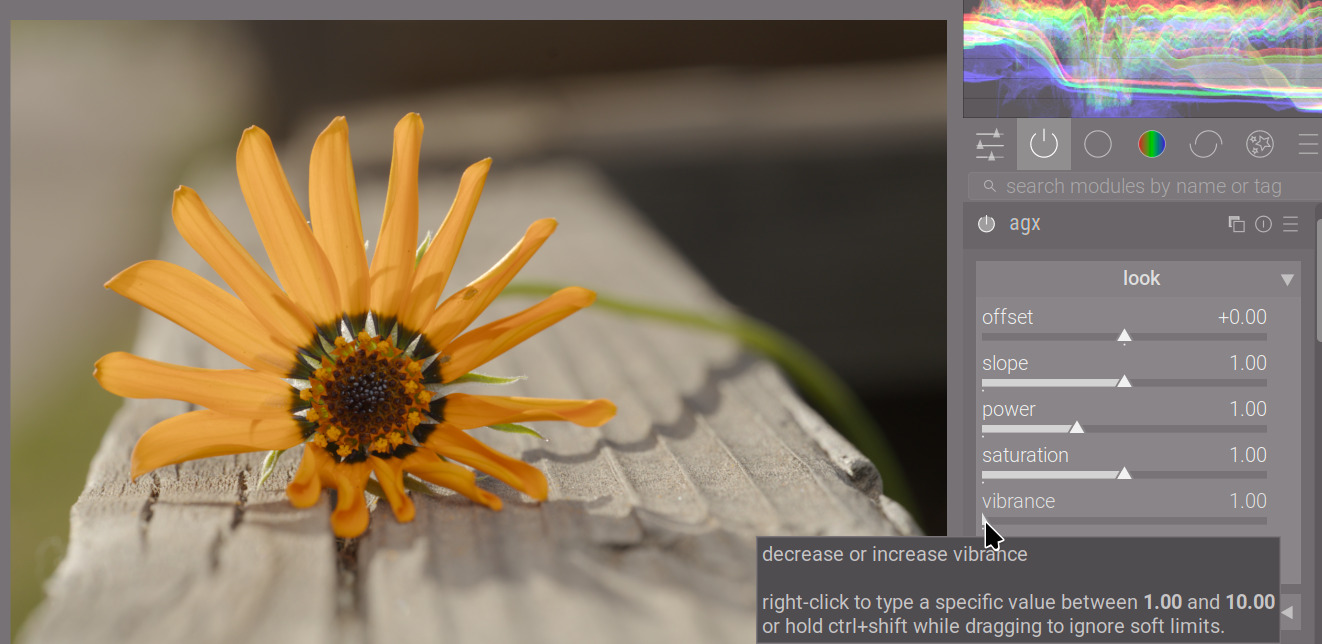
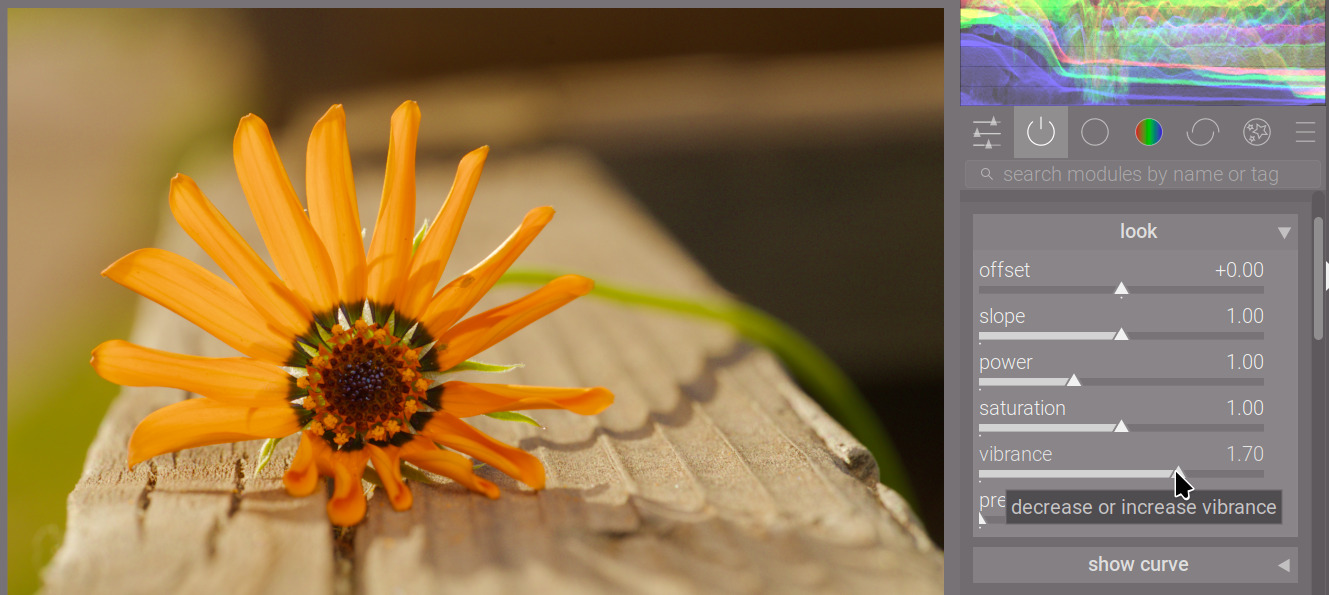
Thanks you are right…that link didn’t work for me but I scrolled and found it in the film collection I think…there were a few other good examples that could be tested that are not landscapes or concert…and yet there are some really vibrant colors…that image of the dress is image file000551, there is a good sunflower backdrop with a model and several other vibrant ones especially with models having dark skin tones and vibrant dress and makeup that would likely be good test shots to contribute to the “portrait” /human subject image type…
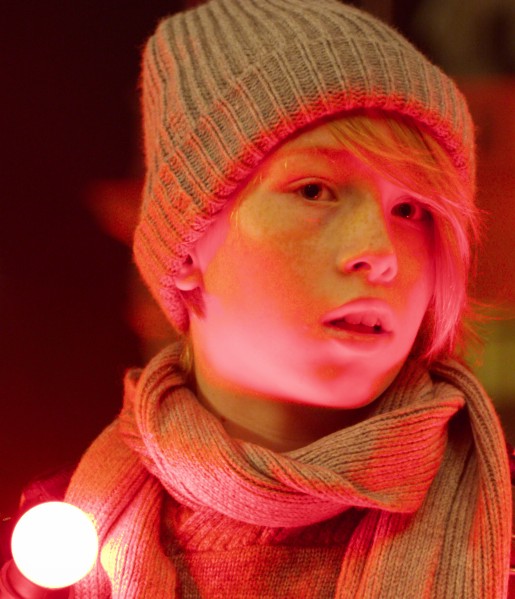
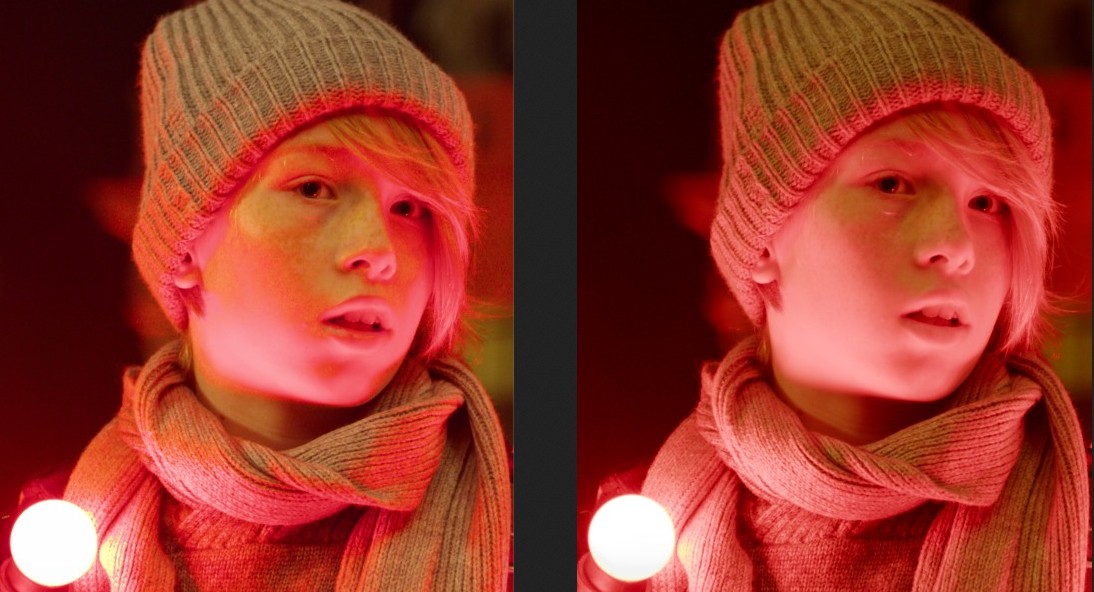
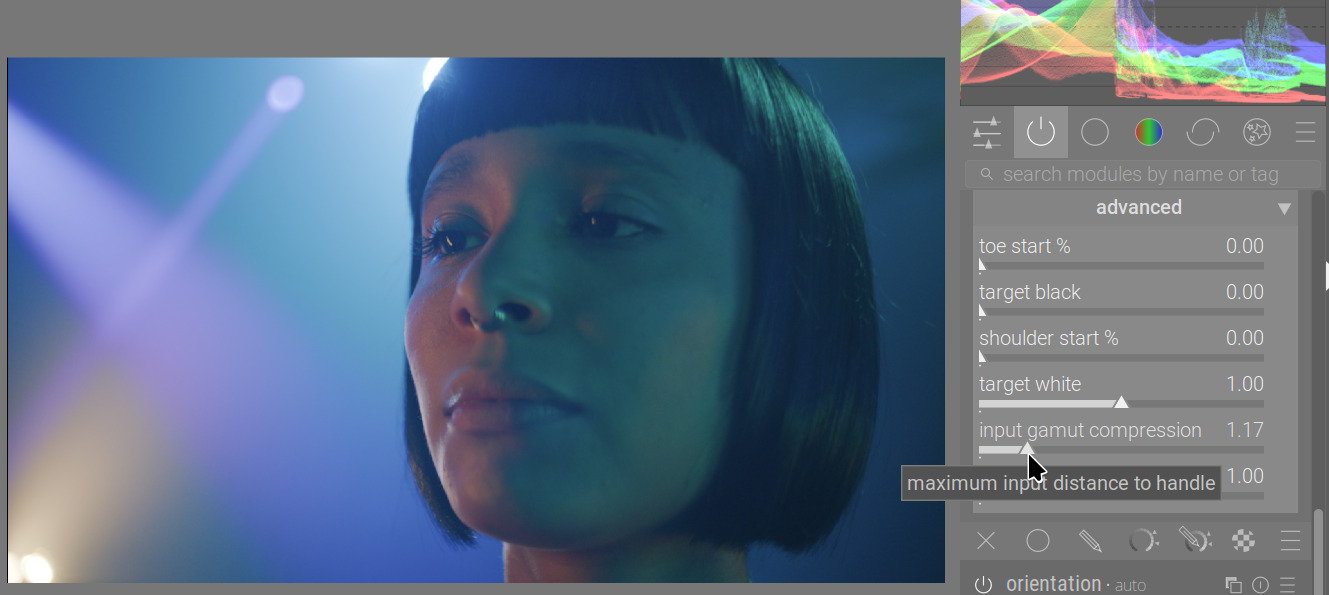
If you disable the tonemappers, you’ll see that there are harsh transitions, as there are areas illuminated by those lamps, and others illuminated by surrounding light:
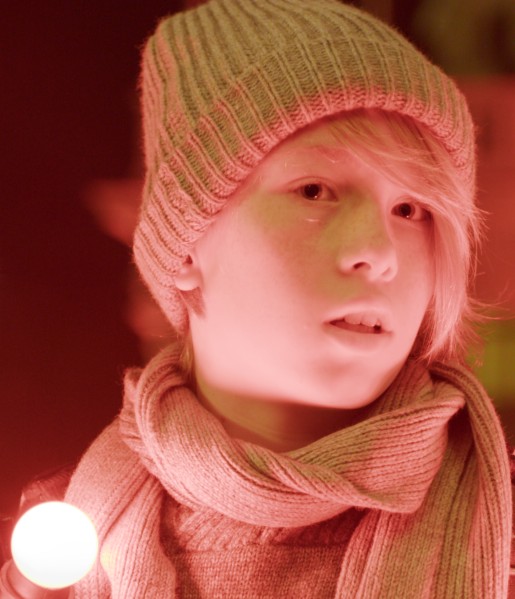
This is what sigmoid + smooth + sRGB and AgX produce on my machine:
AgX is much more desaturated, but the transitions are also less harsh, and the face is not purple.
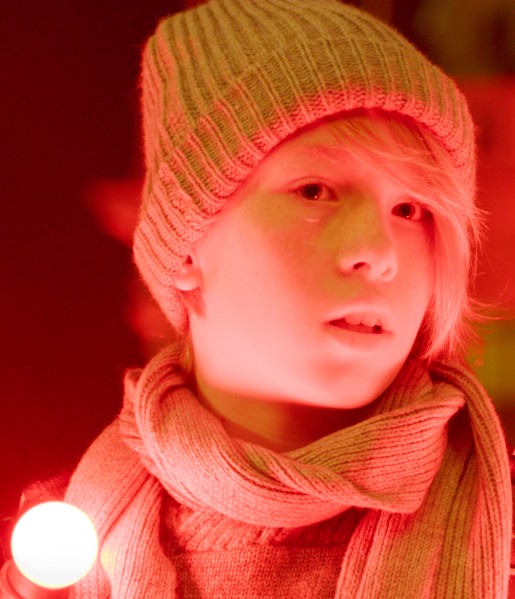
With AgX saturation at 2:
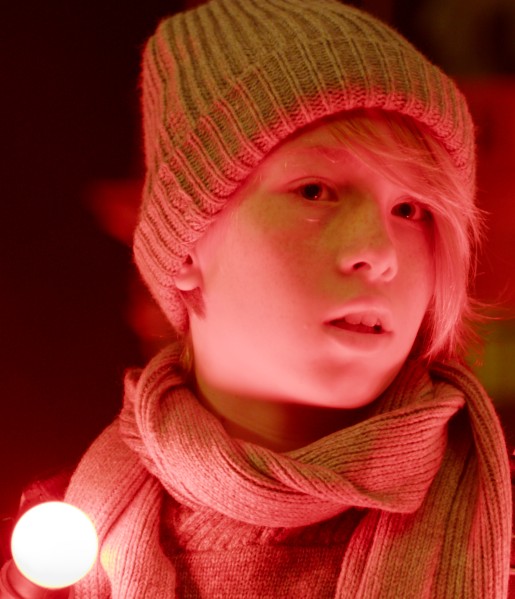
‘Punchy’ with gamut controls:
(The matrix stuff is still not done.)
Agx is looking good already 
How would be the matrix control design introduced ?
Would it be like sigmoid with a primaries tab, or maybe like you mentioned before it may have a seperate module at the very end with six controls ?
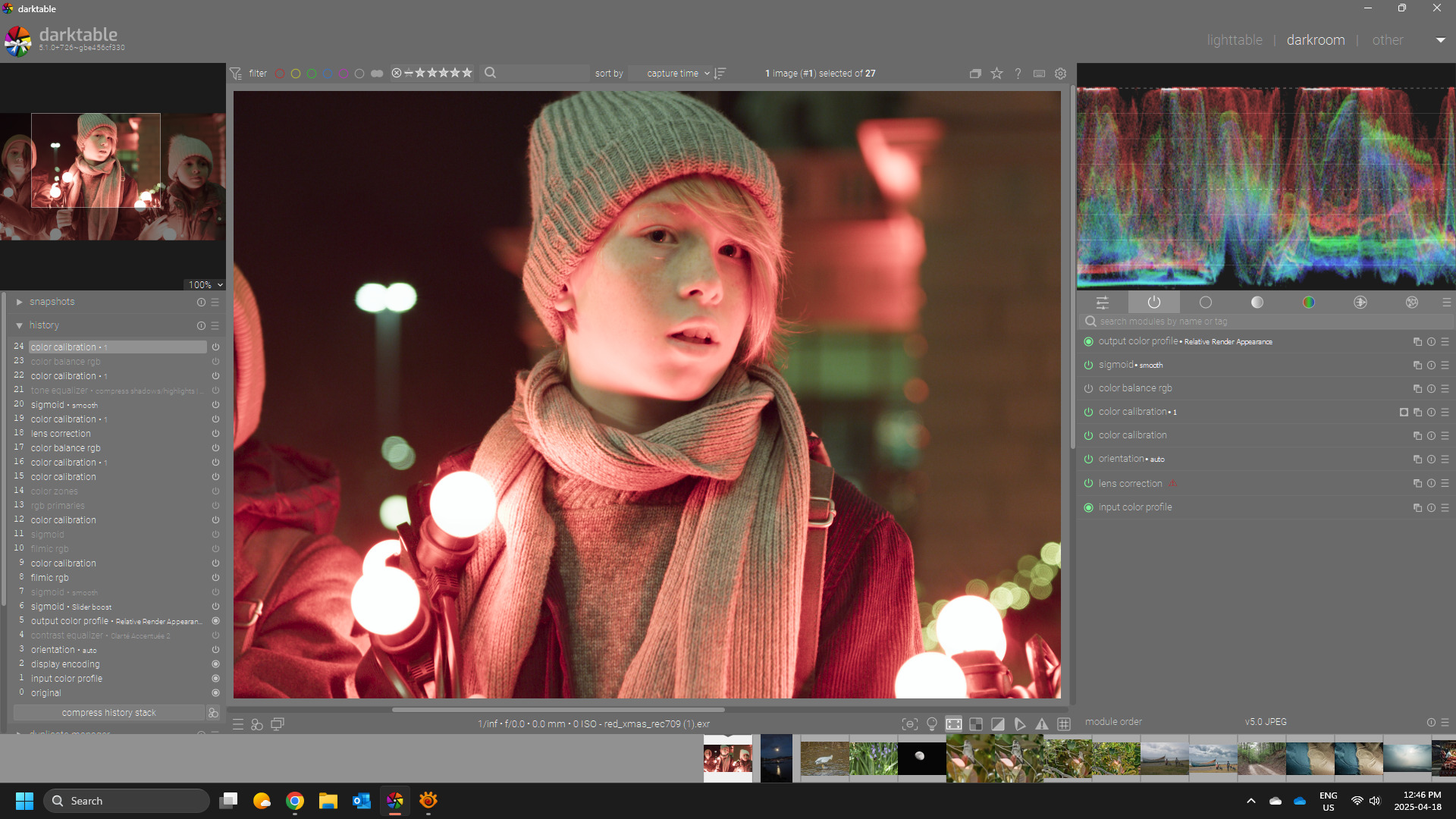
I had played with these same images my self. Looking at a side by side of your Sigmoid and AgX “punchy” edits:
Not only are the transitions on the child’s face better controlled, but I think the overall contrast and highlight roll-off is better in the hat and scarf.
Given that we won’t see AgX in the mainline for a while, I’ve been working to see what I might do with to better control these conditions when using Sigmoid or Filmic. I’m finding I can make improvements, but it takes a bit more effort than with this POC.
I highly recommend to try and do exposure sweeps from 0 EV to 6 Ev or so, to see the potential of Agx as it holds and does not break visually by creating a sort of sub-gamut where a certain threshold can’t push through or create a sort of a hole in the overall image. This is the concept of additive energy, it is cohesive to our visual cognition.You can read about it in his github Wiki.
Some time ago I did it with the blue light that you would use a second instance of CC and blend in average and start with opacity zero and work up. Here I set the red channel to 1 …it could be less but I use opacity to set the amount and then you can also try this in bypass or use the perceptual CAT and choose as in pipeline…
Here is one with only this tweak and the sigmoid smooth preset…
I’m sure a more sophisticated approach would be to use the color primaries in sigmoid with additional tweaks or to use the primaries…but again is we can avoid that or do less using the final AGX version even better…
Yeah, that’s nice. I’ll have to give that a try.
Blending in chromaticity might even be better or a different option as well… 25-35% opacity looked okay to me
It must be part of the module. The insetting and rotation of the primaries are needed to manage colour shifts and desaturation during the per-channel application of the tone mapping curve.
Super exited 
A new build:
As always, updated to the latest master version.
https://tech.kovacs-telekes.org/dt-agx/Darktable-5.1.0%2B766~gba2bc2f1e9-x86_64.AppImage
@Dave22152 / @priort , @MStraeten , please update the Windows / Mac binaries.
Happy Easter!
It works wonderfully.
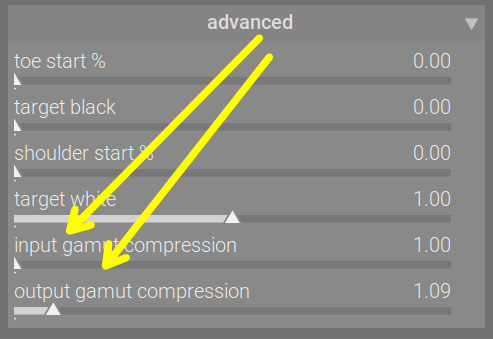
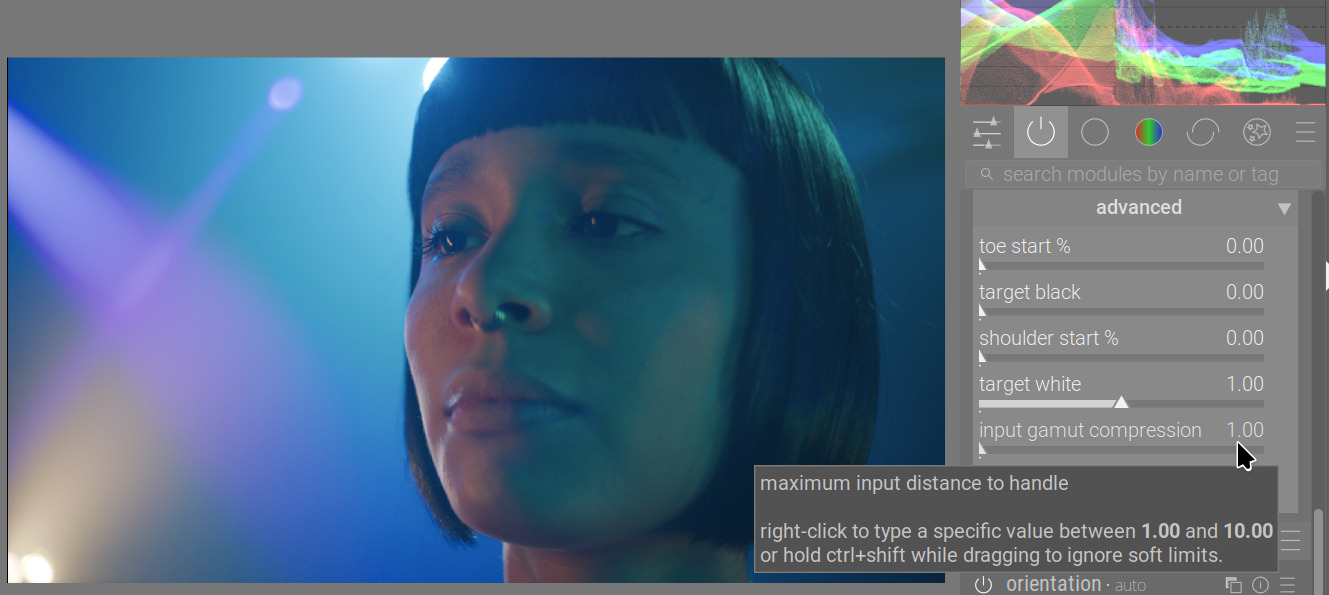
However, I wonder if we need to have input gamut compression earlier in the pixelpipe because all other color modules depend on it.
We have gamut compression in color calibration module but it does not work properly. At least I could not get as good results as with your version in Agx.
The other modules work in the much wider Rec 2020 space (or whatever working space one selects); this one tries to prepare the image for display, and uses the output profile.
That said, providing it as a separate module is no big deal.
I may remove it from AgX (technically, something is needed – logs vs negatives), but the matrix insetting (which will come, I promise) may make it redundant there.
There are actually 6 parameters:
The algorithms used is from Jed Smith: gamut-compress/docs/gamut-compress-algorithm.md at master · jedypod/gamut-compress · GitHub
Specifically:
Does anyone still need the old Linux AppImages? If no one reports the need to keep them, I’ll remove a few, as my hosting storage is now at 91%. (No need to report back if you don’t need them; please respond with the version I should keep if you need some of them to remain available.)
I would say no. I don’t think anyone would want to try all the previous versions. Maybe just leave the last two.
Here’s the link to the Windows executable for the latest version: