Yeah, the challenges of bird photography are pretty much exactly what I have experienced. With a few exceptions, the bird was always way too far away and usually not even facing the camera - I have plenty of photos of birds’ butts.
At 450mm equivalent, I was regularly cropping from 24 down to 6 megapixels to get a decent composition. The only exceptions were sparrows jumping around a cafe and tamed raptors of local falconers. Other than that, it was very frustrating
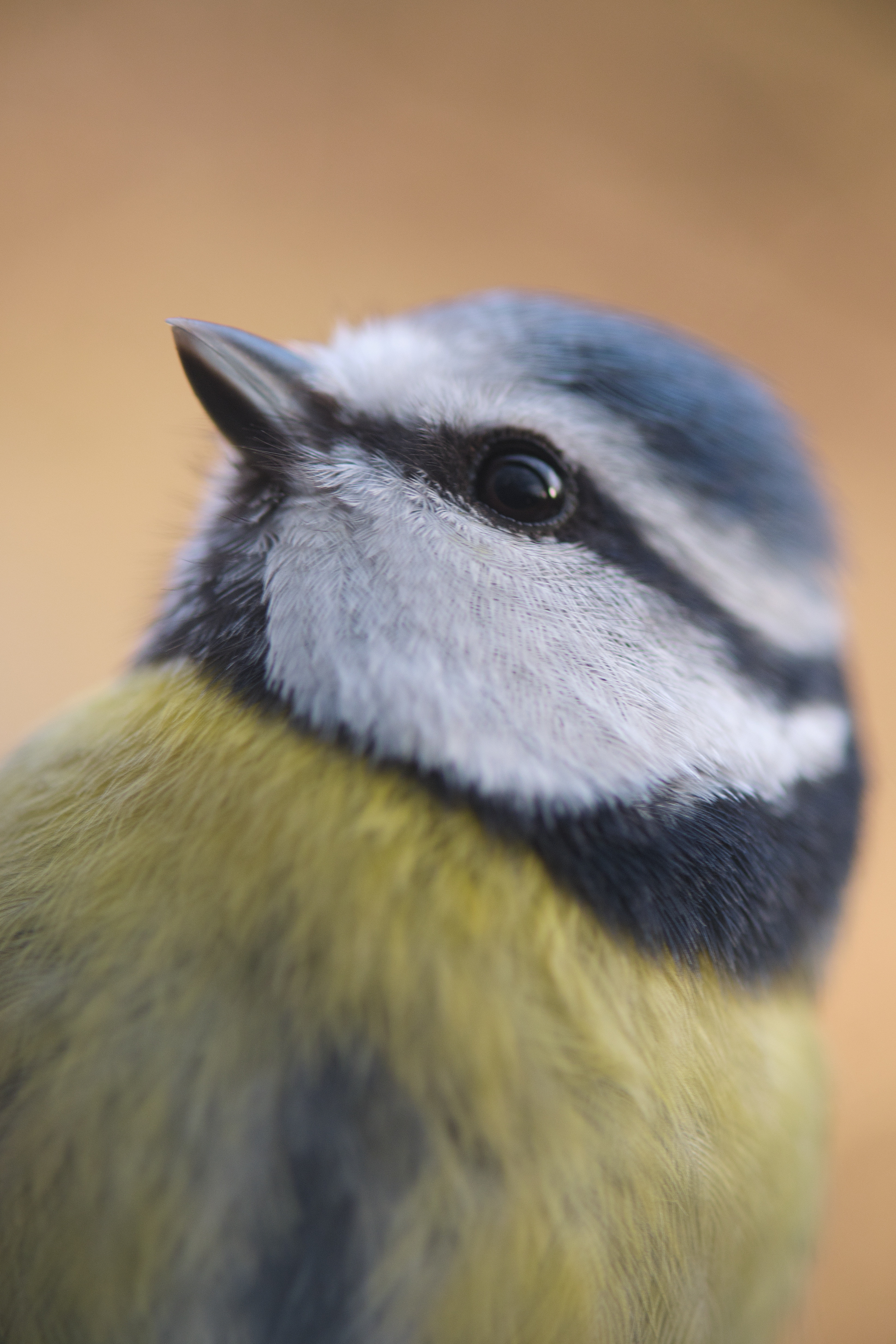
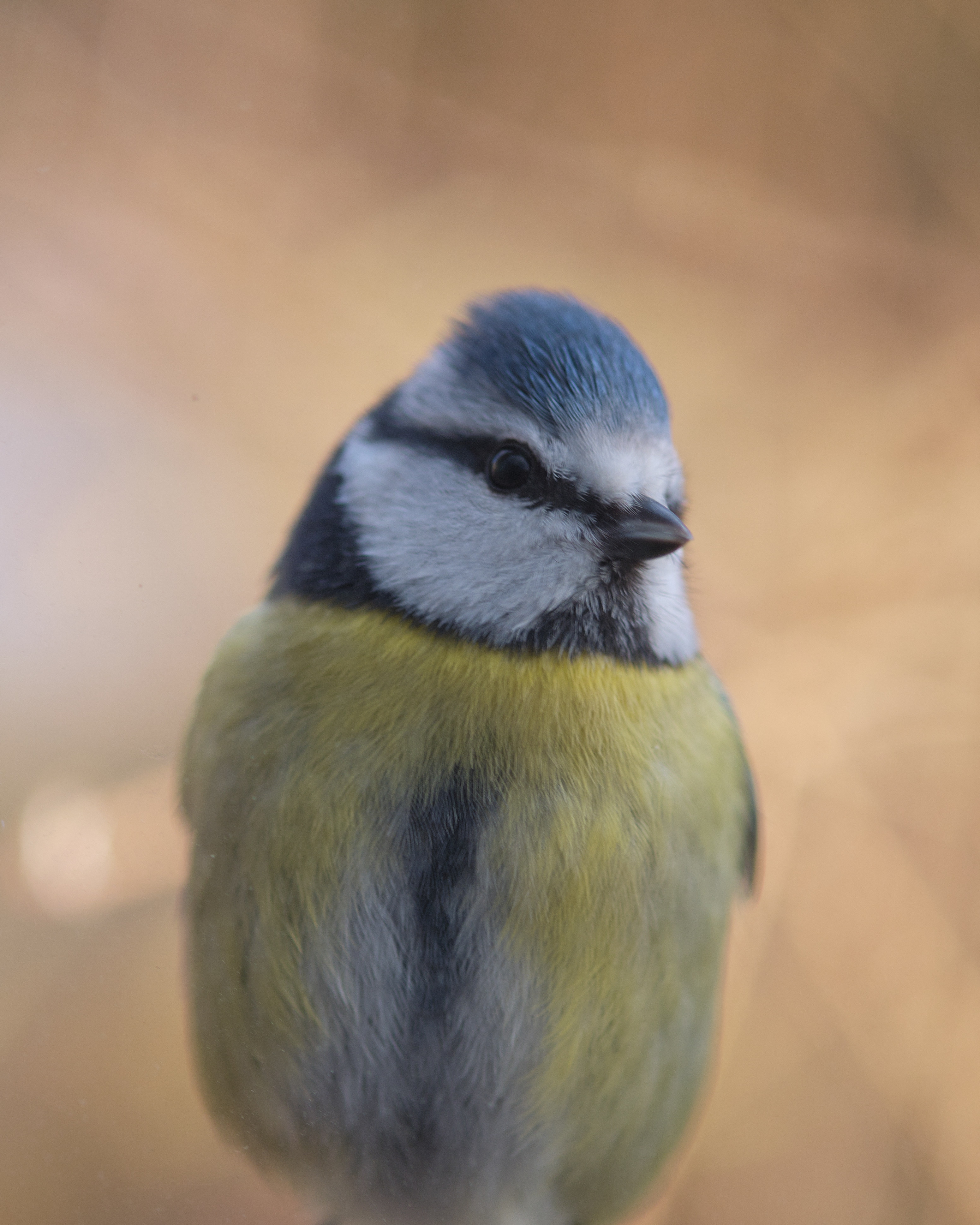
I think I’ve told the story before, of the little titmouse that I befriended in 2021: a few branches grew right outside my office window. In spring, a titmouse started visiting these branches. It looked into my office, watched me work, and continued on its rounds.
Over the next few weeks, it became a regular visitor. It learned that the window pane kept it safe. It learned that the big black camera pointed at it was not dangerous.
And so it happened that I could take portraits of a titmouse with my macro lens, just a hand’s width from this beautiful bird:
Of course I never fed the bird, nor betrayed its trust in any way. It seemed quite curious to watch me work. What strange animals we must seem, preoccupied with our digital gadgets and glowing screens.
Indeed. But at least over here (France) some have hides at their edge. And the Flamingo was taken in the Parc Ornithologique near Pont de Gau. That’s not really a nature reserve, but close to one.
Birds may need time to get used to these (up to days or weeks for the really skittish species). But a car can function as a hide in some areas (where parked cars are usual enough not to frighten the birds).
Unless you are a (semi-)professional, it probably comes down to making them accept your presence. I highly doubt the birds I photographed were unaware of me…
The ‘zoom’ is just a crop compared to full-frame. When cropping e.g. birds, it becomes mostly about sensor pixel density. Smaller sensors usually have higher density, for some reason.
Example: Canon R5 at 8k x 5.5x has about 52,000 pixels per mm^2, and the Canon M6 at 6k x 4k has about 72,000 pixels per mm^2.
(The M6 mark 2 is a pretty silly 97,000 pixels per mm^2)
Longer focal lenghts suffer more and more from atmospheric disturbances, so you won’t get sharp images under many conditions when your subject is far away. And of course you have the usual issues with weight and stability of your tripod (you need a tripod and head that can handle the camera+lens, and you have to transport all that material…).
But the “telescopes” for bird photography already exist: digiscoping, where they use a spotting scope.
Well, atmospheric disturbances don’t matter too much for wildlife, do they? Like you’re shooting something perhaps up to 50-70 meters away if you want a decent frame coverage by your subject. Architecture and landscapes is where the atmosphere plays a role, but I don’t think here, right?
You do have money to buy a longer lens - not for your camera, but for your phone.
While it is marketed as a 30x lens, it actually isn’t the one. The optical magnification is only 15x, and it will require you to use a 2x crop on your phone to avoid the black circle. Thus, the combined 30x for 3-4 MP pictures with a very significant chromatic aberration (correctable with ART).
They also have a (more expensive) “50x” version.
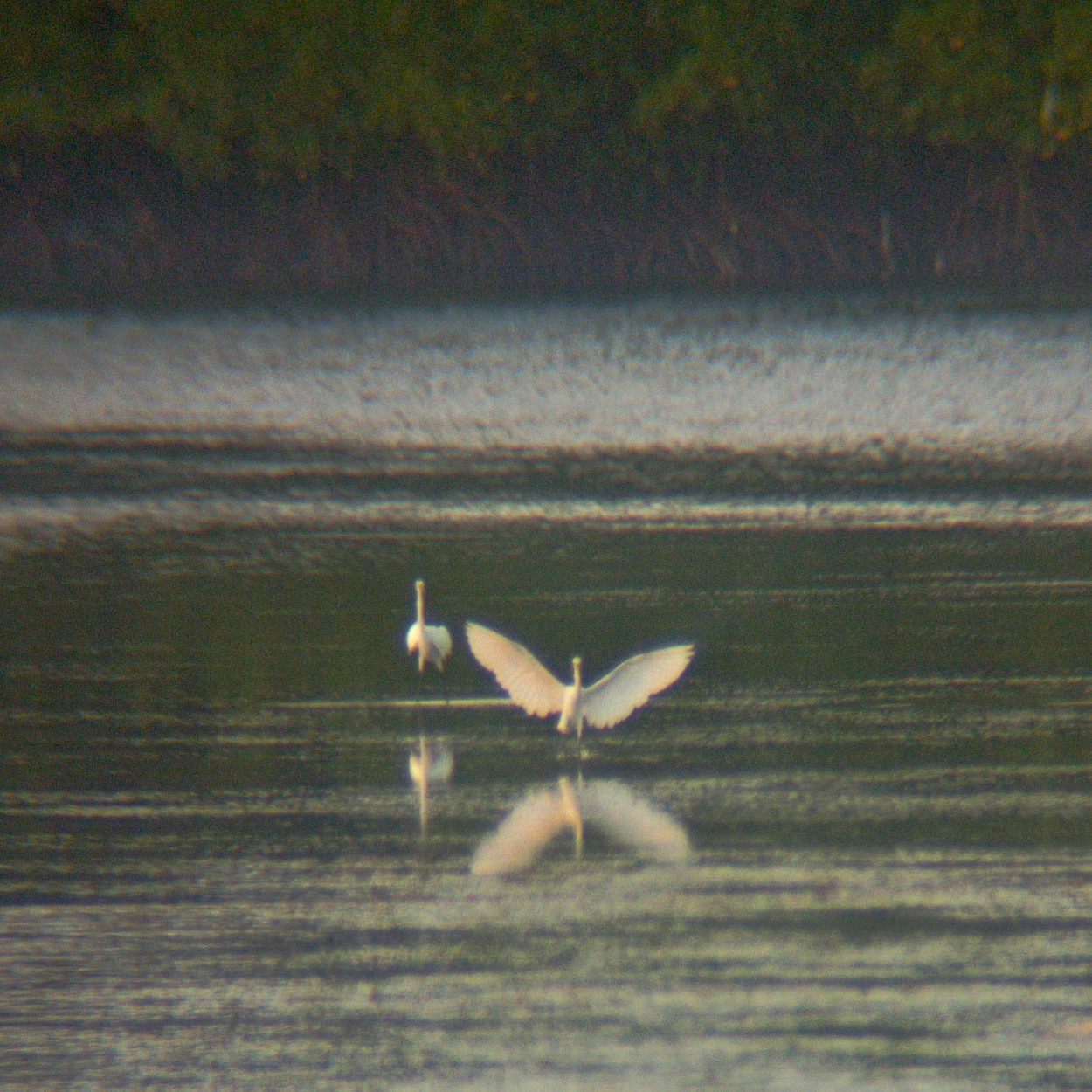
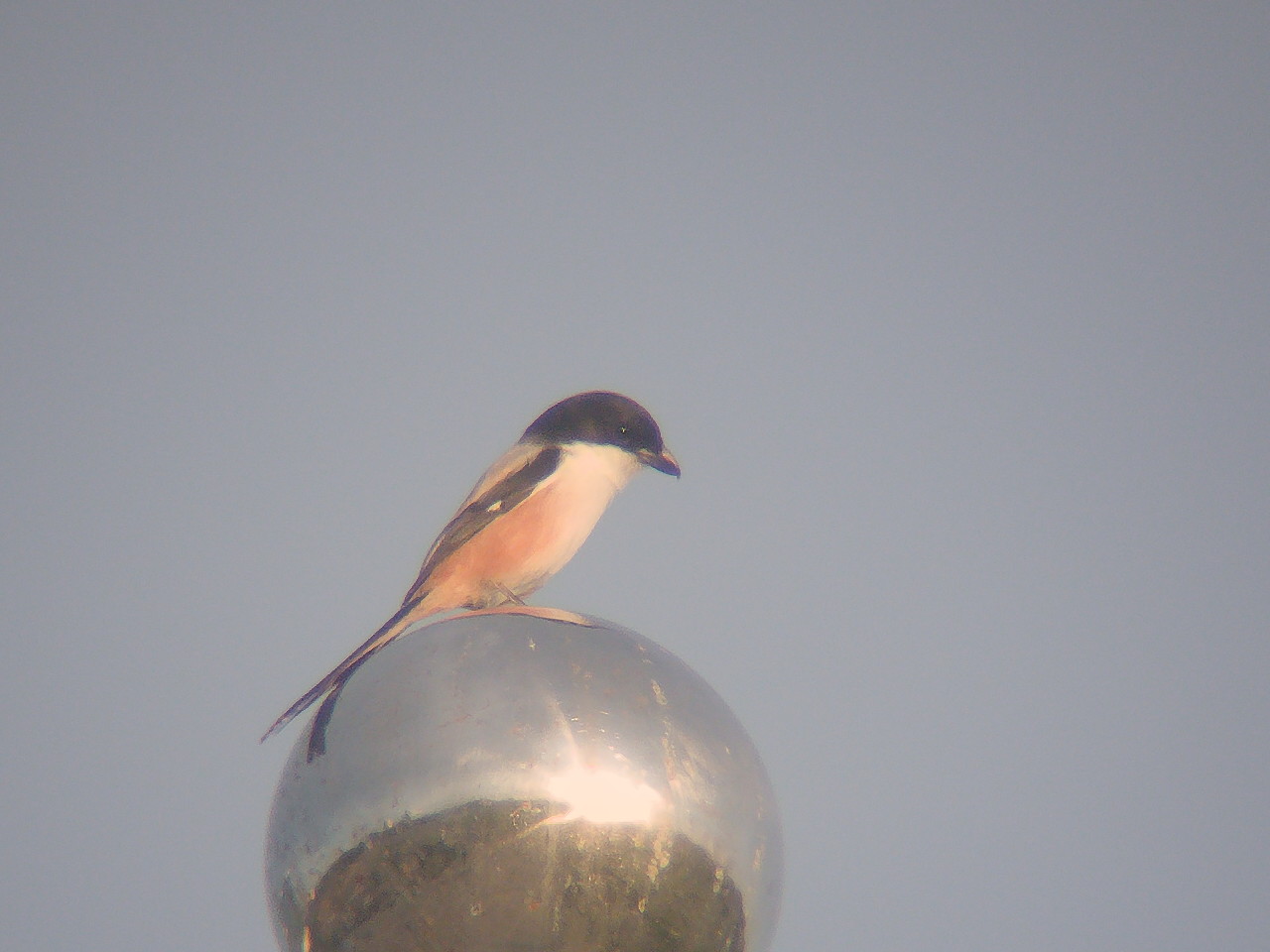
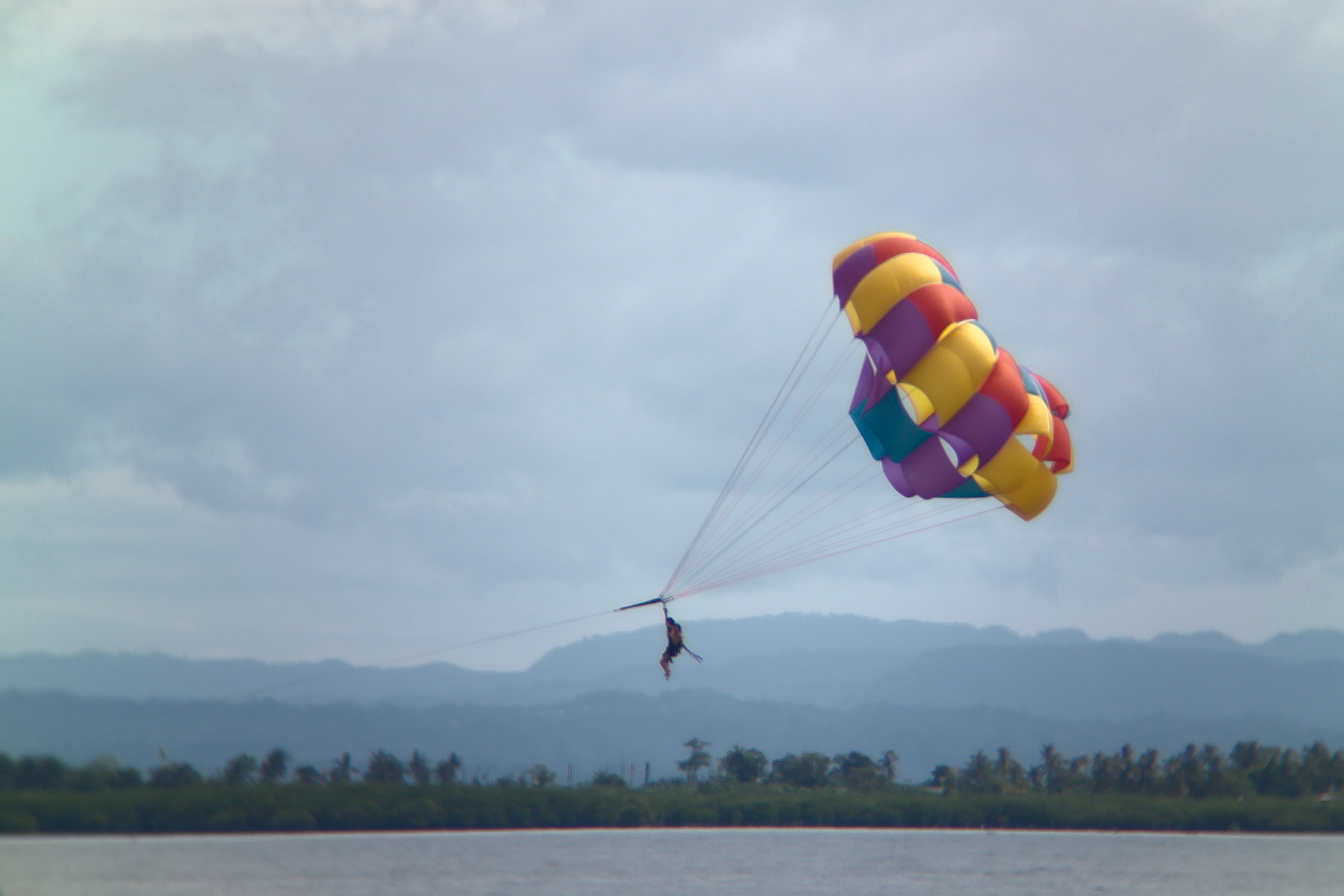
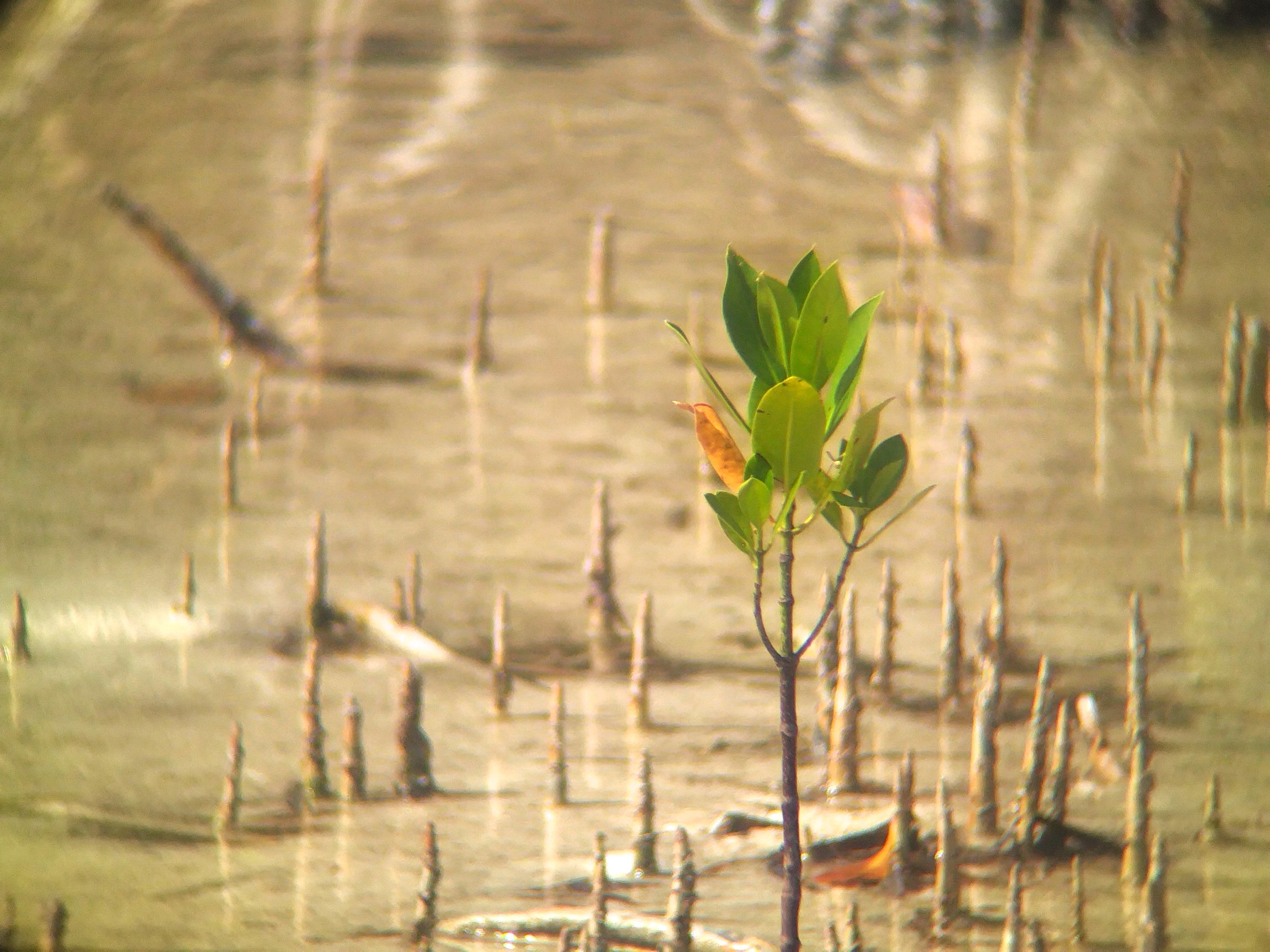
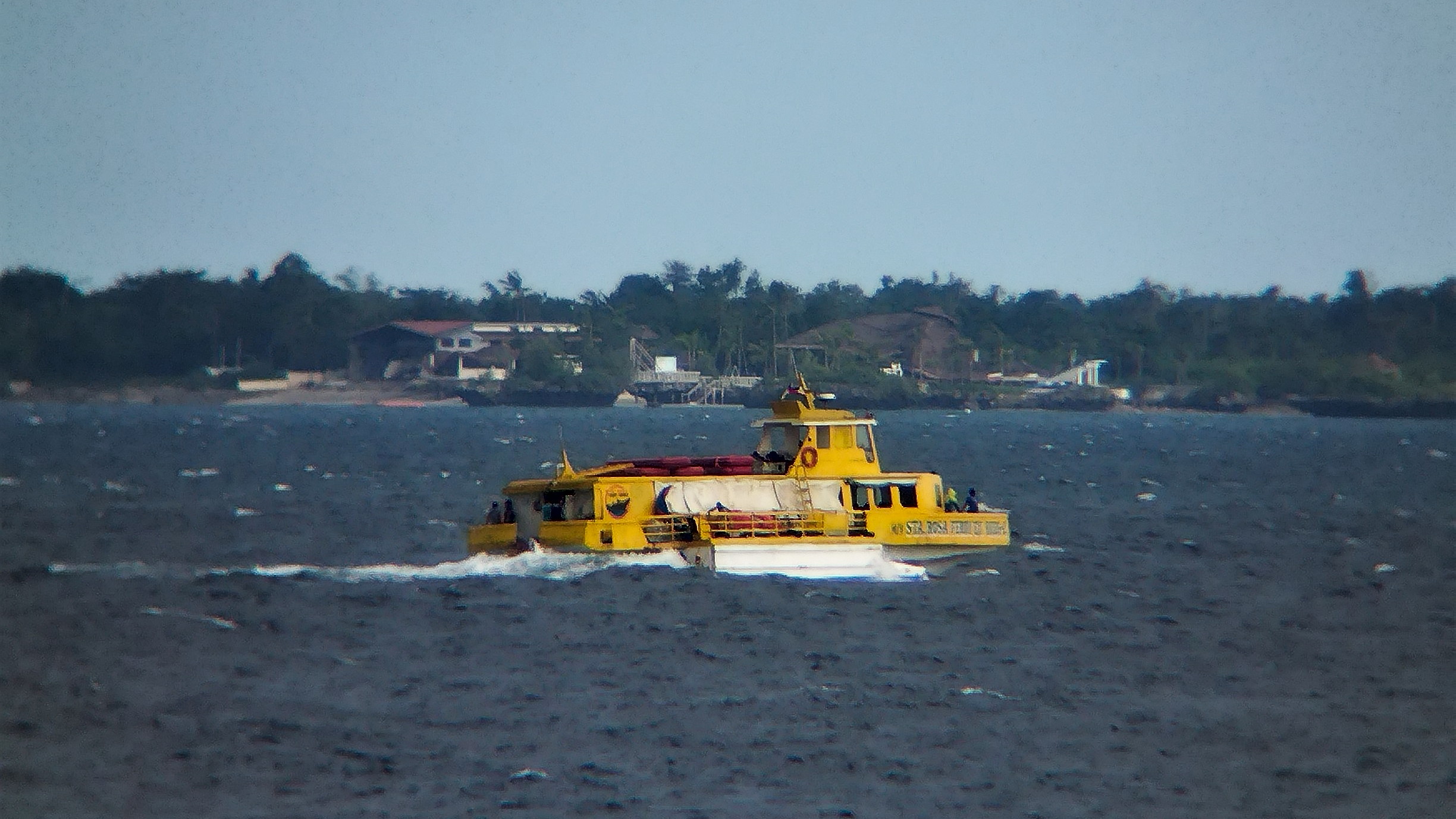
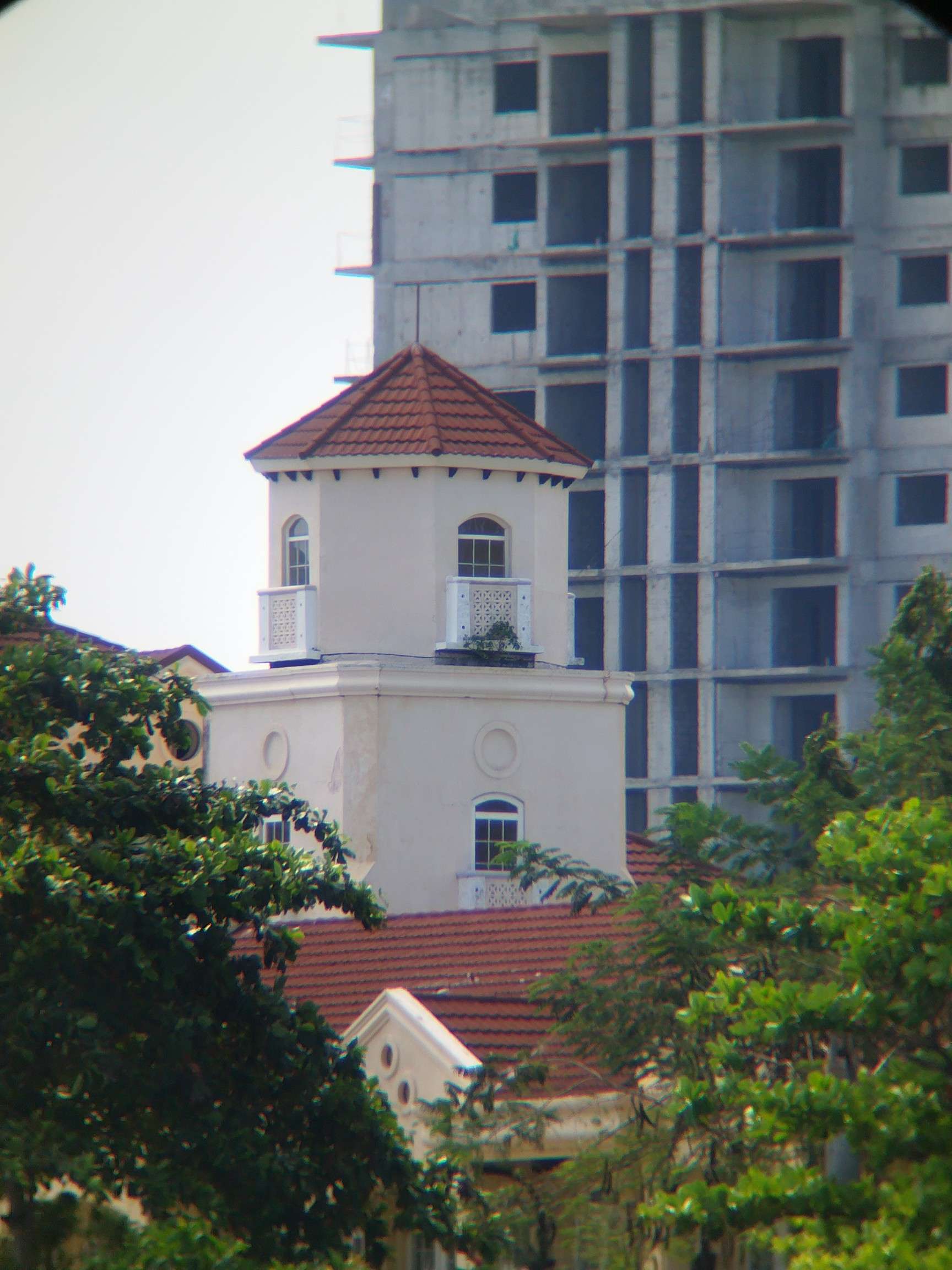
Here are some bird photos taken with this $90 700mm-equivalent* prime lens attached to a Poco X4 Pro 5G phone. The camera app used for all photos in this post is OpenCamera.
(yes I know it is not sharp enough - the autofocus seems to struggle with this lens, and using continuous autofocus is a good idea, which I didn’t know back then)
Phone RAWs will be available for playing if there is demand.
Warning: you will inevitably come to the conclusion that even a 700 mm equivalent focal length is not sufficient for wildlife photography. I do sometimes need all 3000 mm that my new bridge camera, Nikon Coolpix P1100, allows me to use. Yet, this much more portable 700 mm equivalent prime lens will definitely unlock something new for you, and I hope you will enjoy using it.
Wrong, I have quite a few where the disturbance was clearly visible (those were discarded, of course). The environment also plays a role, this was over a wetland area with low water levels, so you had a quilt of black mud and water. Your main subject is far away, and can be close to the ground: wading birds and such. With flying birds it seems less of an issue (but those have their own set of problems, like the speed with which they move).
Oh yeah, I’ve completely forgotten about heat distortions. I guess I’ve been mostly lucky so far when it comes to that. I was mostly thinking about haze, which tends to be pretty okay where I live unless it’s a hot summer day
But get the front element of your lens far enough outside of the car that the temperature difference inside/outside the car doesn’t cause heat shimmer.
(note: based on things I’ve read, not personal experience – I’ve never shot from inside a car).
I have done, indeed that are issues… or… hiding behind the car shooting over the hood; while the car engine was still hot… that’s how I have ruined my first shots of a bald eagle
“I don’t see why you feel the extra reach from APS-C vs full-frame is “illusory”
No different than an equivalent crop on a full frame sensor. Maybe too harsh a word…
I’m doing just that now, putting the F mount FF 70-300 I bought with the Z 6 on my old D7000 as the ‘reach’ rig when I shoot railway subjects. Saves the headache of changing lenses on the Z 6 and subsequently cropping in post.