My longest lens is a 76mm equivalent, I really want to take pictures of birds on a beach but they fly away whenever I get close and they are really small in the picture. I don’t have the money to get a longer lens, so does anyone have advice for getting close to animals without them getting scared?
When I took photos of falconers’ birds at 70mm, I had to be about two steps away from them to get a filled frame. That’s an extreme case and even in such controlled conditions I felt 70 is not enough. There is really not much that can be done in my opinion.
The shortest recommended focal length that I see thrown around is 300mm, and that’s already pushing it. It’s good to have at least 400, if not even 600mm to really get some good shots. Those lenses, however, get quite big and expensive.
Depending on your system, your best bet is getting something close to 300mm on long end
2 Likes
While a long lens is ideal, maybe setting camera on tripod near a bird feeder or something else that will attract the bird and using a remote control on your smart phone might help. My Olympus TG6 can do this well as I can see what it is photographing and control the camera. I presume your camera will be less flexible.
Another option is to sit and wait for the birds to come near you. Seagulls seem to like any scrap of food you have.
4 Likes
A number of birds such as gulls, ruddy turnstones and pelicans are pretty tolerant of people when they’re resting in the sun as long as you approach slowly and in a non-threatening manner. It helps to stay low to the ground and not stand over them.
Sandpipers usually move along the shore line pretty consistently, so you can get ahead of them and lay low to the sand and they’ll walk right past you. But they move fast so you need to be ready to take your shot.
Try to avoid moving directly towards them. They’re less likely to get spooked if you approach them at an angle. Watch their reaction - if they start making rapid head movements or flapping their wings then you’re likely too close and it’s time to move away.
There’s also a lot of opportunities for using shy birds as subjects for environmental shots, so you don’t always have to be close to get nice photos.
2 Likes
The birds note my presence, keeping a safe distance, mocking me.
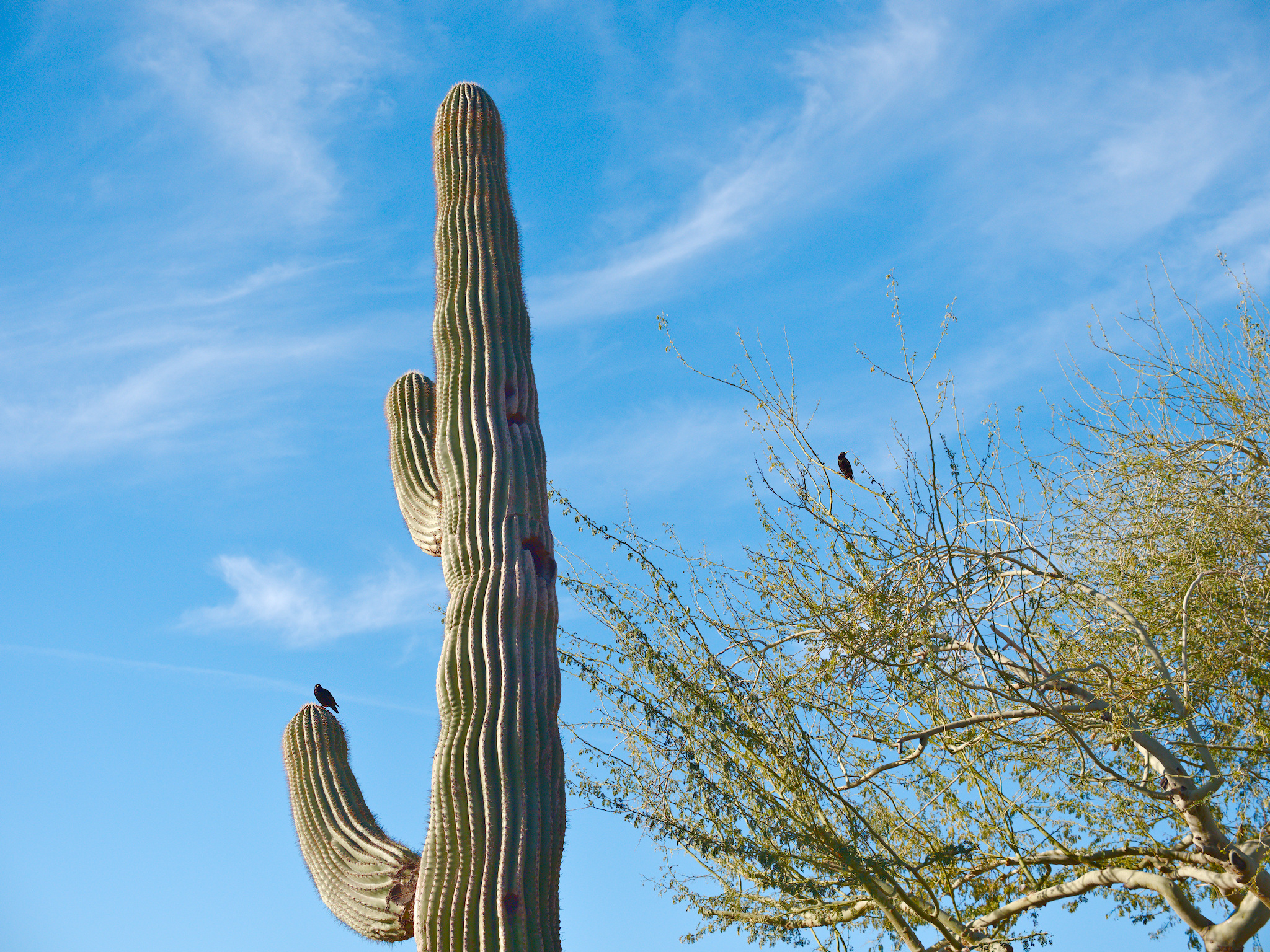
70mm equiv focal length.
But seriously, you have recently shared some great photos. My humble suggestion is to live with the constraints that you have. Often in life, the best outcomes come because of working creatively within constraints.
And maybe you will find a way to win over the birds that interest you. Good luck!
6 Likes
Maybe not the advice you want but you can get some pretty cheap glass, I think specially in you have a specific style of photo you want take it is super worth it to get the correct tool for the job. And you can find some more than adequade (great even) used glass for very cheap.
Check this Quick search:
Another option is to get some teleconverters but I find them more expensive than expected.
Finally there is always cropping, most cameras can crop quite significantly and still get good images (specially for the internet). You can set the zoom on the camera to already show you a chopped image so it helps with the framing.
Have you tried bait? 
2 Likes
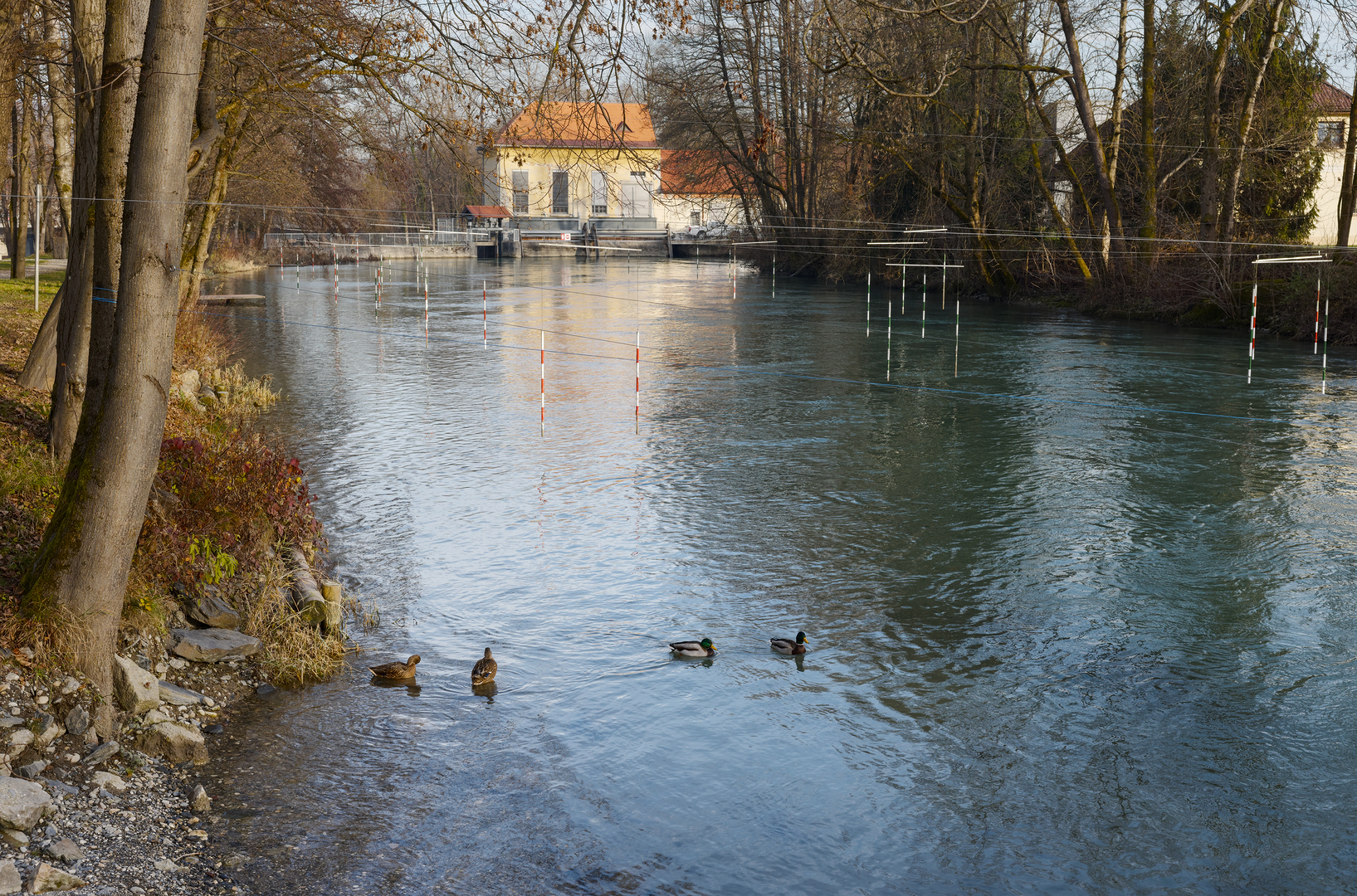
Occasionally some birds walk or swim in, when I am dealing with the camera settings, it can be quite adventurous!
For my little hummingbird campaign, I have a 70-300mm lens, and I cropped aggressively. Yeah, I’d say 300mm is bare minimum. Teleconverter might be your friend. In high-school, I watched the yearbook photographer try to shoot football with a double-lens reflex, normal focal length, anticipating cropping to get the shot. Didn’t go well… You don’t need a zoom, and third-party telephotos work pretty well, I’m told. Oh, and teleconverter is your friend. I think I already said that.
We have a honeysuckle vine wrapping around a front-porch column, and a couple of them periodically visited it and made the rounds of the blooms all day long. I sat in a chair about six feet from the vine, hand-holding the camera/lens with my elbows propped on the chair arms. I’d point and focus on one promising bloom cluster and wait, finger on the shutter button. When one would show up at that cluster, I just started firing. So, setting up to minimize movement, pre-zooming and focusing.
If your camera is APS-C or (maybe?) M43, you get more illusory ‘reach’ from the same focal length vs full-frame.
2 Likes
For 76mm (equivalent):
- let the birds come to you (works in places were people are often present and where there is no hunting: beaches, parks and such);
- don’t expect any of the smaller species to approach close enough for a decent picture (try with an object of 15cm to get an idea).
This can work for species like gulls and ducks, which get used to humans easily (food!). Be careful with the larger gull species, though, they can get aggressive, and that beak is a decent weapon. It’s one of the reasons some towns forbid feeding of gulls.
With a 450mm equivalent (300mm and 1.5 crop factor), you have a lot more options. Even then, for species like blue tits you have to be at about 3m or a bit less.
For some species you have to go even longer, and/or use hides. E.g. (European) kingfishers are beautiful, but small and (at least in my area) fairly shy… Then cropping does come in handy.
And with any lens/method, you will also need patience (and lots of it).
@ggbutcher : I don’t see why you feel the extra reach from APS-C vs full-frame is “illusory”.
3 Likes
If the longest lens you have is a 76mm equivalent then the best option you have is a zoo or others places where they keep birds like at falconers.
Another option you have is to create a place with you can fit comfortable and be very quit and are unseen by the bird, and very close in to trees / bushes. like in a bird blind. Of course this does not work on the beach.
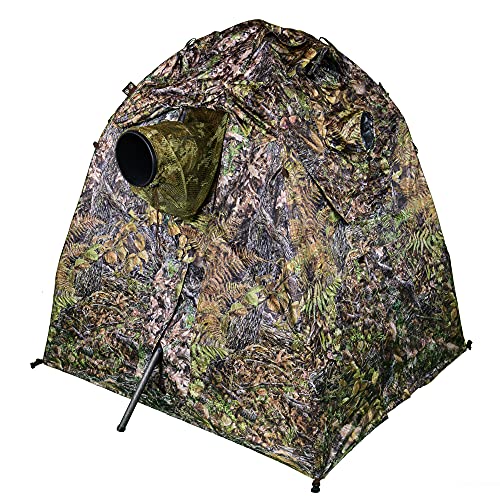
76mm is hardly telephoto. Only in very rare cases birds will get close enough for a 76mm… The truth is… 76mm is not suitable for bird photography. As @Vente argued 300mm is already pushing it.
I am very happy owner of a 600mm lens. But even then It is often hard to fill the frame, especially if you want to take pictures of small birds.
And please, don’t be fooled. Bird photography is one of the most difficult forms of photography.
- You are out in nature and you thus have not much influence on the conditions of the light, except from the time and place you go. But the sun can hide, the bird can stay in shade and tons variables that affect how well your subject is lit.
- You have no control over your subjects, they move, they have a will of their own. You cannot ask to pose, they are going for place to place (so today they are here, tomorrow not). And they for certainly will not wait for you to take a picture. No some birds are very shy and the moment they point a camera them the are gone.
- Birds, especially the small ones are very fast. So you have high shutter speed and since often you are battling the noise in your pictures.
- You are in nature, so exposed to the elements, and so is your camera.
- It is rather technical. You are constant switching shutters speeds, dealing with auto focus systems switching between the various modes. So, you really, really have to know your camera. There are whole books to read about how you used your camera the best for this.
- Because of the distance, regularly you are struggling with atmospheric conditions. When you see haze or heat waves, your eye compensates for that… your camera does not. But if you have never shoot > 200mm you are not really aware this is happening in the sky.
- And… you also have to be able to find your subjects! Especially if you are looking for less common spices.
But because it so demanding… the camera’s and lenses are expensive!!
But it is an extremely rewarding form of photography! When you come home and you see the pictures… rewarding :-).
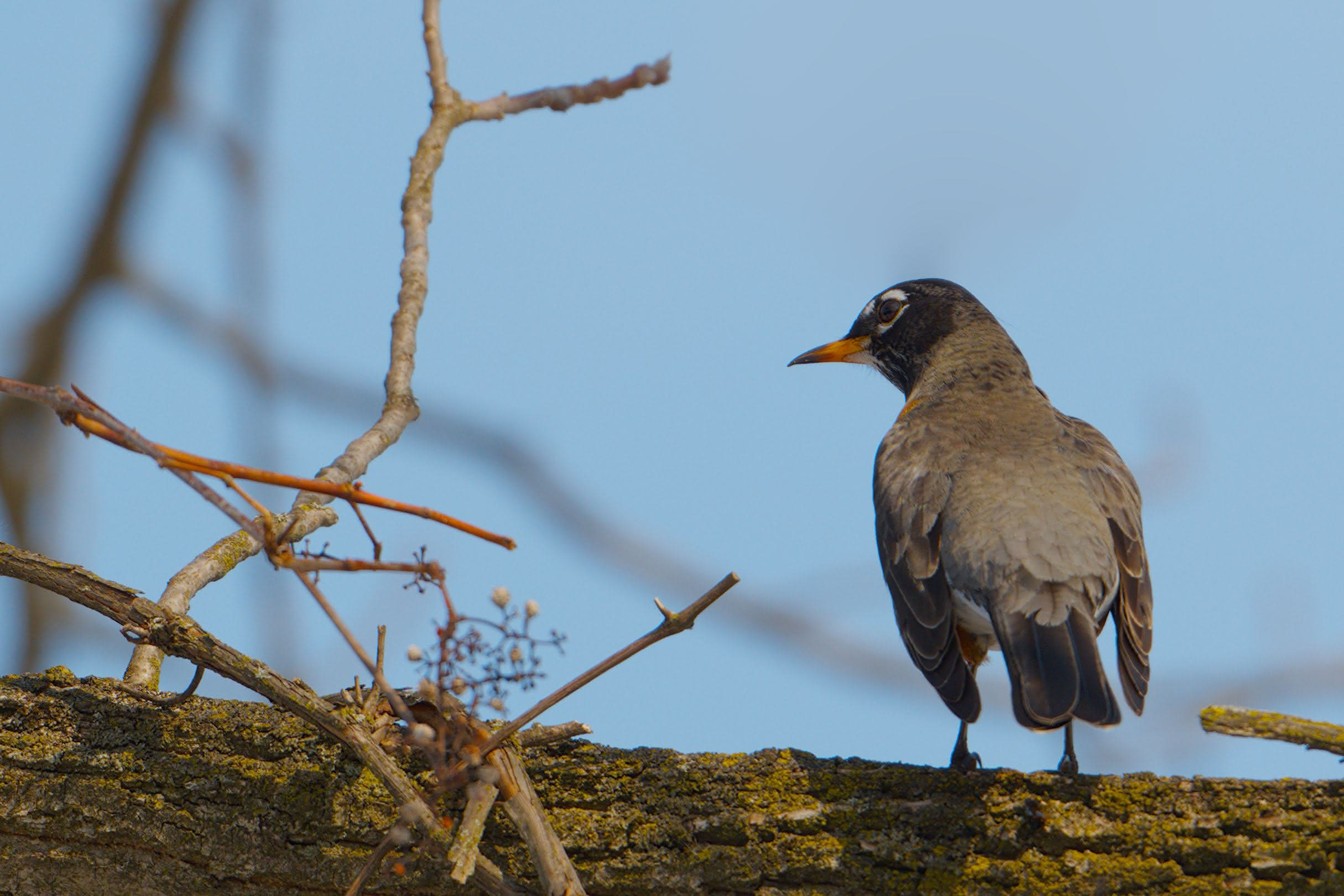
So example what happened here… of course… the bird had to turn his face into the shade…
Can you share what camera you have? Because maybe there is a cheap way to get longer lens…
Neither do I,
I switched from an APSC with a 200-500mm F5.6 lens (so a 700mm equivalent) to a full frame 600mm F6.3. I absolute see that I had more reach on the first combo.
But now comes a bit the controversial part. There is a difference in aperture. We measure the F-stop for the lens. So the physical aperture of the lens does not change.
However given that the sensor is smaller, you get a narrower field of view, so in the end, on a APSC camera, less light will hit the sensor (compared to full frame) and you have a bit less dept of field.
So, I have done comparison. F6.3 on my full frame is more or less the same as F4.5 on my ASPC. So I have less battles with ISO, so it is easier in low light situations. Also the sensor is less sensitive for noise and I have more pixels. So In the end it is a big step up.
But… I miss the 100mm extra reach…
2 Likes
That depends on what you want to do, and how far you want to take it. Lenses are expensive, because they need a lot of high-quality glass and precise manufacturing, but also because the demand is low (they are hard to use and have a limited domain of application).
On the other hand, there was a time where a 300mm was already quite a lens. But that was in the “film era”. Since digital started, prices have come down and possibilities went up… So getting good images with 300mm is possible, it’s just a lot harder and more time consuming.
And you won’t get the image of that rare songbird hiding in the shadow at 30m…
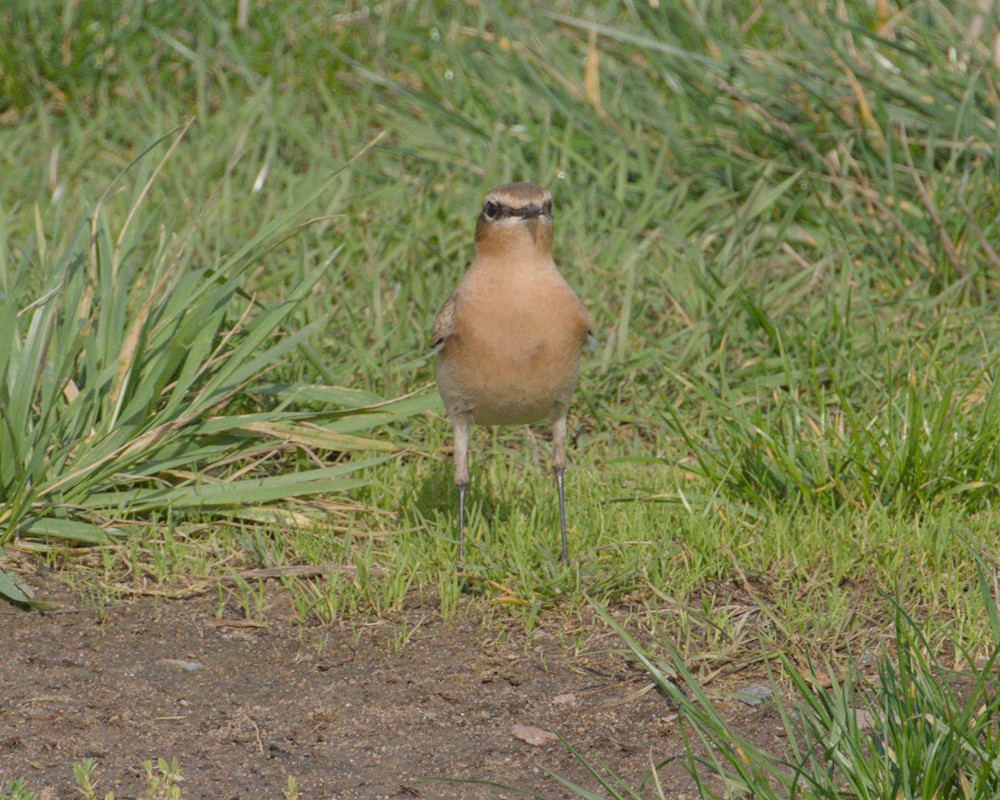
Then again, you can get lucky… Tourist area, so birds used to human presence. And the bird came to me, which always helps. And not a particularly rare bird.
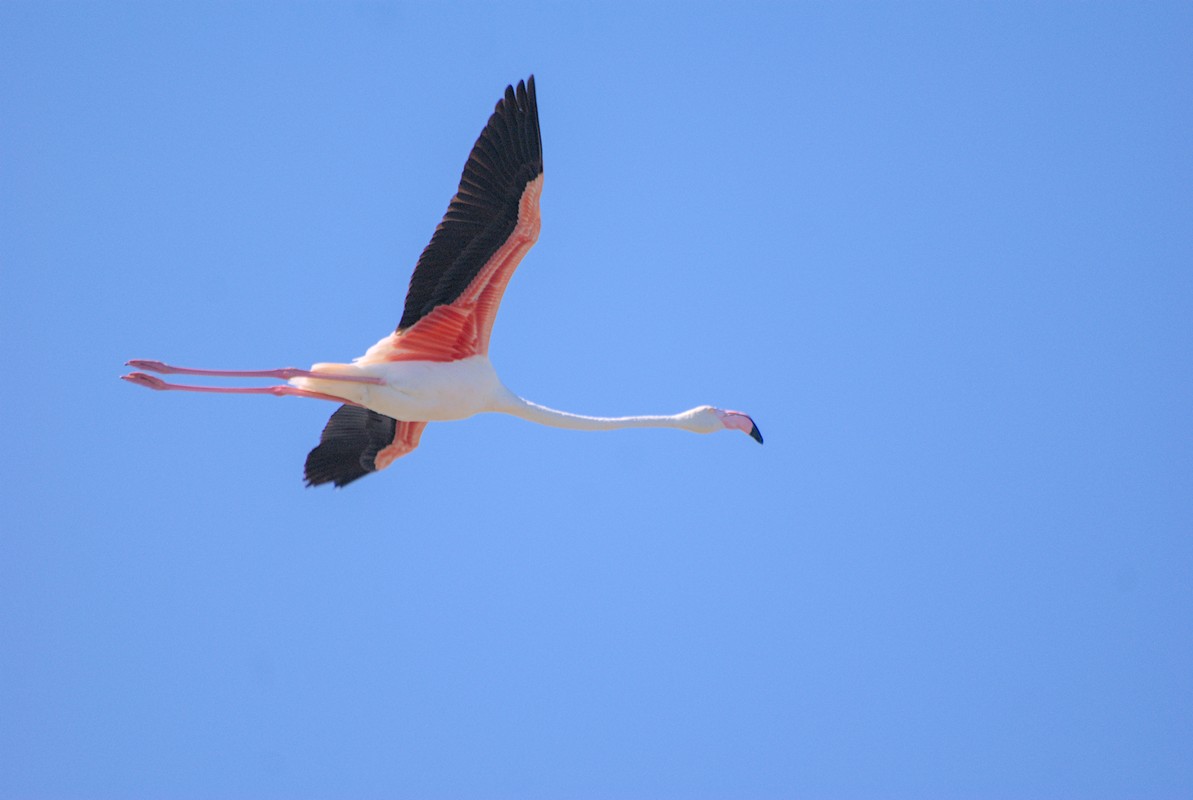
Bird parcs are also a good area. Although this was a wild bird, the area was protected and visitors confined to pathways. The presence of water also helps, birds learn fast enough humans don’t cross water. And this is one huge bird when flying…
1 Like
Yes, I started with a cheap(er) 275mm lens. And I had some luck with birds. And it was fun! At some point someone gave me a 150-600mm to try… Wow… that was an improvement. I went from luck to more predictability.
Then I decided to buy my own 200-500. And it had lot’s of practice and great great moments in nature. (I also very much enjoy the whole experience)
And with my 600mm… I know that I when the opportunity is there, it is not the camera that will holding me back in getting the shot, but much more my technical skill
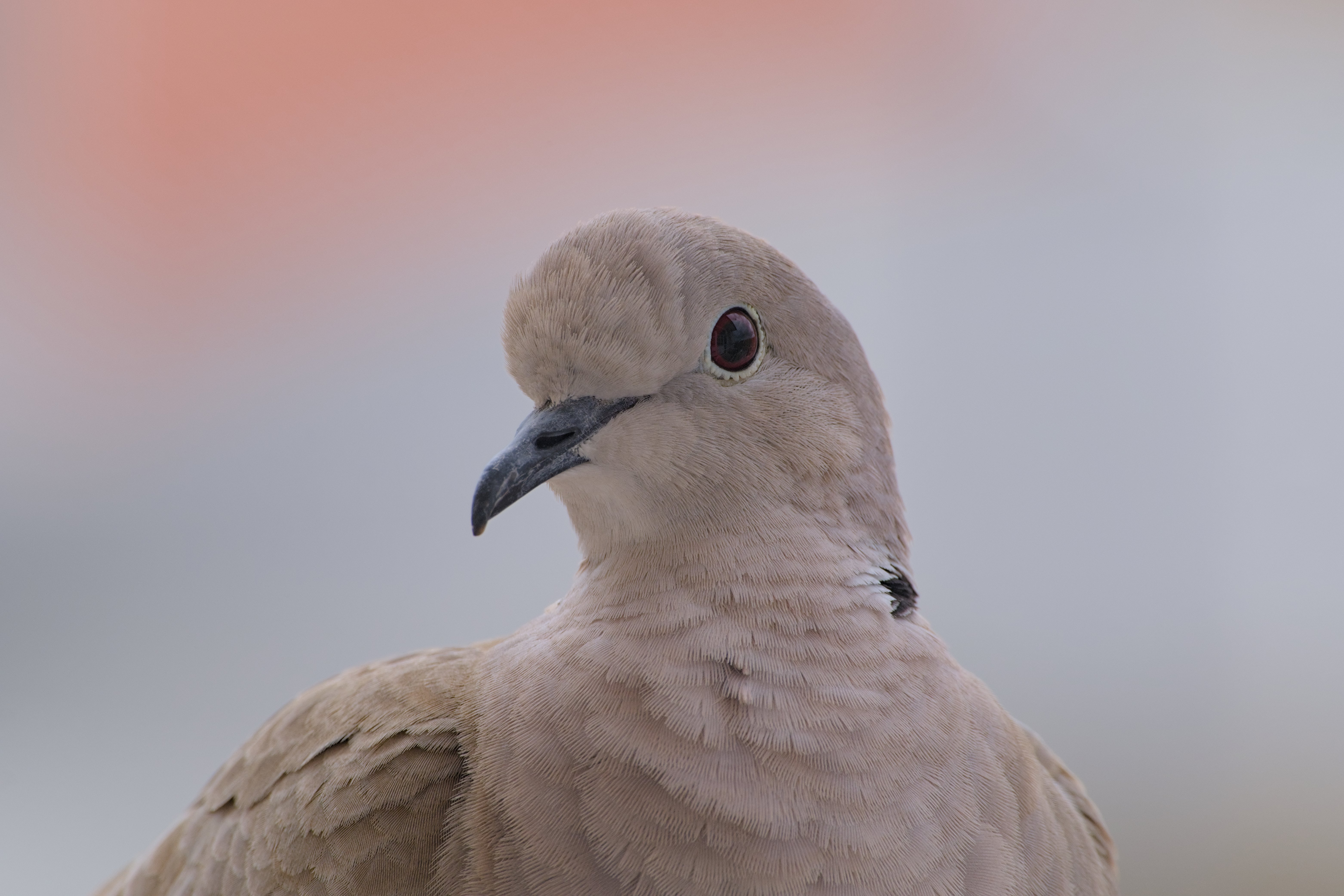
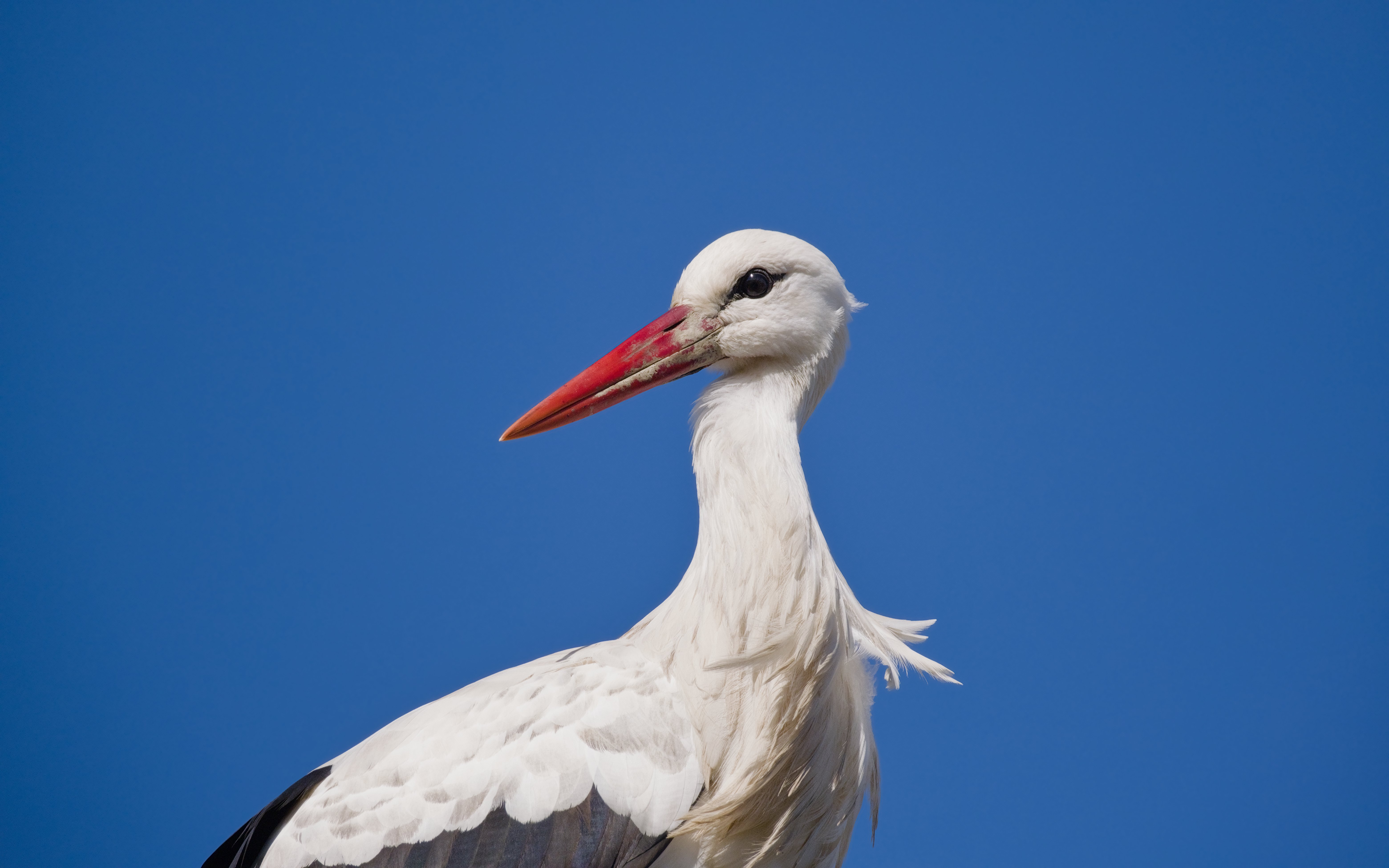
Either go to a place where the birds are used to humans, or birds are locked up/handled by humans, or get a longer lens. That said, every once in a while a bird might give you a chance for some close up shots before they fly away, these are my two close encounters:
2 Likes
yes, and bigger birds are easier with a shorter lens…
1 Like
I don’t know about you, but sometimes even 900mm FF equivalent is a challenge  Maybe I should upgrade to a telescope
1 Like
Don’t know where you are based, but nature reserves are places where the birds don’t tend to be bothered by people.
These were taken on the Farne Islands, in the UK.
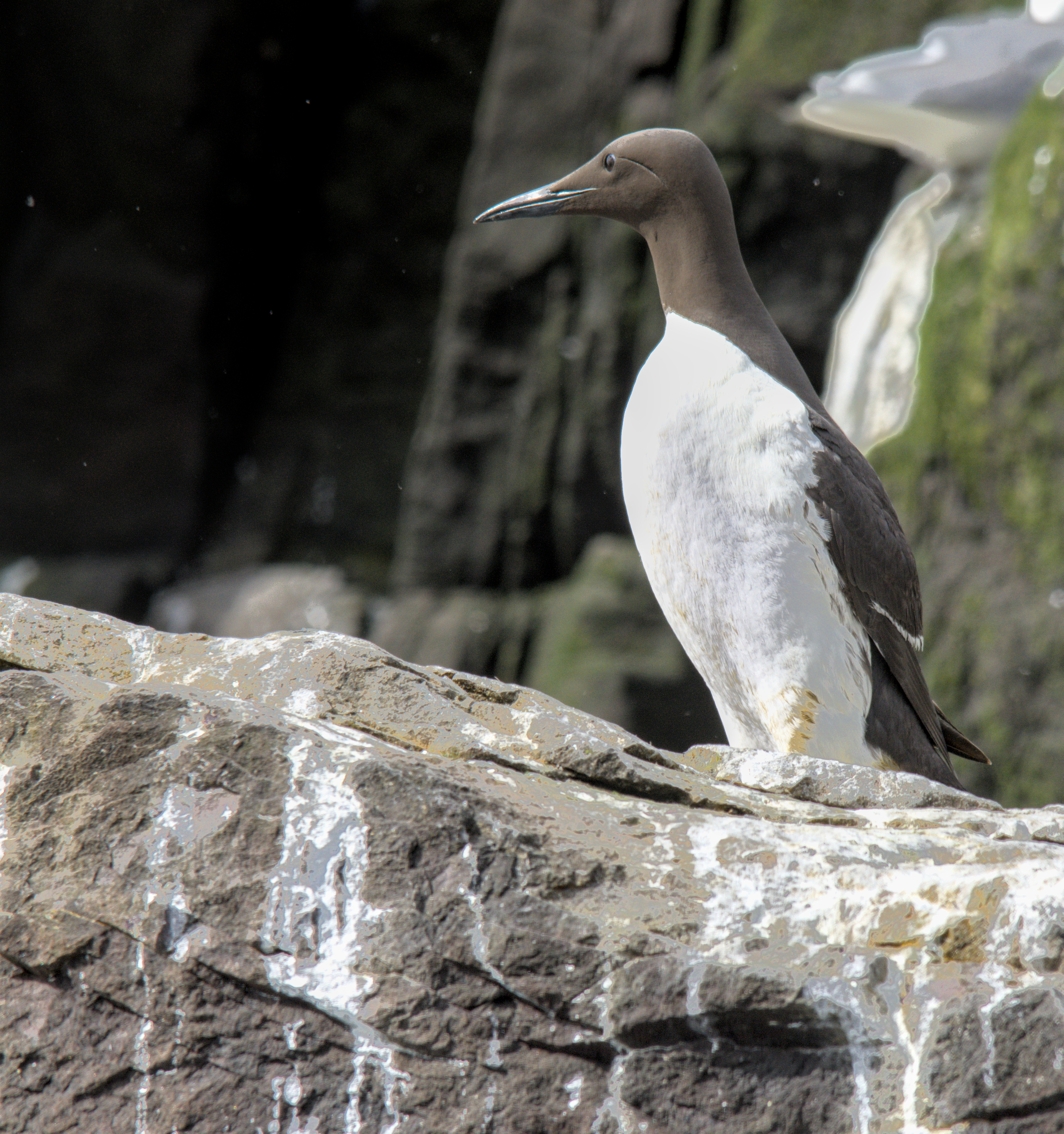
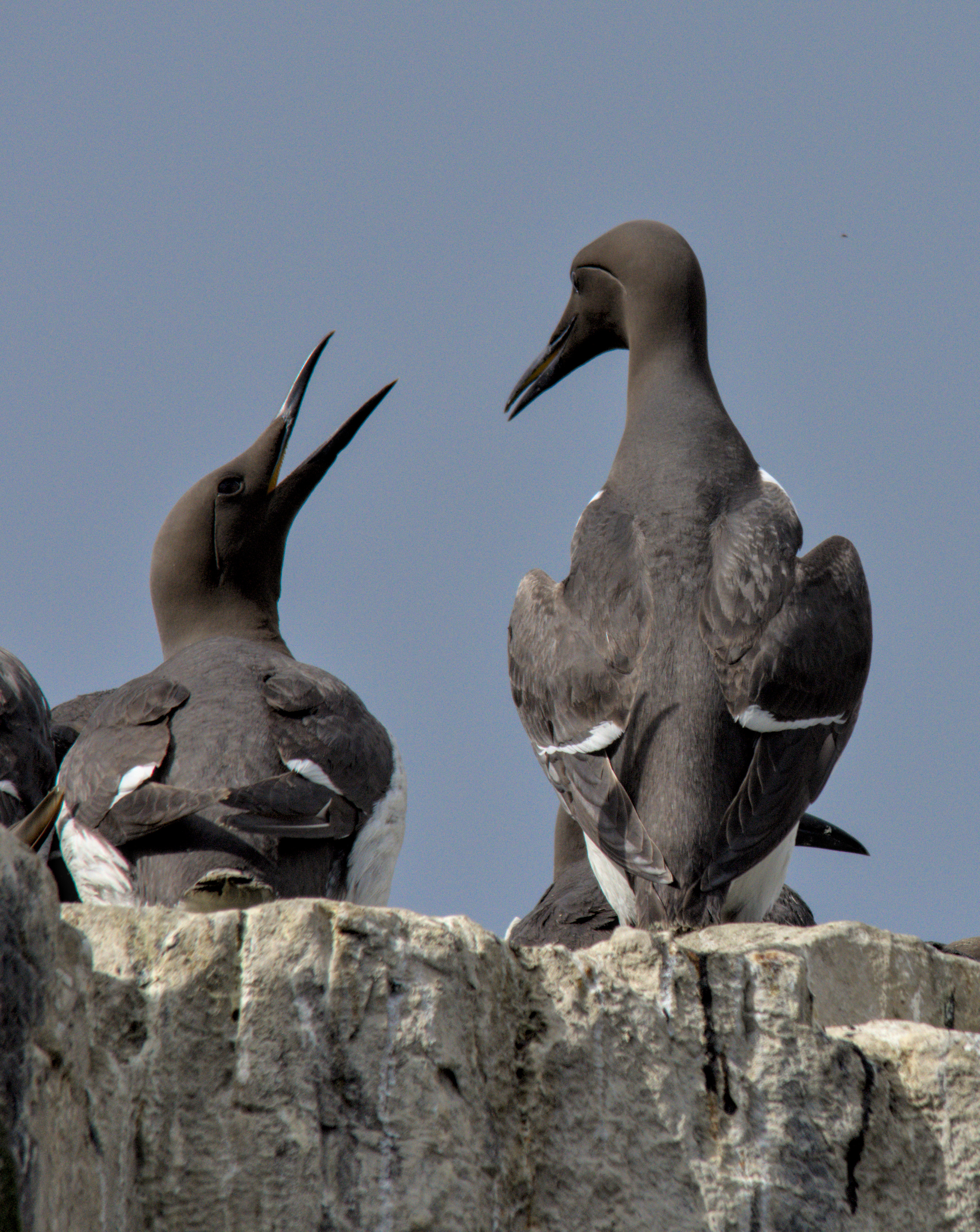
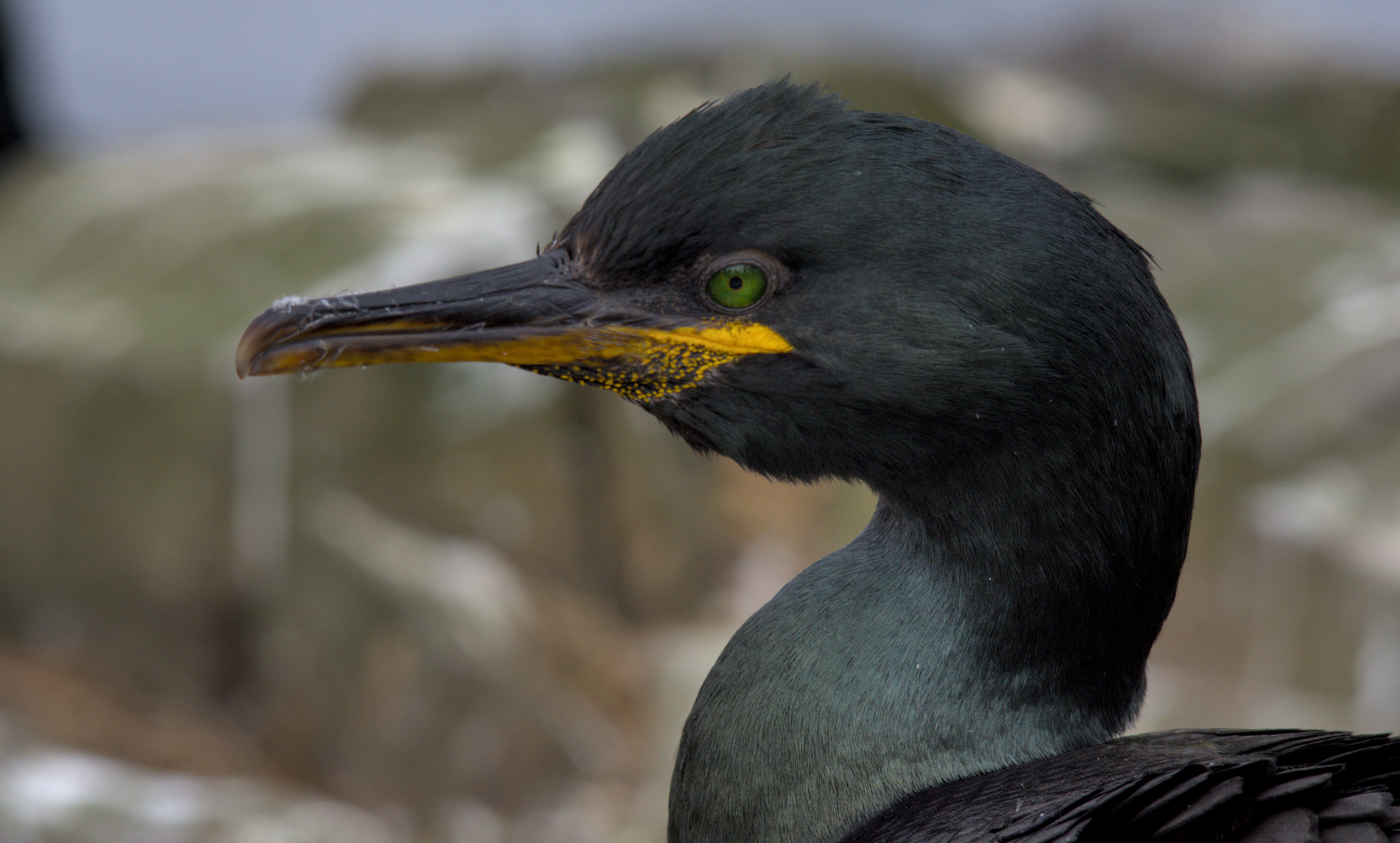
4 Likes
If we come to those lengths… that taking quality picture is in my opinion not possible anymore… Too much distortion by the atmosphere… I will though sometimes take pictures for determination of the kind of bird…
1 Like
As above, use a portable hide, or failing that, as they do cost a bit and can be tiresome to move about, simply sit/lie/crouch down… And wait. Use a simple sitting mat (https://www.bergfreunde.eu/therm-a-rest-z-seat-seat-cushion/ for example) which are light and easily carried.
Try to avoid approaching small birds on the coast, they can be very flighty; evolution and all that… Sometimes I try to look away from birds, or animals, if they are close, and use my peripheral vision… And just wait…
They (birds and small wildlife) don’t like human (predators) eyes that are on the front of a face (which sounds a bit weird as I’m not sure I know any humans with eyes on the side, or back (contrary to popular beliefs of parents) of there heads). Hope that helps!
2 Likes