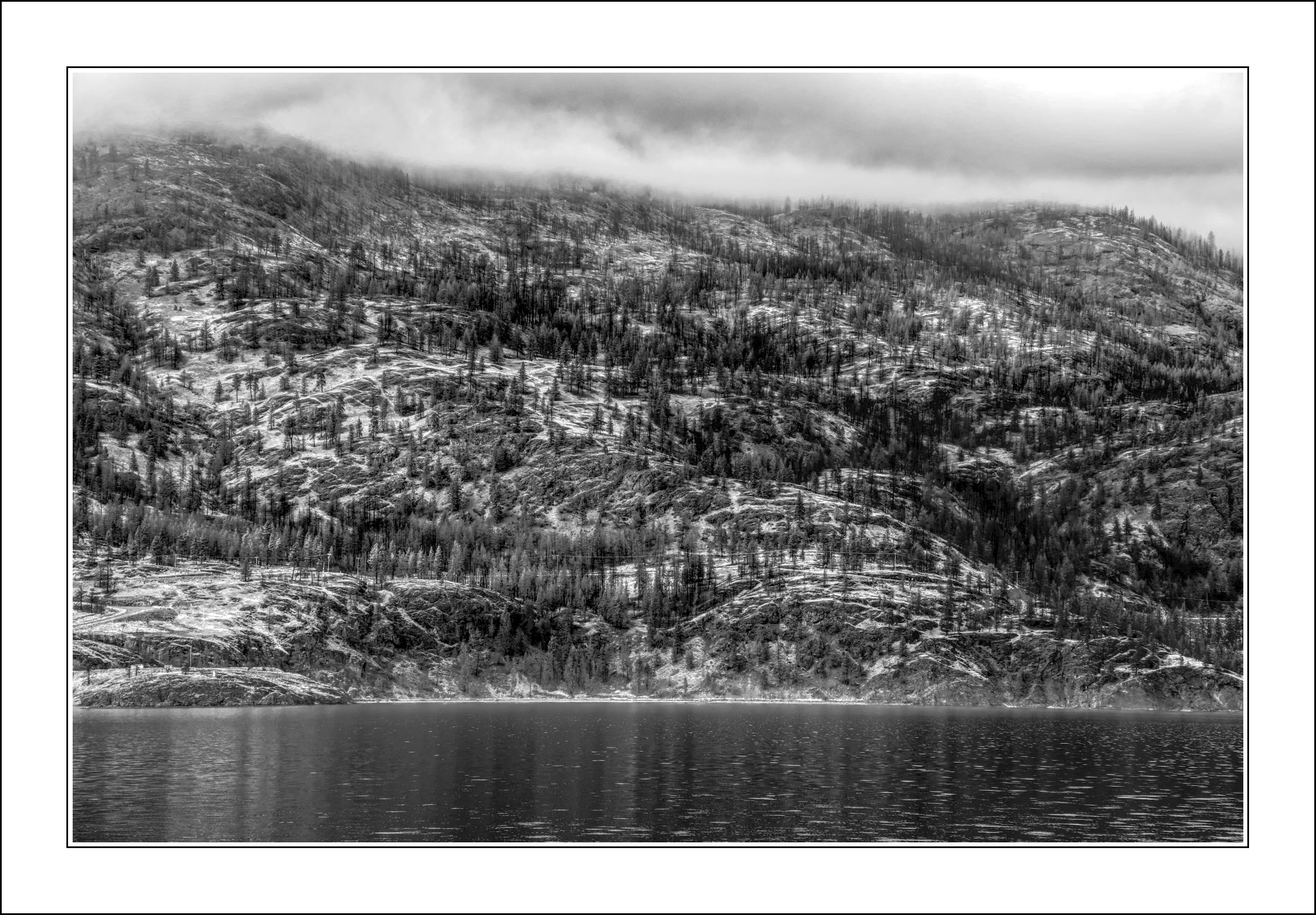
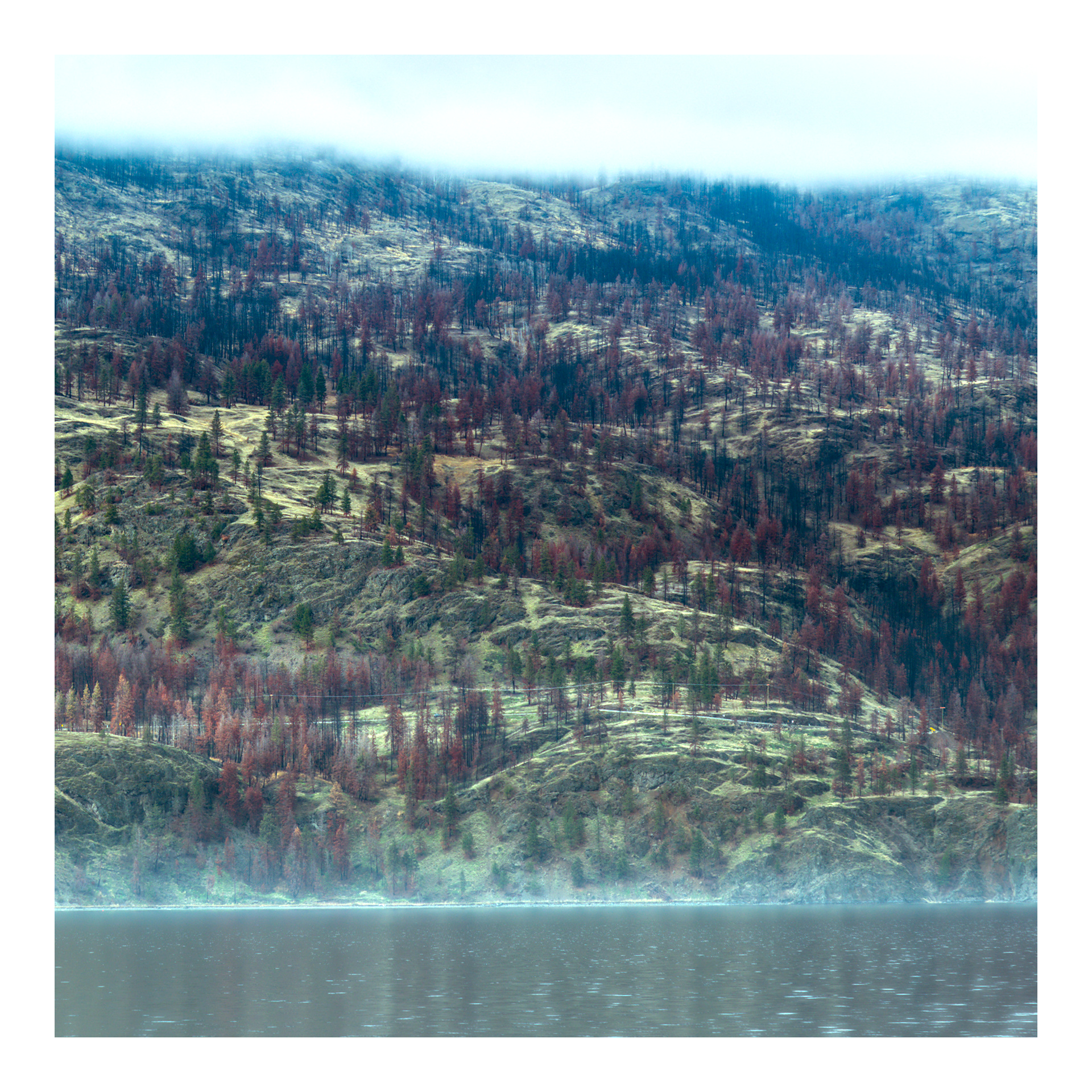
Great Image. Impressive Resolution on the X-T5. I feel an itching for gear upgrading  ! I tried to keep the haze at bottom and top while boosting the center for contrast.
DSCF9025.RAF.xmp (21.7 KB)
Great Image. Impressive Resolution on the X-T5. I feel an itching for gear upgrading ! I tried to keep the haze at bottom and top while boosting the center for contrast.
I never ends! The 40MP sensor is definitely one of the X-T5’s standout features. I recently got an OM-5 as a second kit, and the 20MP M4/3 sensor definitely feels like a downgrade in certain situations.
That said, you don’t always need the 40MP, so you end up with lots of massive files taking up storage space, and I’d be happy with those files being a lot smaller 80% of the time. Not to mention Darktable feels a lot snappier when you have a 20MP file rather than 40MP. But the larger resolution does give you extra flexibility for cropping in post, and it gives you that extra reach for telephoto shots without needing the bigger lens.
I could have taken this shot in High-Res mode on the OM-5 and got similar resolution (or even more if I’d used a tripod). This kind of scene is very well suited to high-res mode because it’s a static scene. It doesn’t work so well if there’s any movement.
It’s definitely giving me something to think about for my future camera purchases.
But then there is also a (120MP?) high res mode on the xt5, isn’t there?
Yes there is, but it’s tripod only and you need special software from Fujifilm to combine the images on a computer afterwards. I tried it a few times but the software often produced an error while combining, and I also got weird artifacts in the ones that did work. Maybe others have had more success with it than me, but I haven’t found the mode useful yet.
The OM System version is very usable in comparison. You have the handheld version for a start, which is amazingly effective. It “only” produces a 50MP image, but that’s still impressive handheld. There is also the 80MP tripod version, but I haven’t used that version yet because I rarely use a tripod.
It’s all processed in-camera and you get two RAW files out of it: the high-res version and a standard res version. That’s great because sometimes you might decide you don’t want the high-res version after all, and you still have a 20MP file to use.
I don’t need 120MP from the Fuji version, and they really need to improve the workflow. To me, it’s only useful for some specific still-life studio work, like scanning negatives.
The OM solution, on the other hand, is a very practical tool for the field. For certain landscape scenes, you can just use it handheld and get a 50MP image with a simple click of the shutter button. My only wish is that they improve the algorithm to eliminate motion blur if there is any. This will remove the only downside to it, in my opinion.
I can’t wrap my mind around this 
Haha, well I know how much you love your megapixels!
But the situations in which you might not want the high-res version is when there’s some motion blur in your high-res shot, which you often don’t detect until you get home and look at it on your big screen. Also, sometimes I just decide there’s no real benefit from the high-res version. The extra detail is not always apparent, and the shot isn’t a portfolio image anyway… sadly, an all-too regular occurrence.

Dont get me wrong. I can totally understand your points and the feedback that the high-res mode on the x-t5 is not much use is very helpful. I was simply amazed by how much detail there was in your raw file and how much I was able to zoom in. It would be very interesting to see a comparison of the native 40 MP x-t5 file and a high-res 50 MP file from your OM-5 (both taken with similar focal length and optimal aperture for sharpness and detail) assuming that you have decent lenses for both systems.
Great idea, and I’ll do this because I’m also interested. I still need to get a better lens for the OM kit to do a fair comparison but I hope that will be solved in the next couple of months.
Also, to be clear, I think it’s usually much better to rely on the native resolution of the sensor given the choice. So, the 40MP of the X-T5 is a better overall option than using High-Res Shot on the OM-5. This is mainly because it’s a single exposure on the X-T5, whereas the pixel shift mode is a multiple exposure and therefore prone to camera shake and/or motion blur.
But as far as pixel shift modes go, the OM System solution is far superior to what Fuji have implemented, and it’s a very handy tool to compensate for the relatively low res sensor of the M4/3 bodies. Whether you need all those MP is another matter… (don’t listen to @paperdigits. He feeds on megapixels!)
If prices eventually come down, I could definitely see the benefit of a FF or APS-C sensor with very high resolution as an alternative to a more compact camera/lens combo. The Sony A7R series in crop mode means you can use smaller and shorter lenses while still benefiting from the reach of smaller formats. But they’re so expensive right now that it’s not a good option for many people, including me, but maybe one day…