This story is kind of off topic, but hopefully might be of casual interest… and perhaps you can even solve a little puzzle 
Our flat was renovated shortly before my wife and I moved in 6 months ago, including new downlights in all the rooms. These use the normal GU10 fittings, with 230V, 6 watt LED bulbs. The kitchen lights tend to be on more than any other, as we have other lamps elsewhere.
Around 2 months ago a bulb failed in the kitchen, followed a few days later by another… and another… and another until all 6 had failed within a few weeks of each other. 
Bulbs replaced, I was curious what the mode of failure was - I suspected that it would be the “embedded” powersupply rather than the presumably multiple LED chips.
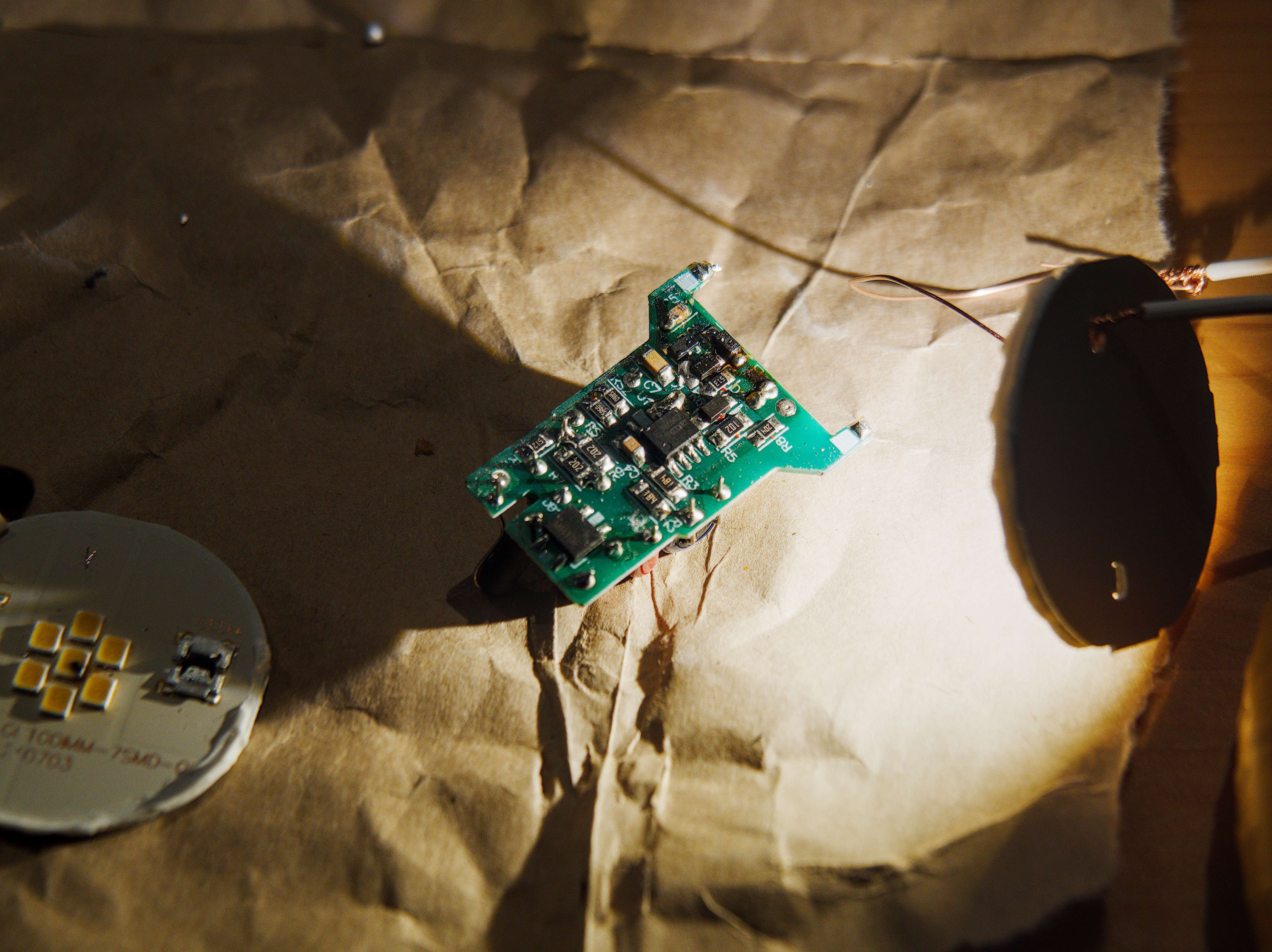
A pleasant 10 minutes spent dismantling a couple of bulbs with pliers, hammer and chisel confirmed this. There is a string of 7 LEDs in an SMD package, one of which has failed violently. On the power supply board, one of the red capacitors has more or less blown up, while the bigger blue electrolytic capacitor is bulging and looks on the point of failure.  My theory is that the supply failed, and fed the LED string an excessive voltage, leaving the weakest or most stressed LED to act as a fuse.
After some tinkering with first a 12V battery, then a discarded 24V plugpack (actually turned out to be 23V once lightly loaded), I discovered that contrary to my limited experience and knowledge, each LED package has a working voltage of around 23V!* Normal LEDs run on about 2 to 3V…
These must be multiple PN junctions in a single package.
it makes sense I suppose, as this means the string of seven (they are in series) will run on around 160V - presumably more efficient to have a much smaller step down from 230V.
Having made a nice mess on my desk and my curiosity amply stimulated, I did an impromptu macro photoshoot. Not having a macro lens I used a Pentax 18-55 kit lens reverse mounted on my EM5ii. Some of the shots are flash lit, while others are actually lit by the LED I was experimenting with!
If anyone knows about ‘multiple LEDs in one’ I’m all ears… will do some research myself when I have time and attention to give. 
*(guesstimate based on the happy fact that a single chip is running happily on the 23V supply without expiring (yet), drawing about 50mA and giving a reasonable brightness. Without some means of current limiting, if the design voltage was much lower it would draw way more current and quickly burn out)
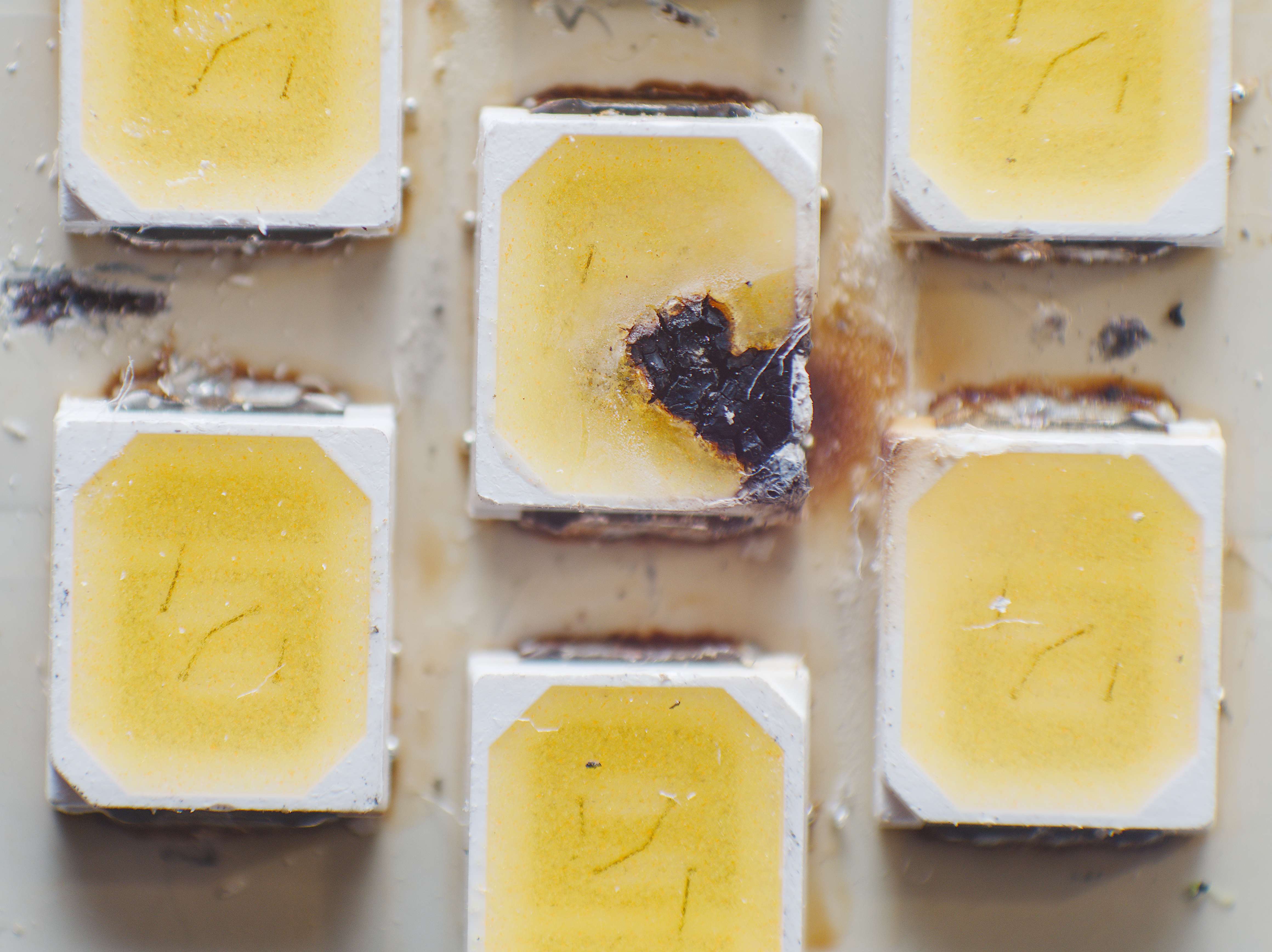
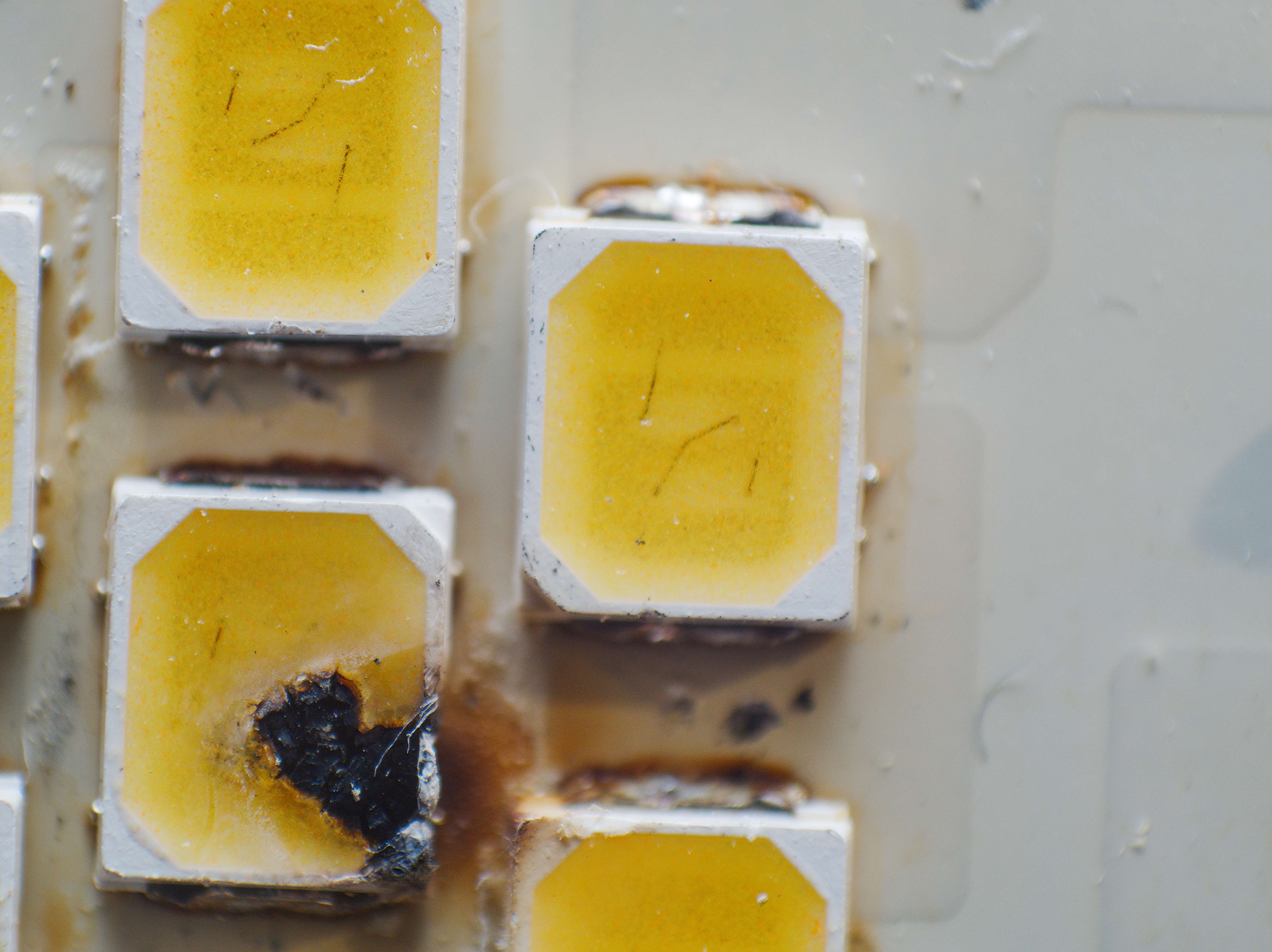

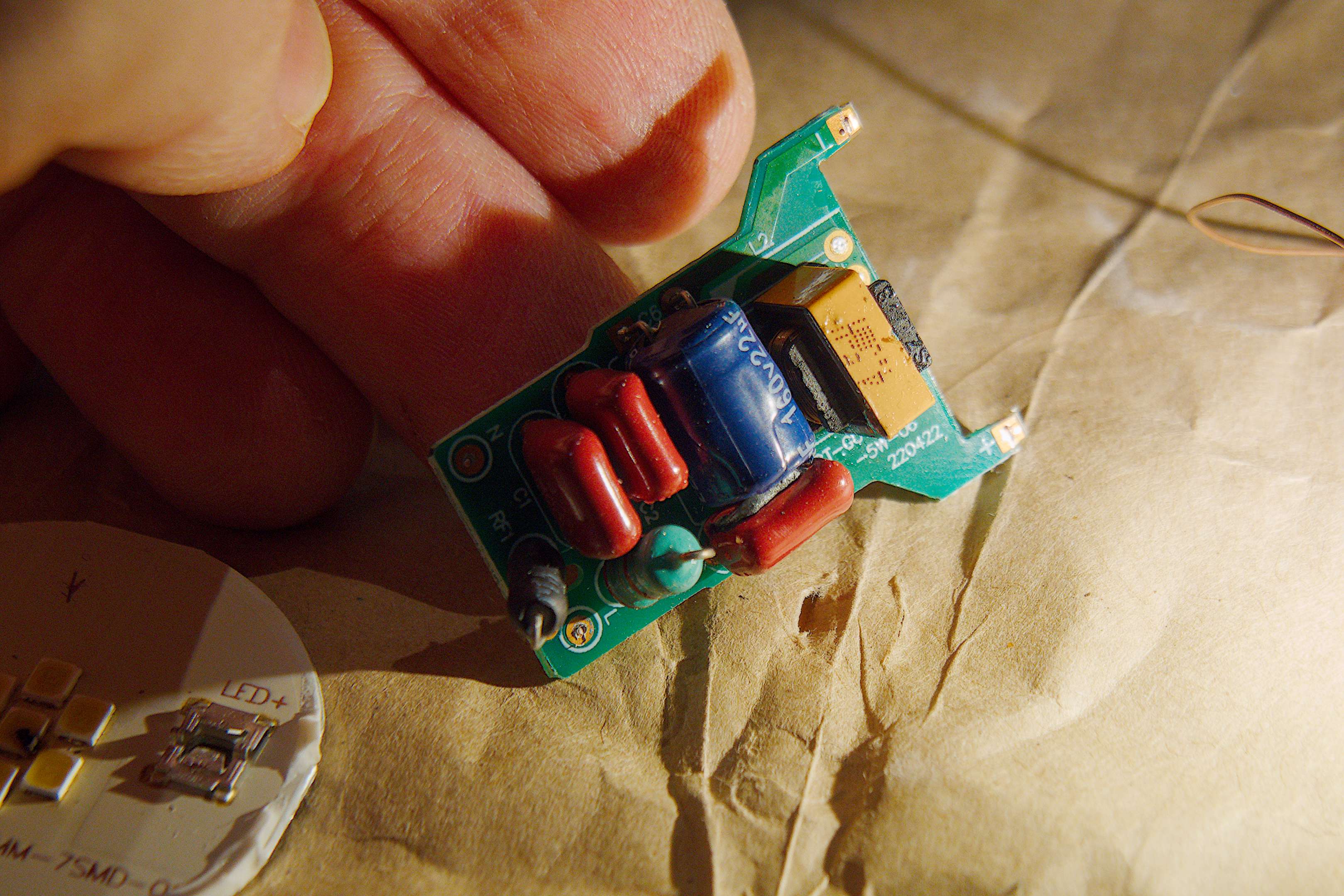
Images are full res but heavily compressed as I am impressed by the level of detail 
 dip!
dip! 
