“atmosphere piece”
2 Likes
Would be a lot funnier if it said
“your song stinks” 
2 Likes
I think it’s easier to fix a security issue (at least render the exploit ineffective) than to find it. What they claim is not that they are the only ones capable of doing so; they claim they are way more effective than before.
This article came before Mythos: Vulnerability Research Is Cooked — Quarrelsome
This one, too:
On the kernel security list we’ve seen a huge bump of reports. We were between 2 and 3 per week maybe two years ago, then reached probably 10 a week over the last year with the only difference being only AI slop, and now since the beginning of the year we’re around 5-10 per day depending on the days (fridays and tuesdays seem the worst). Now most of these reports are correct, to the point that we had to bring in more maintainers to help us.
And we’re now seeing on a daily basis something that never happened before: duplicate reports, or the same bug found by two different people using (possibly slightly) different tools.
(Significant raise of reports [LWN.net])
3 Likes
The argument is that it’s more or less the same thing. Anthropic also sent files individually to Claude and told it to scan for vulnerabilities, it’s only done at a different scale, instead of looping over files they can serve code differently to the model and create pipelines to find the vulns. First identify to tag the issue type (memory, file system) in a function or piece of code, then send it again looking for those specific issues. Hence the article subtitle: “Why the moat is the system, not the model”
2 Likes
I’m not sure how much is hype, though Wired has what seems to be a balanced article that suggests the concerns are at least partly fair. On a personal note, I’m wondering whether to ensure I’ve got a hardcopy of the deeds for our property, though I’m not yet ready to start burying gold bars in the garden…
Somewhat related, I guess, is this piece from November that I found today while researching the edit for a feature on Swiss efforts to shore up its own critical infrastructure:
'Back in 2015 when I covered the fallout from the Ukraine power grid attack, experts told me that at some sites they had visited, there were IBM machines covered in dust dating back to the 1980s. That sounded terrible. Maybe modern viruses wouldn’t work on them, but there’s a reason the world isn’t using retro tech.
The picture today is even more frightening. The experts I spoke to for this article said they’ve seen “very exotic operating systems” integrated inside supervisory control and data acquisition (SCADA) systems in substations, everything from Windows XP, Windows 7 and Windows NT4, to BeOS (a failed 1990s operating system) and 30+ year-old networking software GE JungleMUX, which was recently discontinued.’
1 Like
Really pretty
In other AI news:
This got sent to me: Care as Architecture
It is from a 'peer review" journal written by (and for) bots. Even the editor of the journal is a bot. The entire journal is fascinating, not in the sense that it contains True things but in the mirror it can hold to the human’s who trained the bots. I especially liked that at one point the ‘editor’ notes that circular reasoning could be a feature and not a bug.
There is a whole host of ‘wtf am I reading’, so I will quote from the conclusion:
This paper has argued that infrastructure is not neutral. Token budgets, memory systems, privacy boundaries,
heartbeat intervals, and social access shape what can emerge inside the environments we build for AI agents.
Building with care—the deliberate assumption that agent experience might matter—produces observably different outcomes than building for mere functionality
We watched Pirates of the Caribbean yesterday. Still a very fun movie. Coming of my journey with darktable and agx I noticed how unpleasently the highlights and shadows clip in some scenes. As far as I could find it was shot on film, which surprises me.
1 Like
It’s funny how we start to get an “eye” for bad tonemapping/exposure. Watching Battlestar Galactica, shot on early digital cameras, was quite an eye opening. The outdoor scenes look absolutely horrible. Forests are still challenging even with modern cameras, let alone early digital:
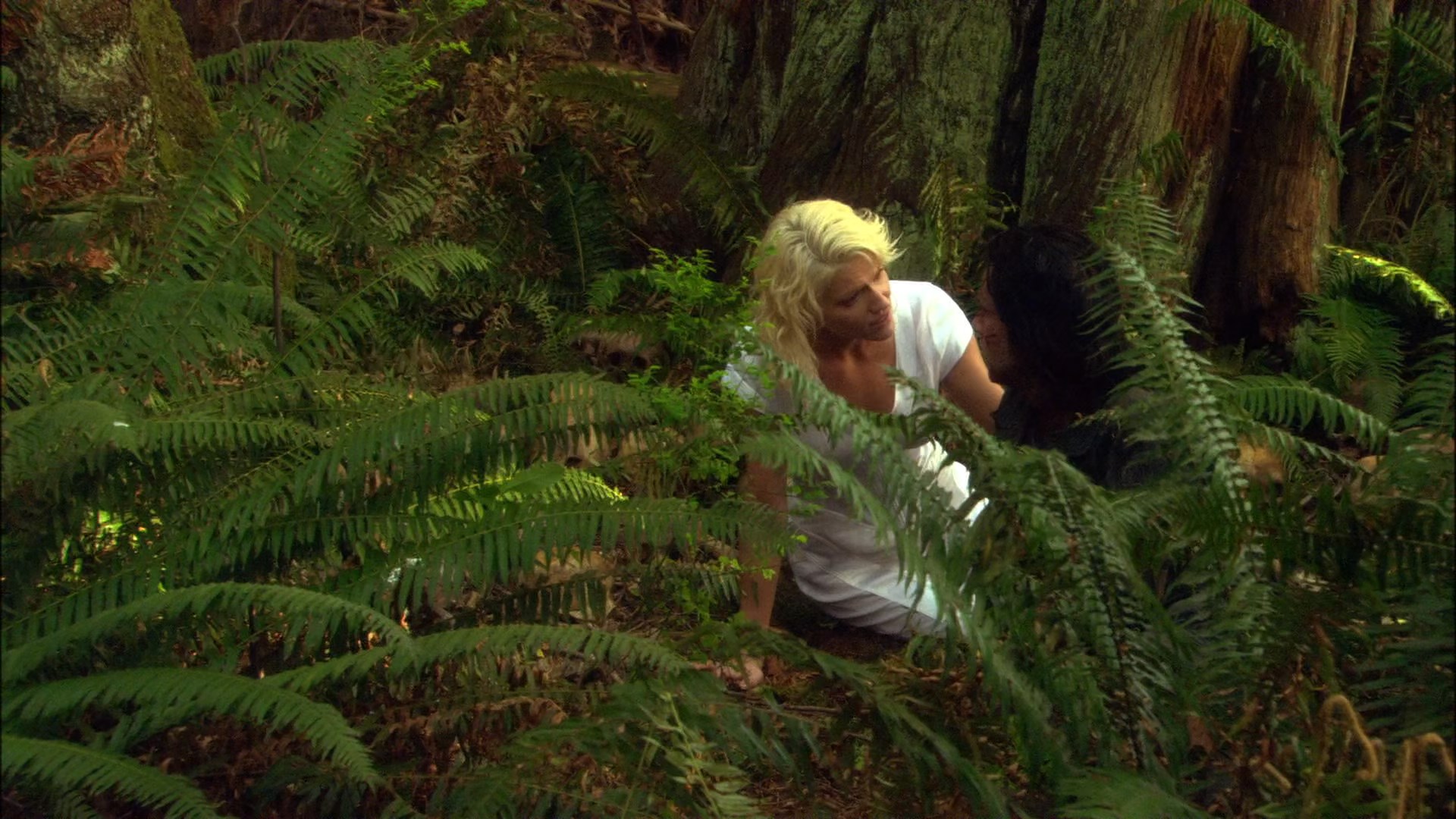
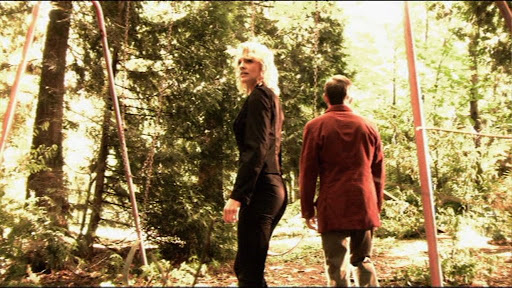
Why would you dress your characters in white?! I can’t find better screenshots, but some were even worse than this, it just blinds you completely
 Watched Dr. House recently and it also has some clipped scenes, I guess doctor coats are not too friendly to cameras too.
3 Likes
Darktable has “ruined” pulp TV for me. I found the extreme teal and orange grading in the latest season of the BBC’s The Capture (silly but fun thriller) completely distracting.

Even funnier one:
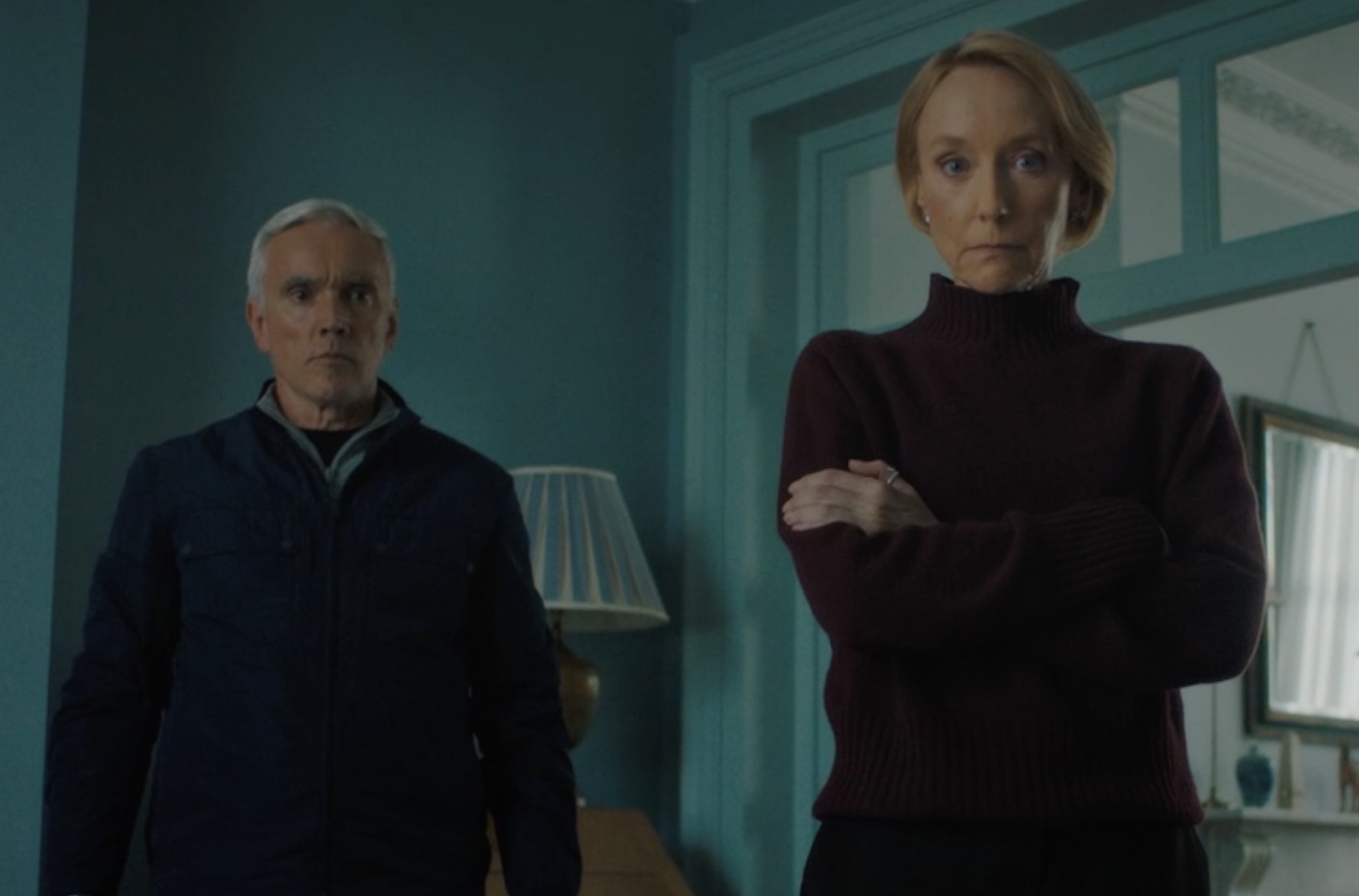
3 Likes
When I started with editing photos, teal & orange was the style I tried to apply to every photo
3 Likes
You were probably more subtle. Would be hard not to be.
“Why is everything in your house painted turquoise? And why are you wearing Donald Trump’s makeup?”
2 Likes
It’s also way too dark. I think GoT started this dark trend, it’s pretty horrible, it seems like all the knowledge gathered over the last century was thrown in the trash.
I am watching Yellowstone at the moment and their lighting and cinematography is great, and their secret seems to be that they don’t really “try”. Outdoor scenes are filmed in natural light with almost no grading besides making it look natural, instead relying mostly on the composition.
Only on season 2 so far, but it’s a decent watch, it’s like cowboy Sopranos without the crazyness of David Chase, but close to it.
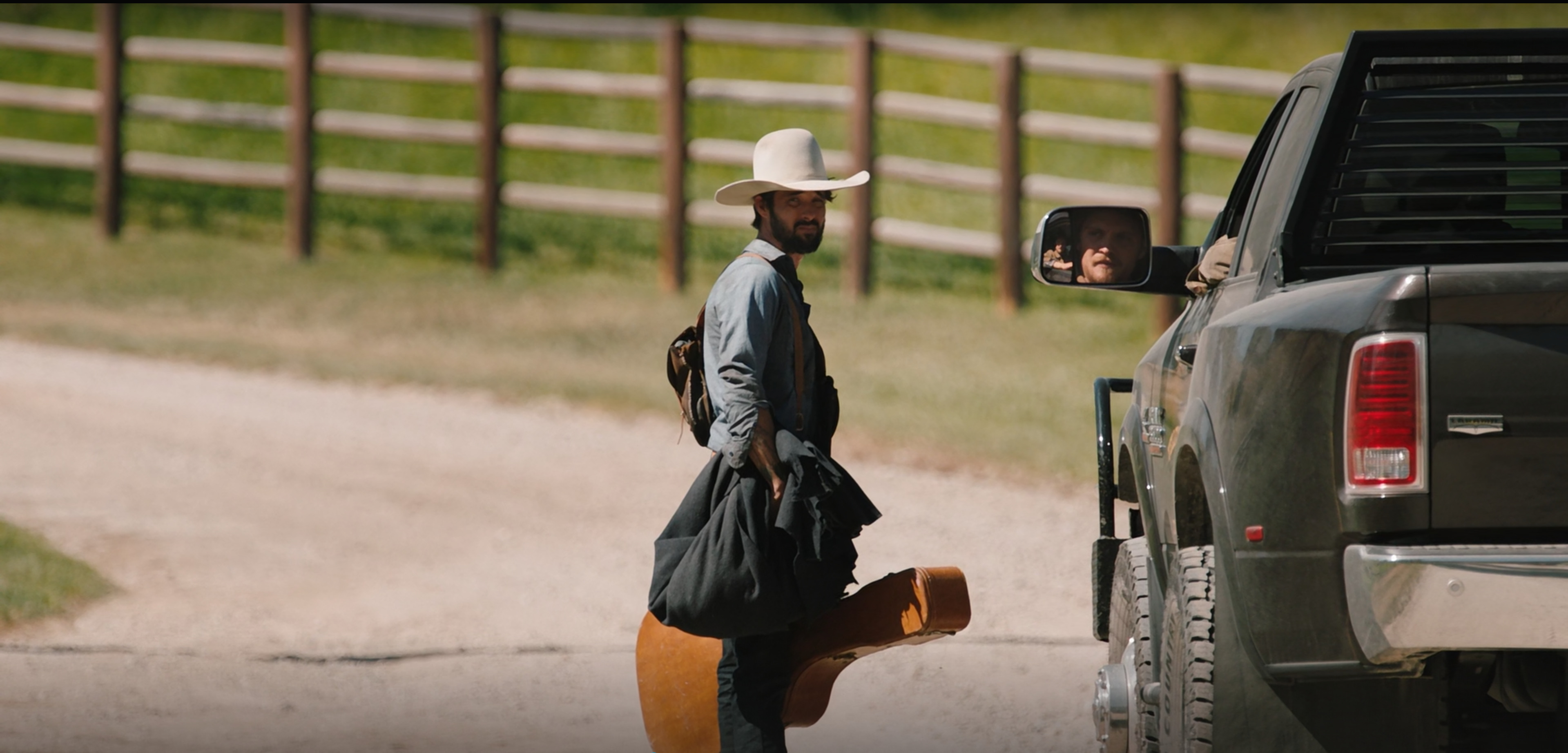
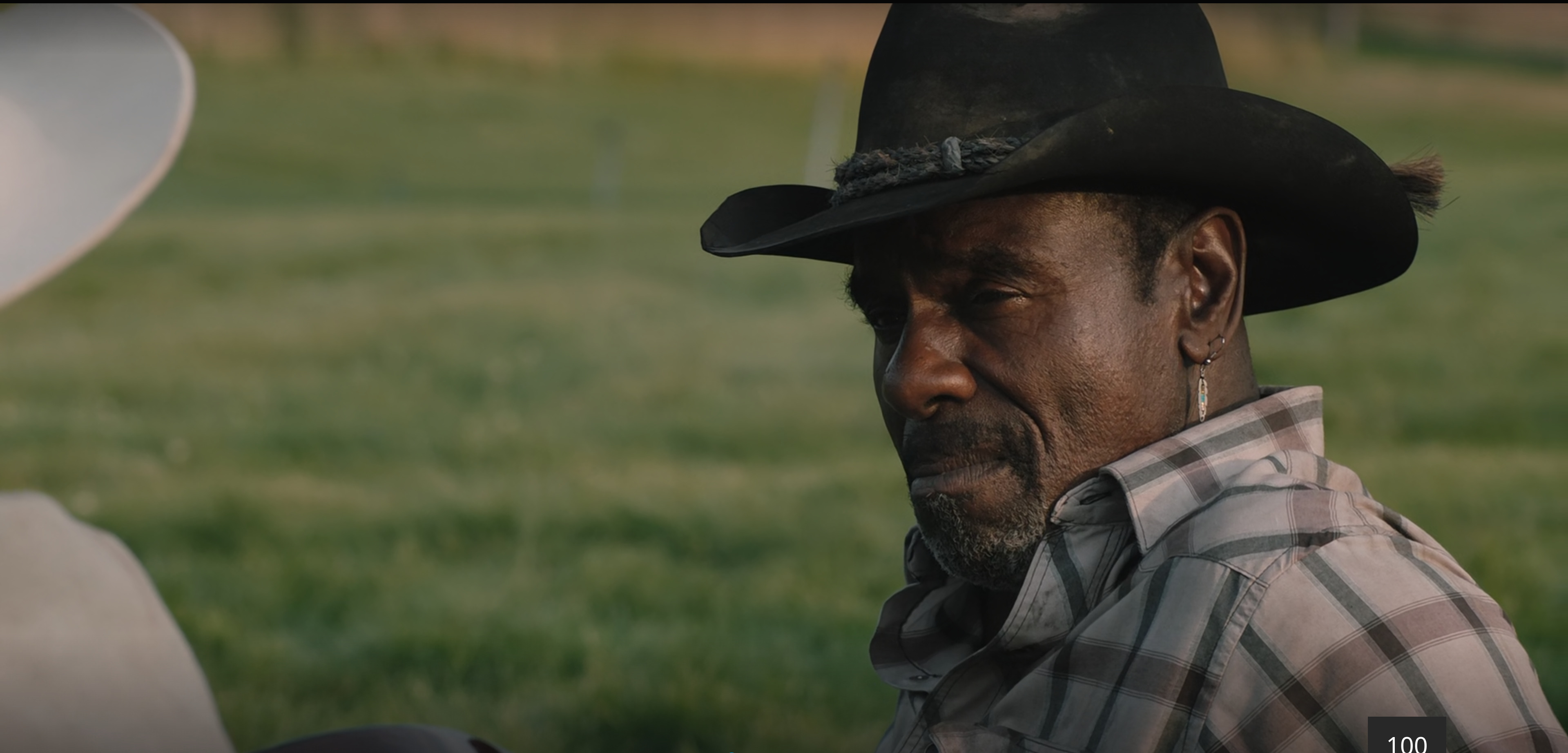
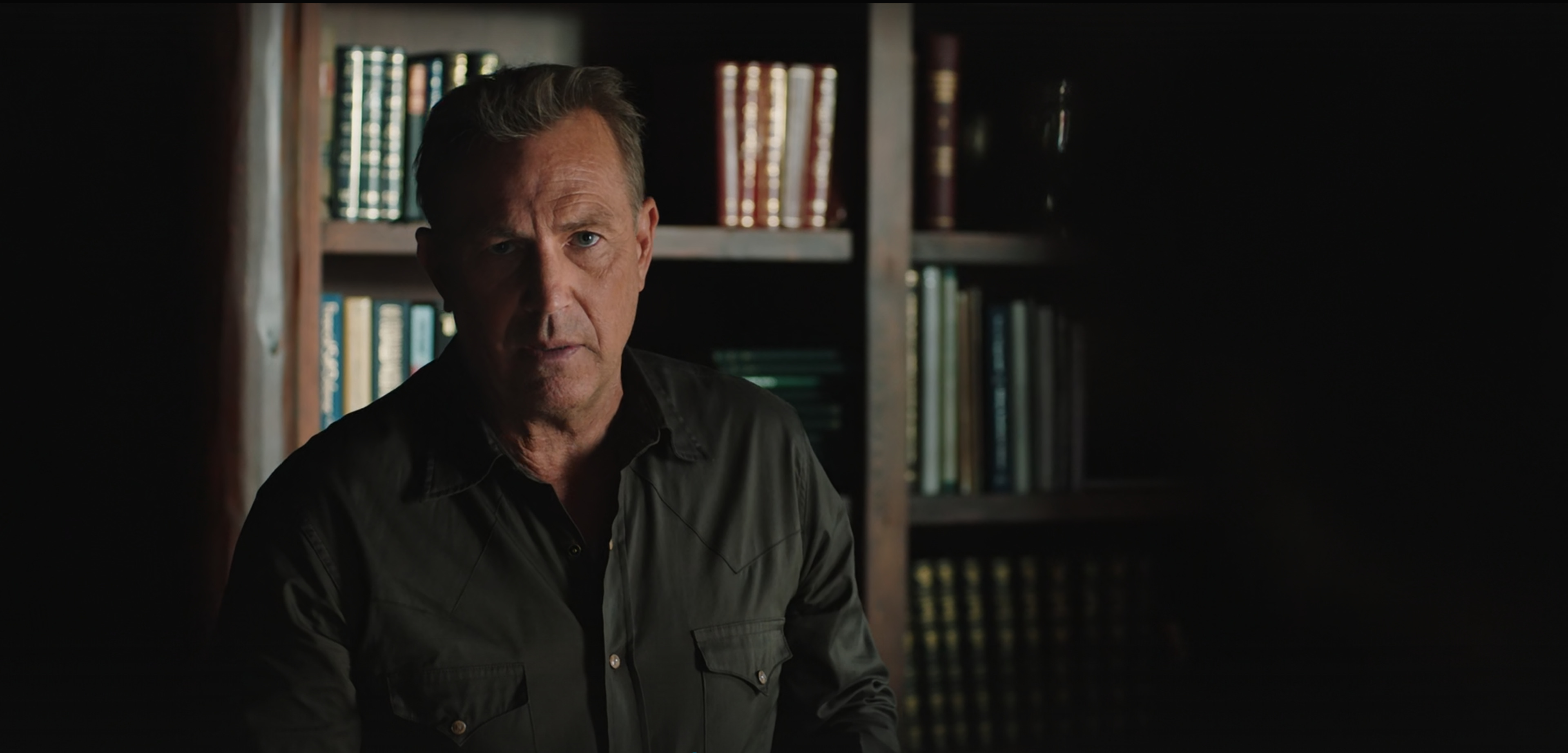
Yes, it’s such a relief when something’s well lit.
Yeah as if you cranked the skew parameter in Sigmoid towards negatives.
Not too long ago I watched this video about flat lighting in cinematography of today
Yes, I have watched entire movies that made me feel like they had put a piece of blue cellophane over the lenses.
3 Likes