I think also B&W, being already abstracted, is less obviously manipulated somehow
If this were about painting, a discussion about the question of what the artist is allowed to do would be considered rather banal. In painting, we have images ranging from cave paintings to photorealistic depictions. From provocative realism to complete abstraction. Not everyone appreciates everything, but all styles have their place.
It is only in photography that the question of the relationship to “reality” is asked again and again. I find that strange. Of course, I appreciate some photos because they were created in a certain context and are therefore more “real” than other works of art. But that doesn’t mean that there should be restrictions for creativity.
6 Likes
Pretty much agree. I don’t think it’s a matter of being allowed or not, tho, rather how the image comes across and it not being a painting must have some significance, I guess. I’d sometimes like to make pictures that are less clinical and detailed than modern sensors can allow, with some mystery intact. I think that’s true for others, hence the interest in analog, as well as shooting through rain soaked windows or fog like, say, Todd Hido or others.
1 Like
I guess there’s a difference between a pretty picture of a thing, and a picture of a pretty thing. The latter derives much of its meaning from its close ties to reality. This is particularly important for pictures of people, in this age of distorted social media representations.
4 Likes
No such thing going on. Criticism is part of art and has nothing to do with what’s allowed. Anyway we are in no position to allow or deny any photographer from doing anything. Having opinions on and discussing art is absolutely critical to art itself and it’s development. Personally I find hat I have to speak or write about ideas to fully understand them.
What you get away with in terms of processing etc. depends on the results. What is kitsch when done by someone is spot on by someone else. It’s the very precise results of a persons eye, subjects , emotions and ideas that make all the difference.
3 Likes
Maybe I was provocative, but I did definately not talk about censorship. When I wrote “allowed”, it was meant the same way as your statement
My point was that the focus is often not on style or content per se, but on the question of how far away you are from a perceived reality. And as I wrote above, the reference to the context is important. Nevertheless, I feel that the discussion is often too narrow.
I think it’s to be expected since there is so much bad or mediocre photography out there that is over processed. Some people think a poor photo of nothing can become something by post processing it and giving it the same look as a good photograph.
The opposite problem is almost non existent today. Great photography let down by being sooc is something I can’t say I’ve seen.
OTT, IMV, VSCO, msg, SAW … WTF?
1 Like
If you want to have a say here, you need to learn a few abbreviations  :
:
OTT: Office of Transportation Technologies
IMV: Intermittent Mandatory Ventilation
VSCO: Victoria School Chinese Orchestra
msg: Madison Square Garden
and SAW is just a movie (with too many sequels).
2 Likes
Thank you, but I don’t find these abbreviations really useful. I would rather learn something else. DMJTS, be well!
@afre = all friends regret everything - ha ha.
1 Like
You got me there. As a non-native English speaker, English Internet slang is not always easy for me either.
And I thought “always friendly really empathic”.
2 Likes
Yep, that.
I think we all have our individual “style”, whether we like it or not. Influenced by what subjects we choose, and then how we tend to compose, and then what processing we introduce, or don’t. All of these decisions end up influencing a “style”…
I think whether some particular effect (or lack of) is “bad” depends on how much deliberate control the author has on the mechanism. However, I’ve produced some decent manipulated images by doing “shotgun” spraying of tools until I liked what I saw, not exactly what I’d call deliberate control. With that perspective, I’d never market myself as an “artist”… 
I think the “substance” part of any imaging endeavor comes from the act of communication, particularly what the receiver thinks. Webb telescope imaging has significant substance, as a lot of folk regard it and think differently as a result, for ends from scientific research to simple contemplation of the grandeur of the universe.
Anyway, Friday-morning musings…
3 Likes
I think the nature of photography, being based on an ‘objective’ document, invites this kind of interrogation. Not that we should be bound to journalistic standards, but that we ought to be mindful of the relationship between what we saw, what we captured, and how we present it.
I quite like some heavily processed images, with very distinctive unreal/surreal qualities. But it’s a matter of taste. I find a lot of current photography comes across as overly ‘plasticky’ or ‘processed’, as a consequence of heavy handed application of saturation or sharpness. Or in this case, vignetting. I like some of these images, but quite a number of them would have benefited from a bit of restraint in the post processing. In my subjective opinion!
3 Likes
I don’t do this often, but I was just messing around one day and turned this:
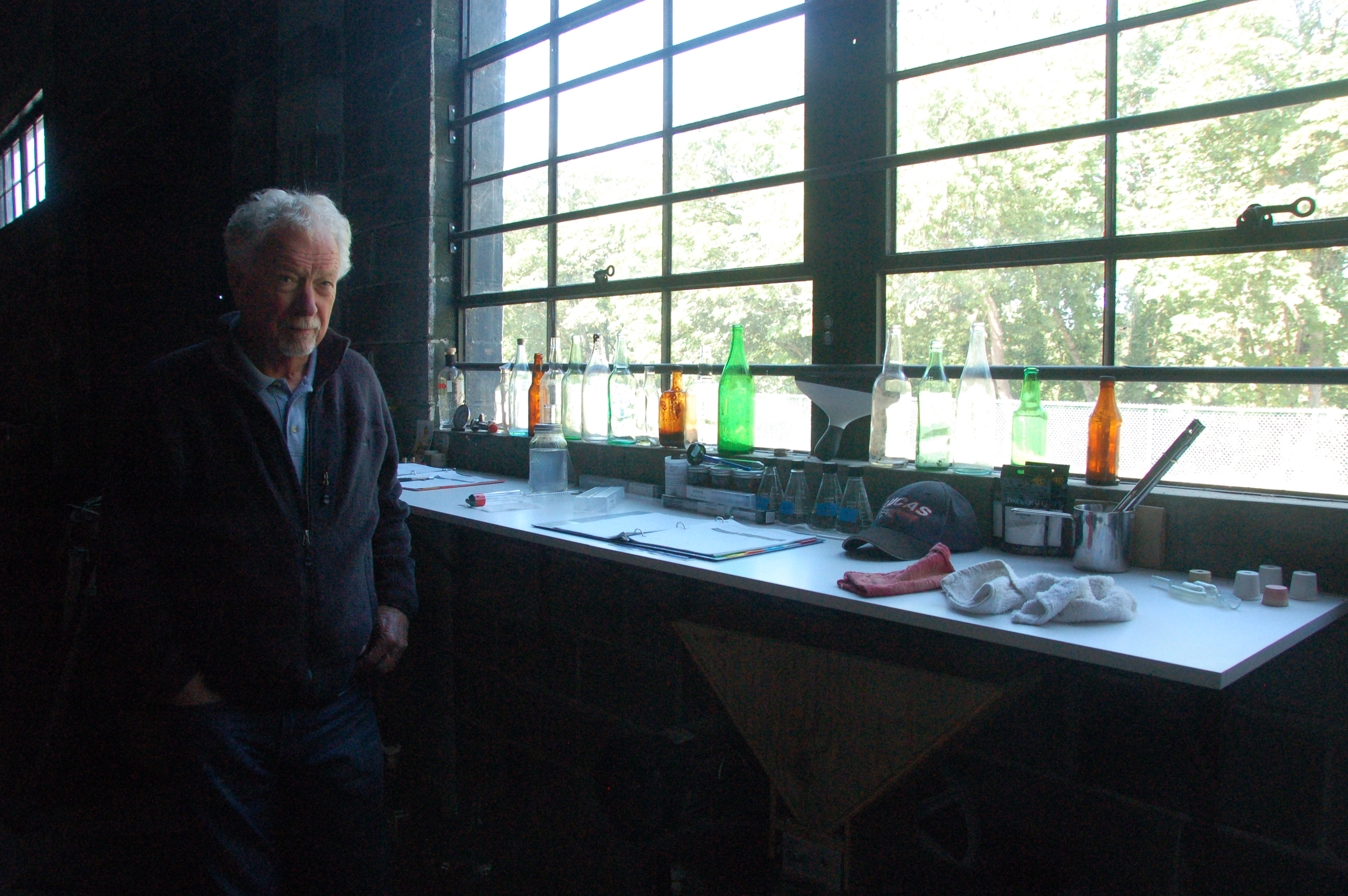
into this:

I think going extreme on the saturation all of a sudden alleviated me of responsibility to be white-balanced and other ‘normal’ stuff. It also changed the composition a bit; in the original photo you’ll notice he’s not looking in the same direction as the cooked image…
While photography has an “objective” basis, almost all the things we do to make even “realistic” renditions introduces damage and compromise to the original measurements, let alone the 3d presentation of the scene itself. Just a matter of, how far do you want to go…
3 Likes

1 Like
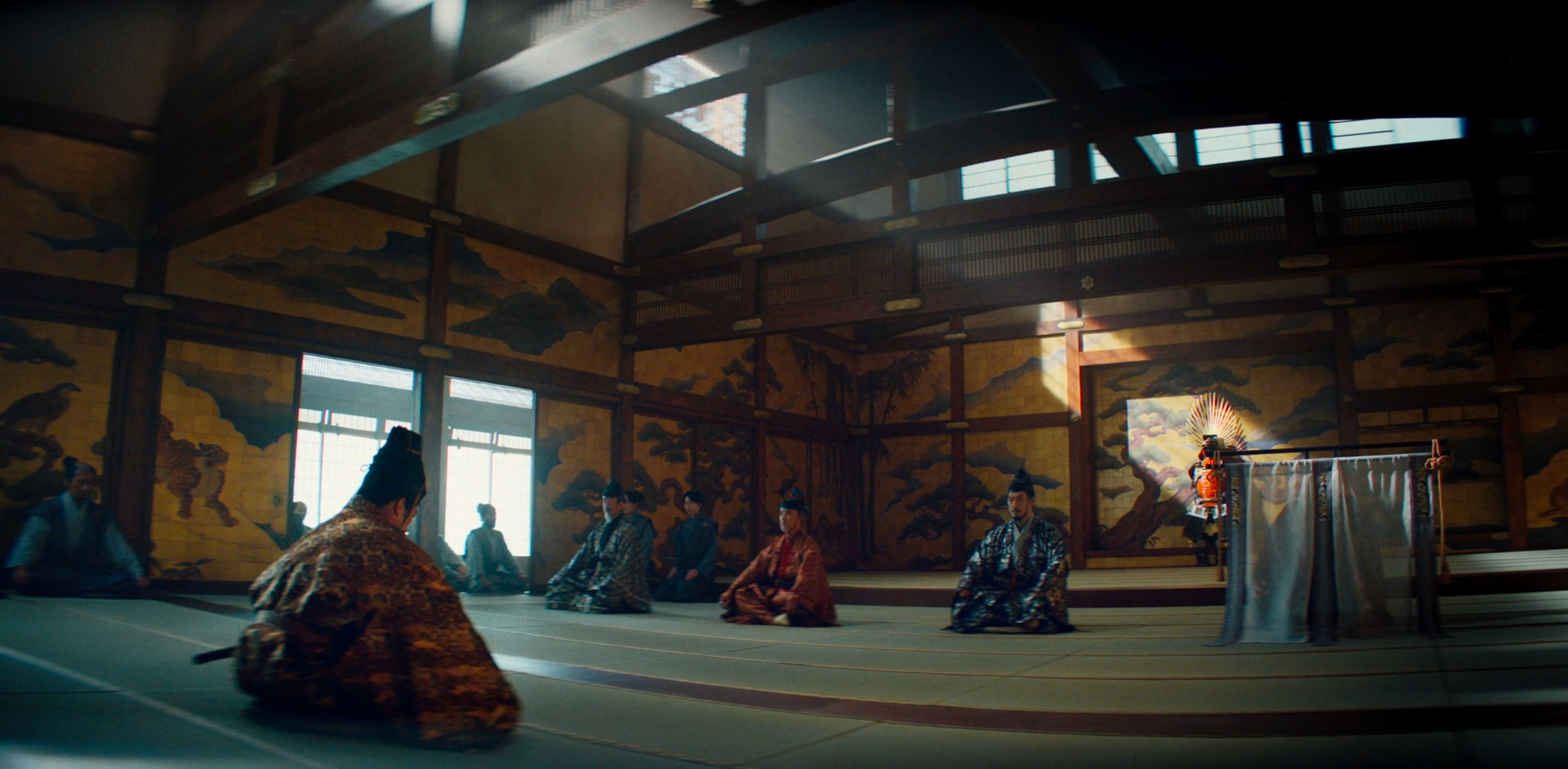
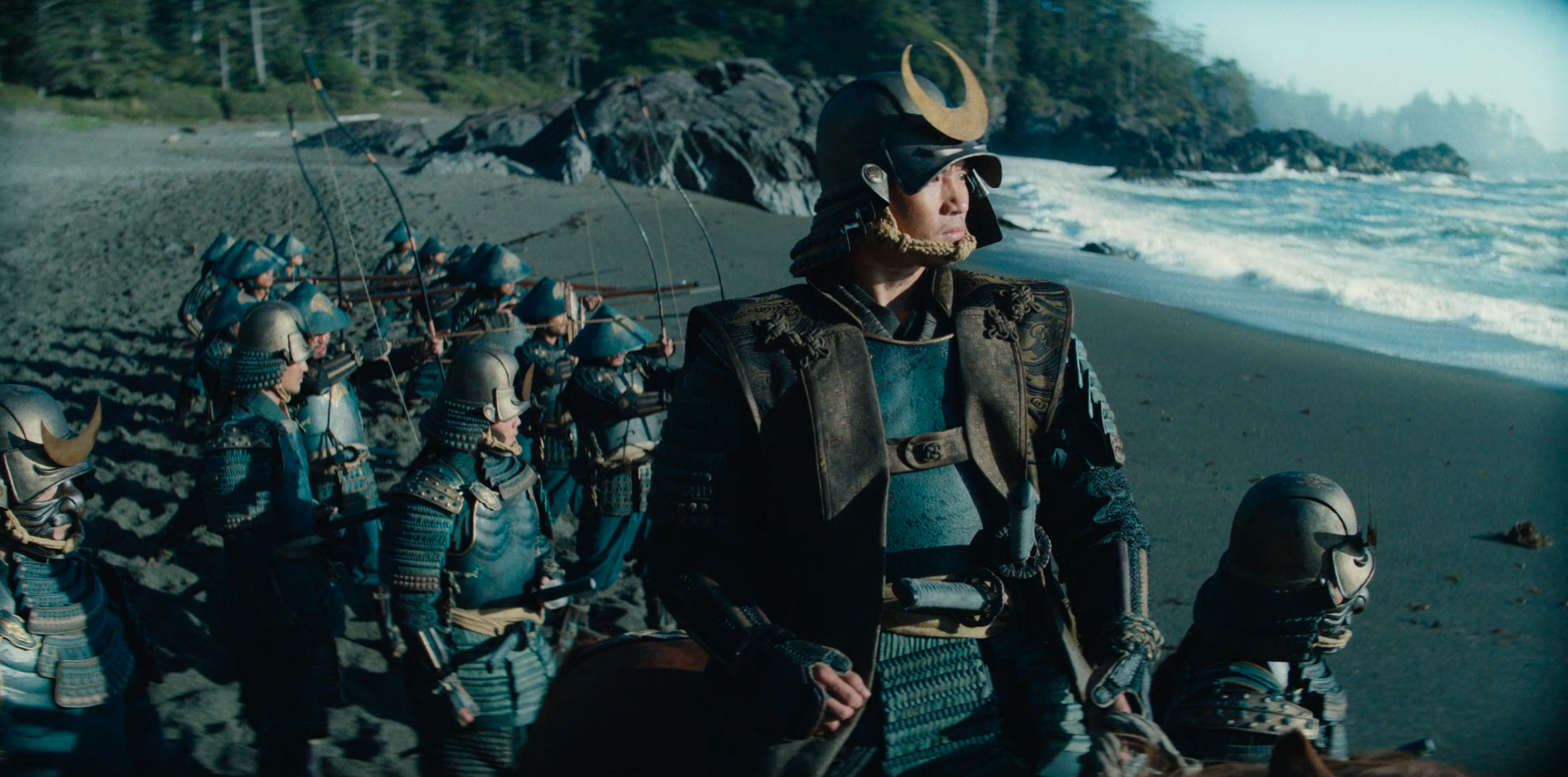
Not to the level of the images this thread is talking about but I must mention the cinematography of Shogun, a new series currently airing. They made heavy use of distortion and vignetting to a great effect even, if it can be too much at times (A few distorted faces in focus). Not often you see a series go so far with their styling in a consistent matter over its run, but I’m glad they did as it gives it a more elevated feeling, as if you’re watching something out of a historical legend.
Of course there’s thousands of films out there with similar usage of these effects, but since this one is currently in the spotlight and many places are discussing this very same heavy use of distortion/vignetting, I thought I’d mention it.
I recommend everyone to watch it if they are into historical dramas.
2 Likes
Movies/tv are a useful way to think about processing, I think. The effect should ideally be motivated by the narrative or mood, rather than just for its own sake. Why is it there, what is it doing?
3 Likes
Yeah, I also hang out with railroad enthusiasts, when a movie uses a railroad setting these folk sometimes go all apoplectic about colors chosen, structures not authentic, etc. What they don’t realize is the director of photography is looking in the frame for a certain mood, etc, and historical accuracy is usually a second, third, fourth, etc, consideration.
3 Likes