This?
1 Like
Smartphones. Some sensors produce a lot of it but because of quad/nona or whatever bayer they have, it is pretty common. Some sony sensors have it a bit more than Omnivision but it’s pretty bad on almost all modern smartphones. Maybe because of the different remosaicing they use. You don’t know it until you’re in dt 
You might have a ton of examples if you already shoot RAW on your smartphone.
There are raws included in these posts but you might have them already…
3 Likes
Yes - the city building image is my demosaic nightmare 
2 Likes
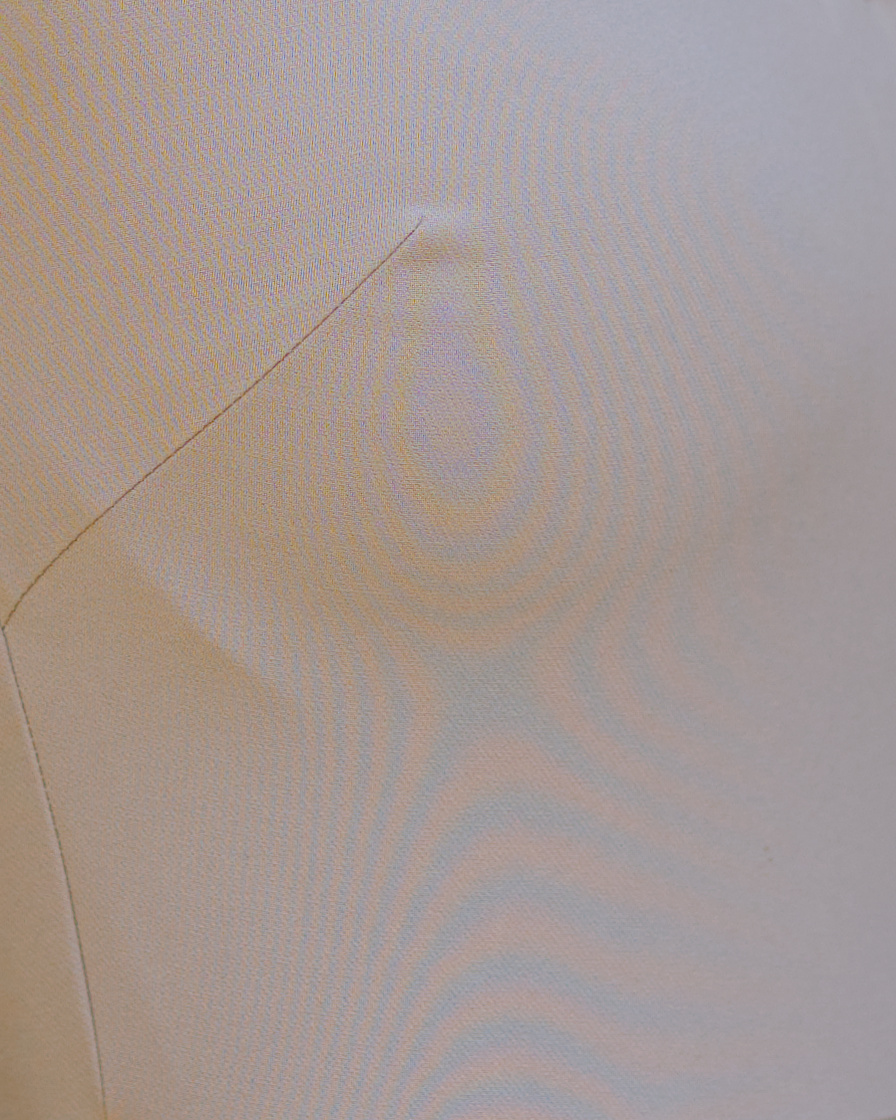
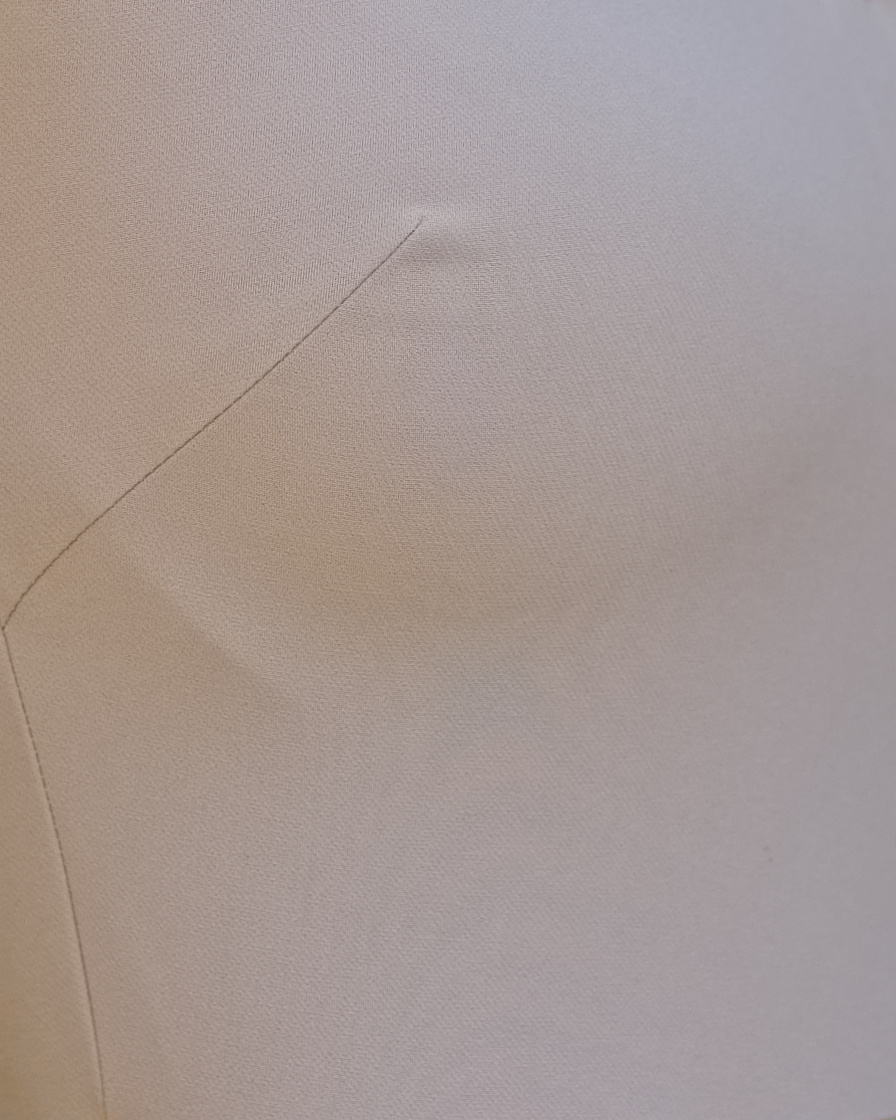
Moiré is following me. Not even a week after the last one! 
Tried some diffusion combined with chromaticity blending and I can live with the result, for now.
3 Likes
@hannoschwalm Here are some of my experiments with moiré.
I have a collection of images with bad moiré I can hunt down if you want them.
2 Likes
- Yes - i would like a “moire-collection”.
- I had a quick look through above links, i now remember those. Not sure how those fit into dt demosaicing model. Maybe we share ideas via mail? Would be nice to start a “new project”
2 Likes
No one seems to have mentioned that some cameras (eg Nikon D800) have a built-in anti-moiré filter. This introduces a slight blur at the sensels, after the light has been filtered by the Colour Filter Array.
This suggests that a digital fix might be to slightly blur the grayscale image before it is de-mosaiced. I haven’t experimented with this as I use a D800 which doesn’t suffer moiré.
It seems to me (I could be mistaken) that more recent cameras don’t have anti-moiré filters.
4 Likes
I believe demosaicing algorithms already do this to a certain extent but are hard coded and therefore not adaptable to specific moiré control needs.
Look forward to the next amazing collab. 
There is no “classical” signal-processing fix for moiré (classical here means non-ML). The signal is literally lost in the frequency domain, you cannot reconstruct it.
You can only mitigate the phenomenon at the cost of degrading the information content of the image. Sometimes this works fine though without apparent loss in image quality, but it is always a judgement call.
Some do, but they are weaker than they used to be, because of the obsession with “sharpness”. Manufacturers don’t release detailed specs about this, because the armchair photographers will immediately denounce the camera at the slightest hint (Canon seems to be immune to this. Good for them). “Having no AA filter” is actually a considered an advantage by pixel peepers.
To be fair, the higher the resolution, the less likely you are to encounter moiré. When sensors were 6-8 Mpixels it was much easier to run into.
2 Likes