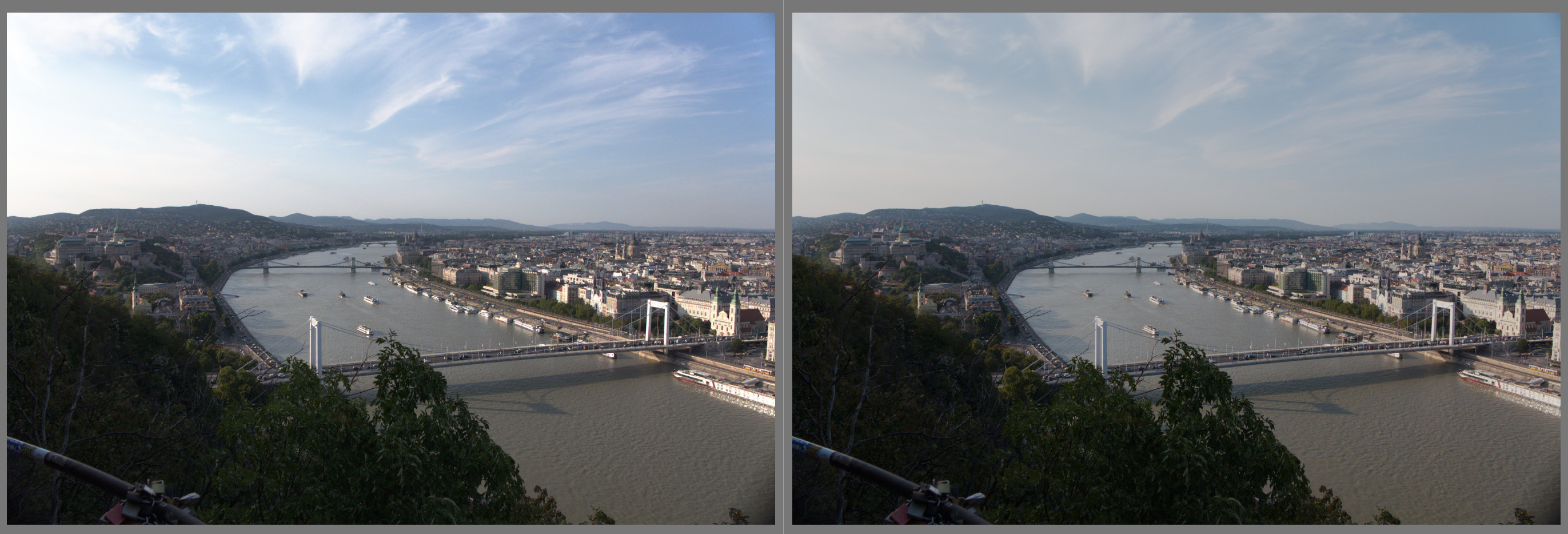
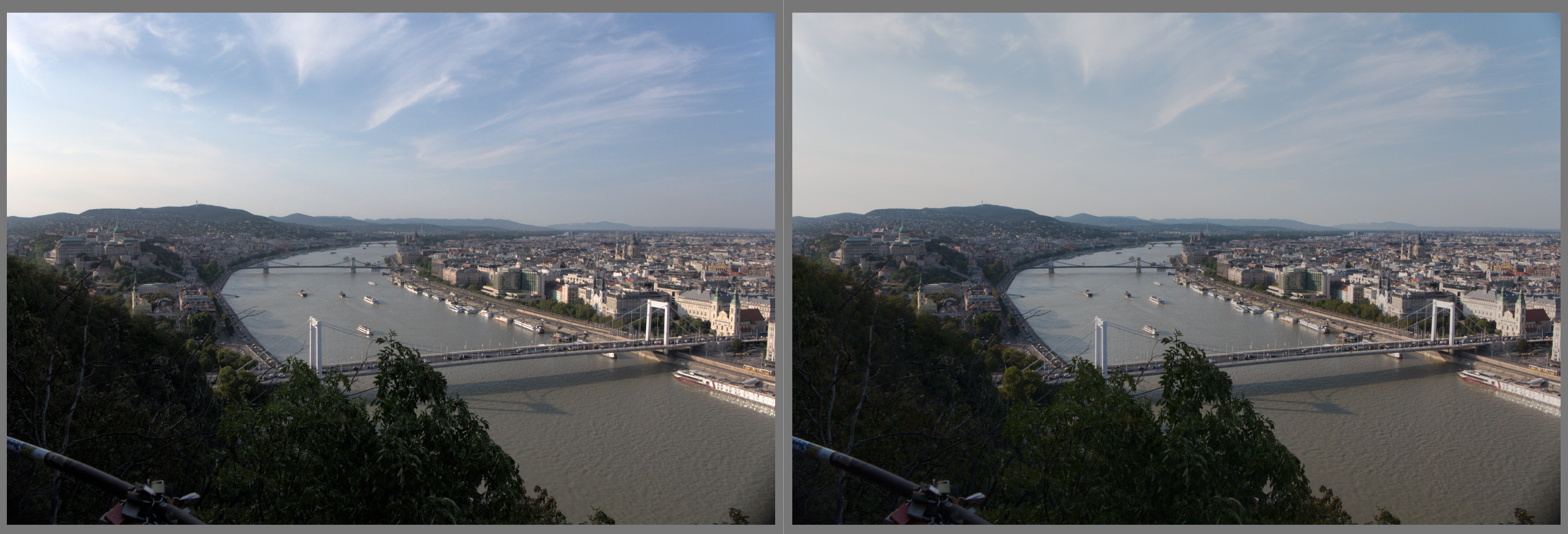
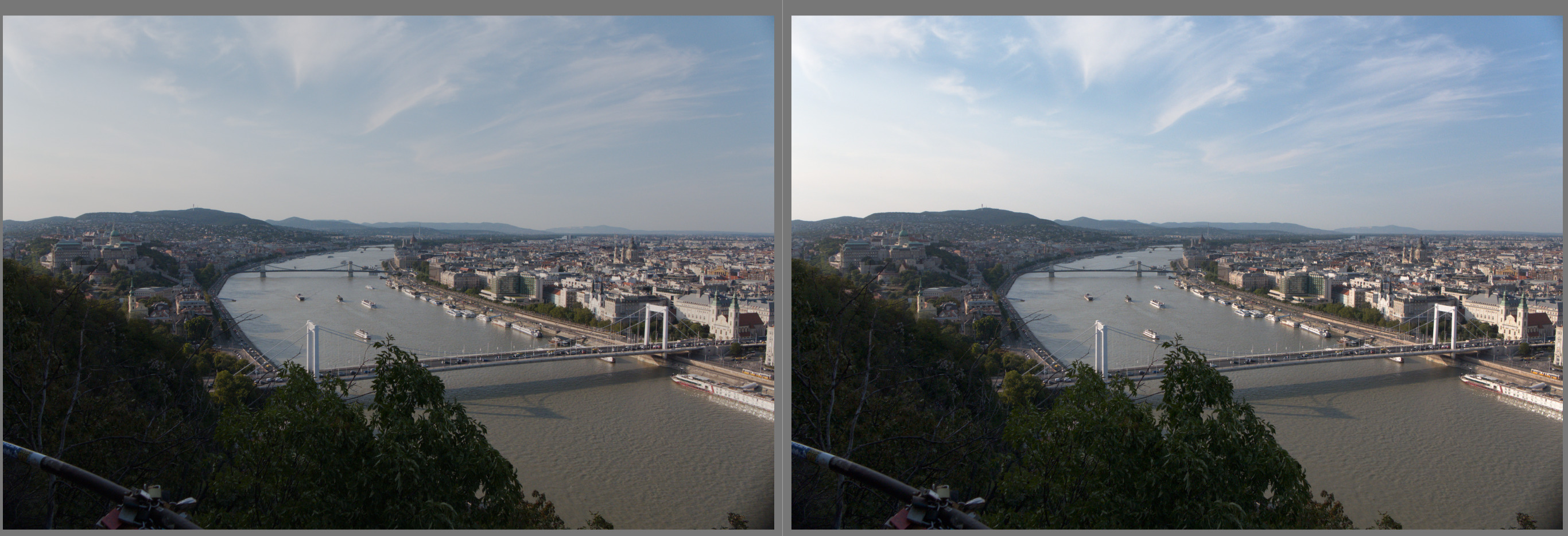
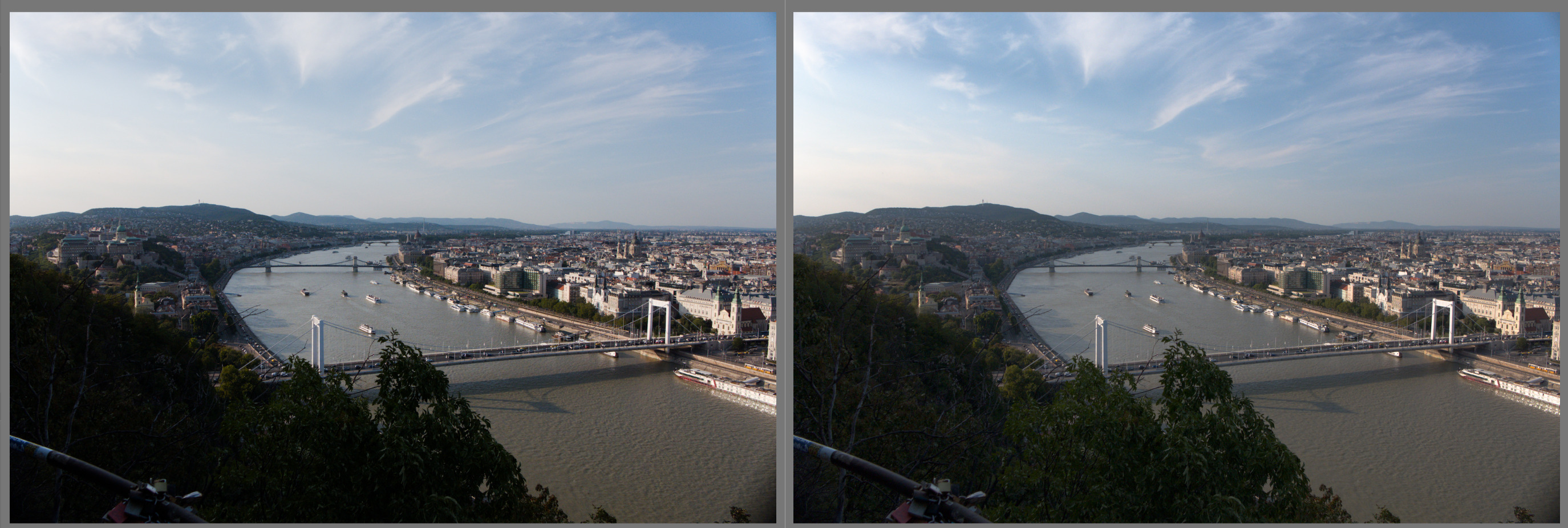
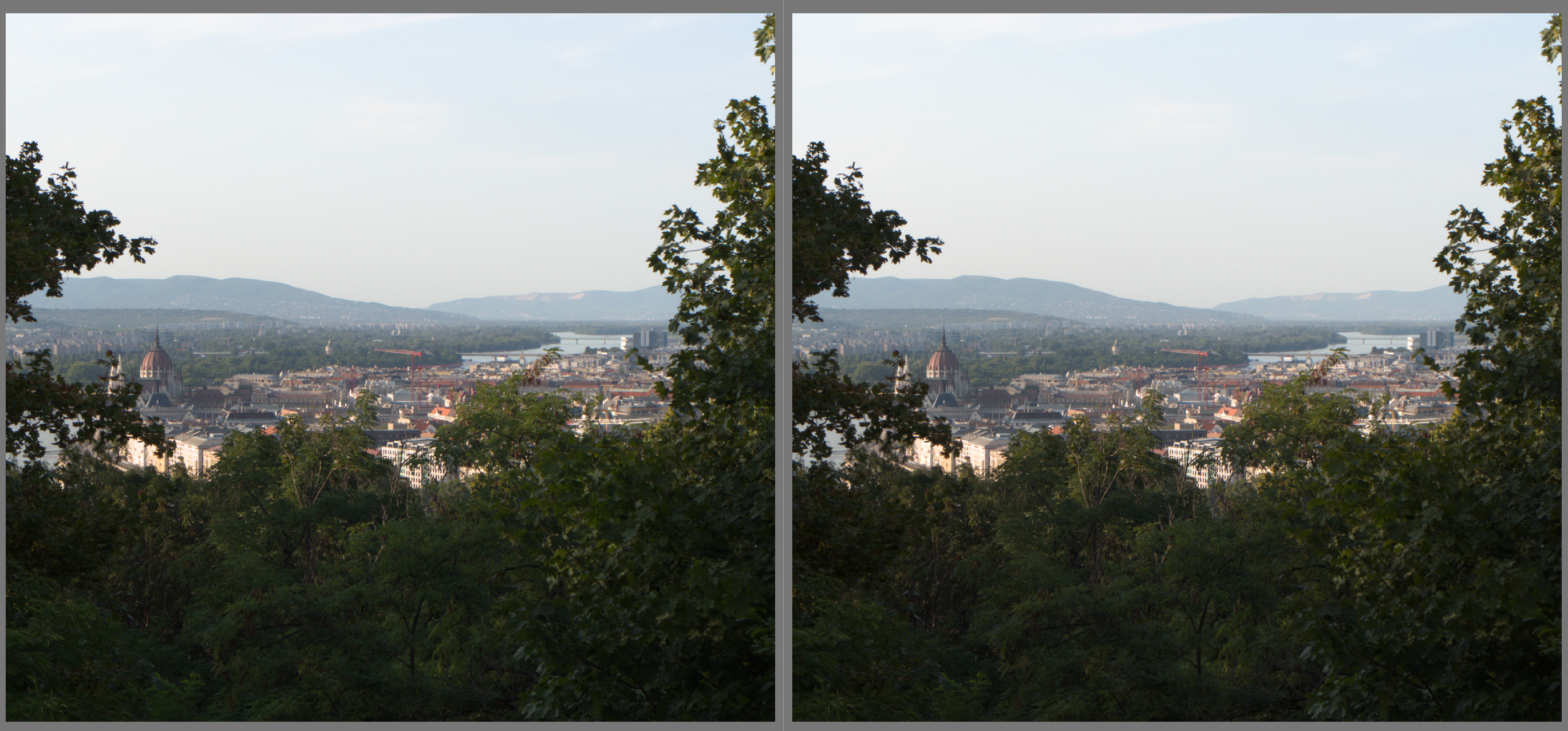
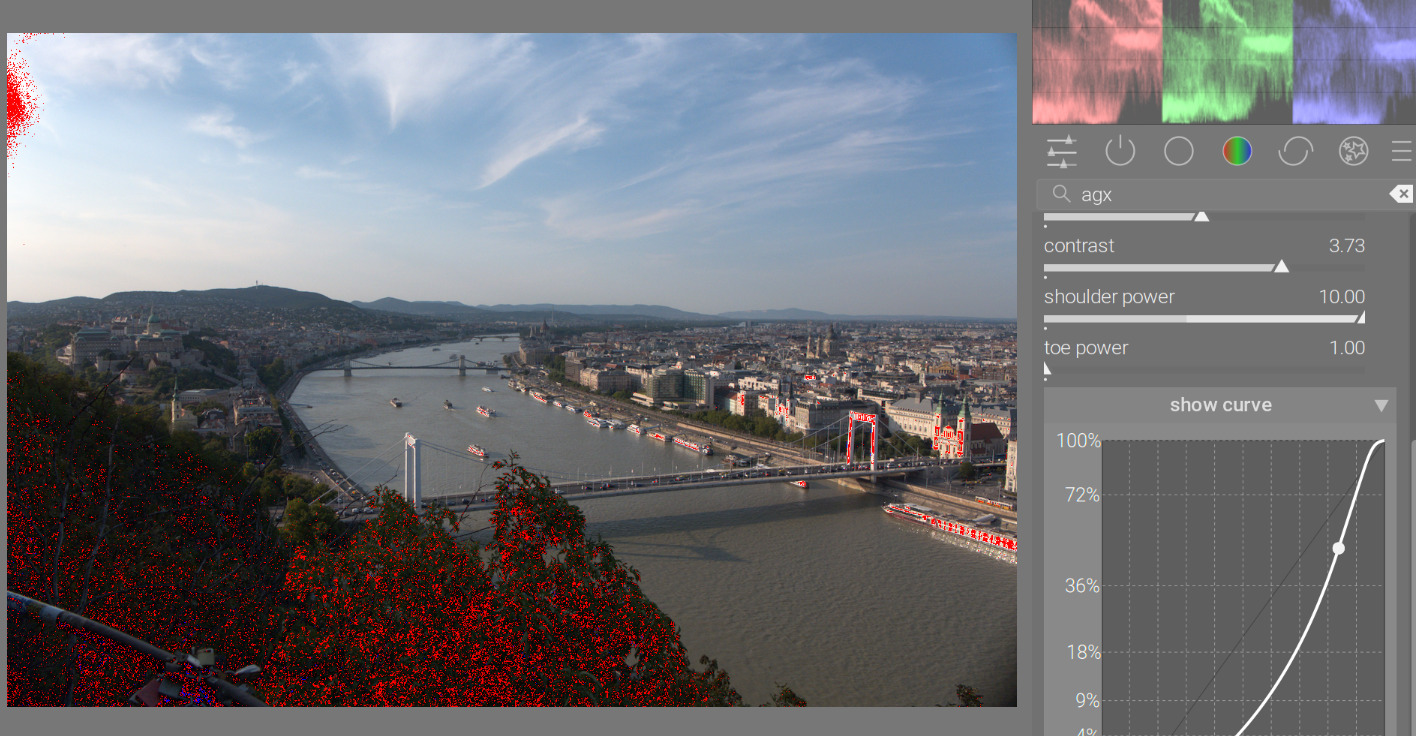
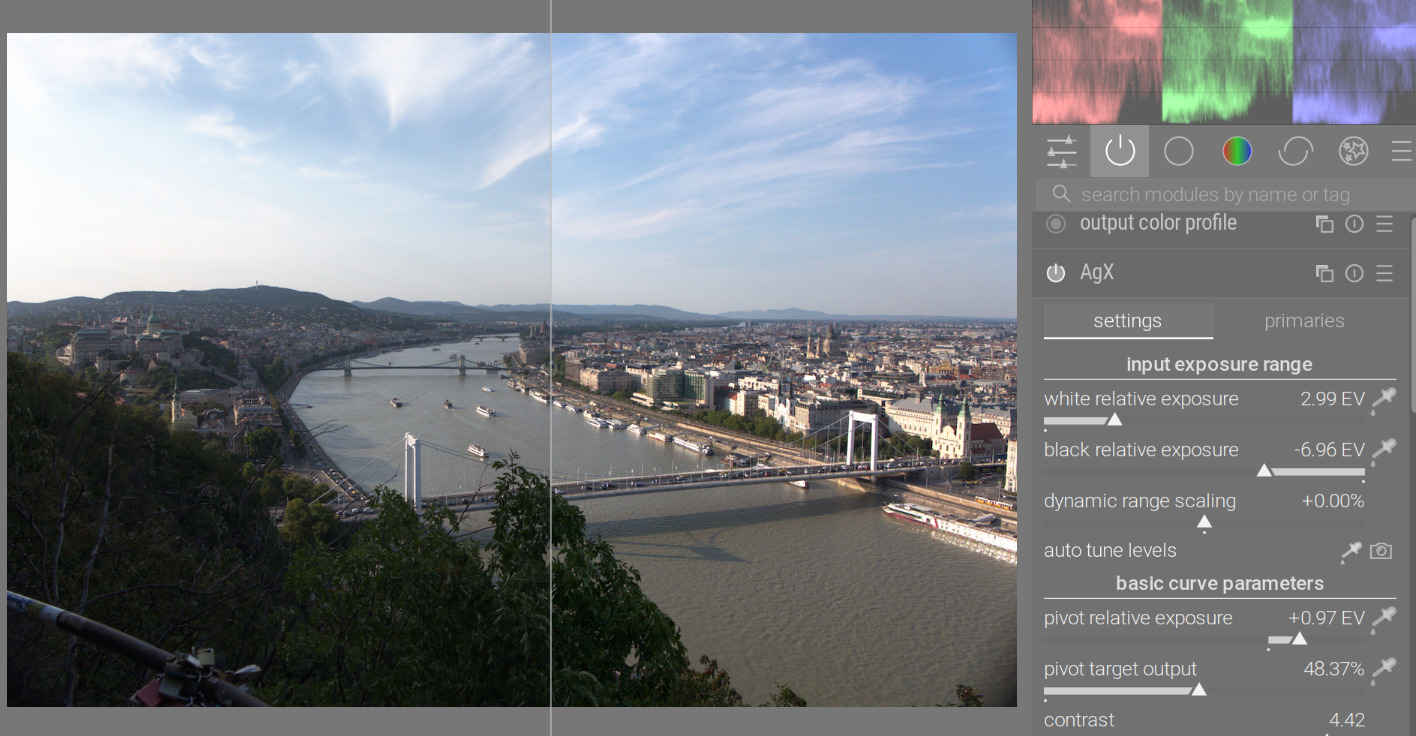
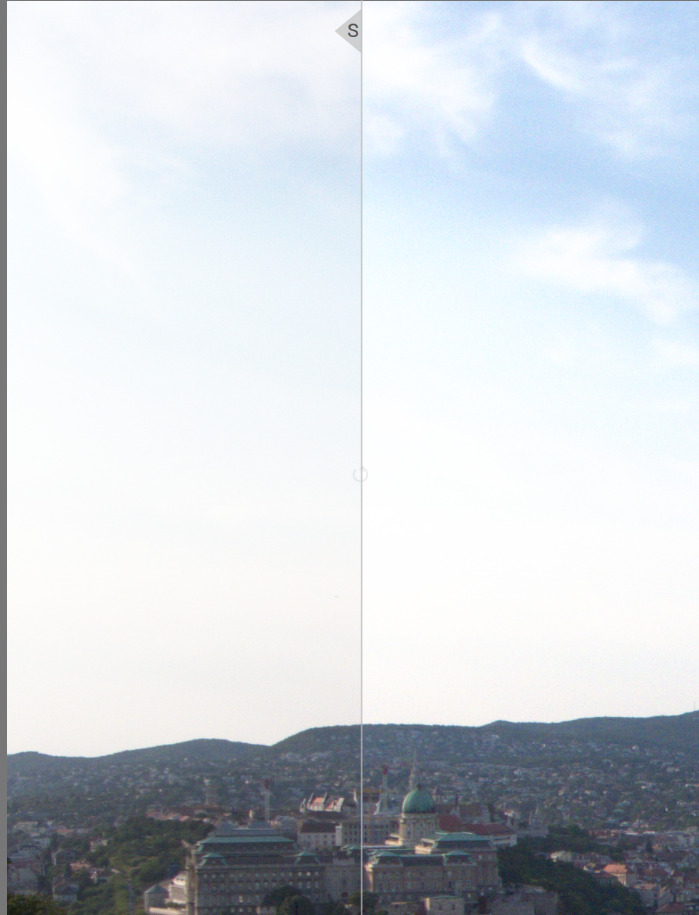
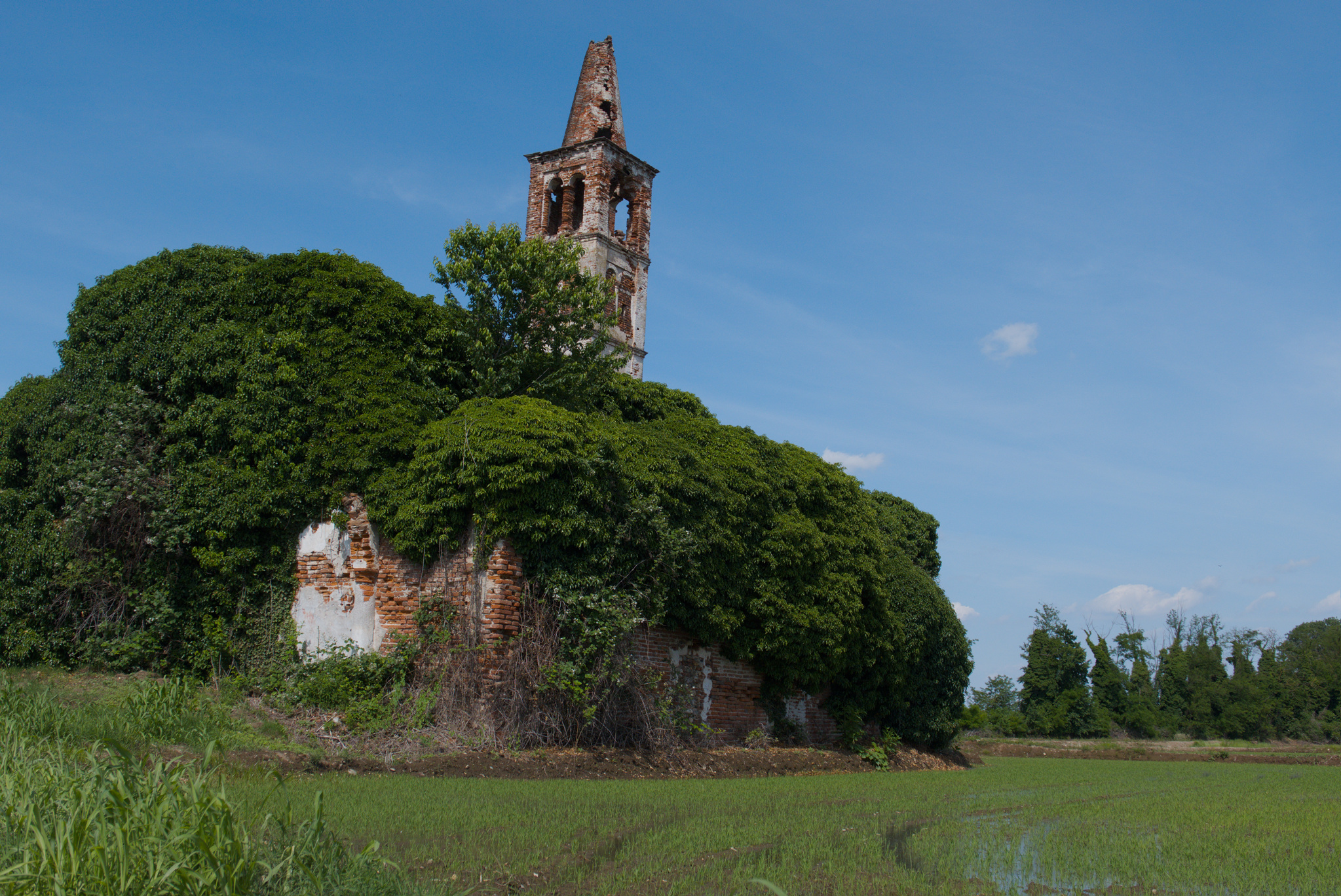
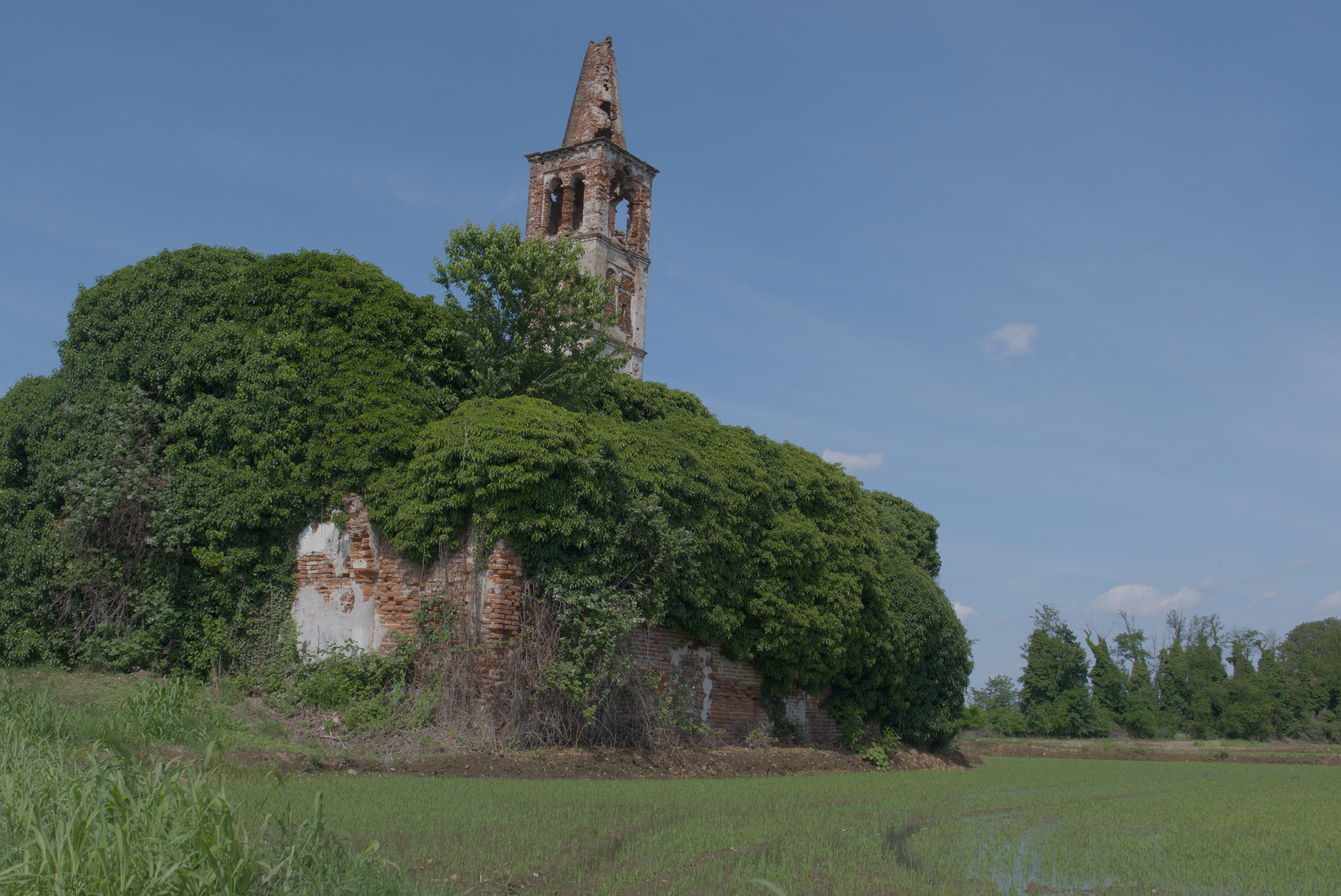
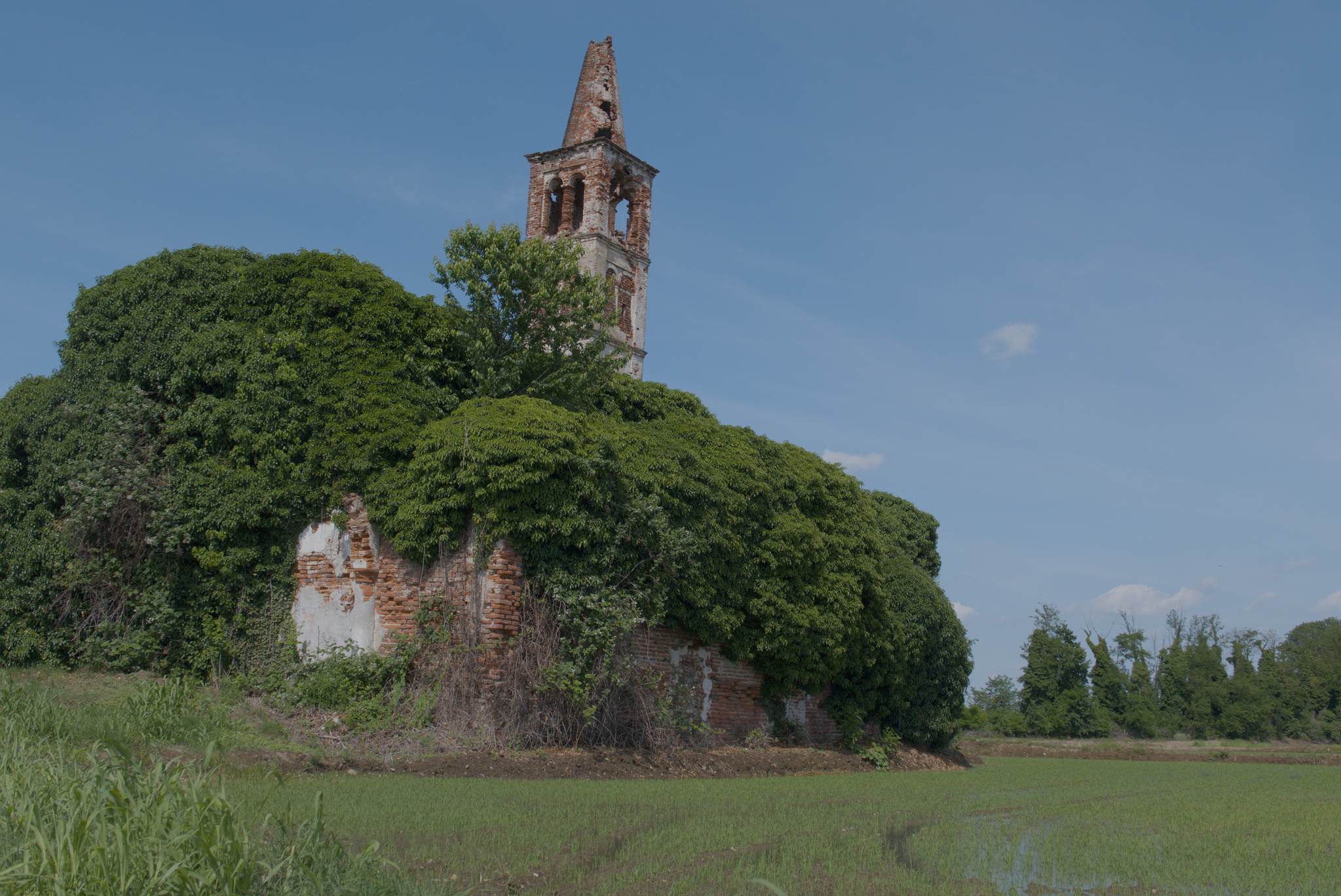
Hey guys, I’ve been playing around with AgX for some time. I definitely can’t say I’m an expert in using it, but so far, here are my findings with regard to the strengths of each tonemapper:
Filmic feels to me one of the easiest to use and most natural for preserving colors and natural tonal range when the tonal range is concentrated into the highlights. The main downside of filmic is the highlight rolloff, which requires some tweaking to get right and even then it cases with very bright areas like the sun, it still is unlikely to be as smooth as Sigmoid.
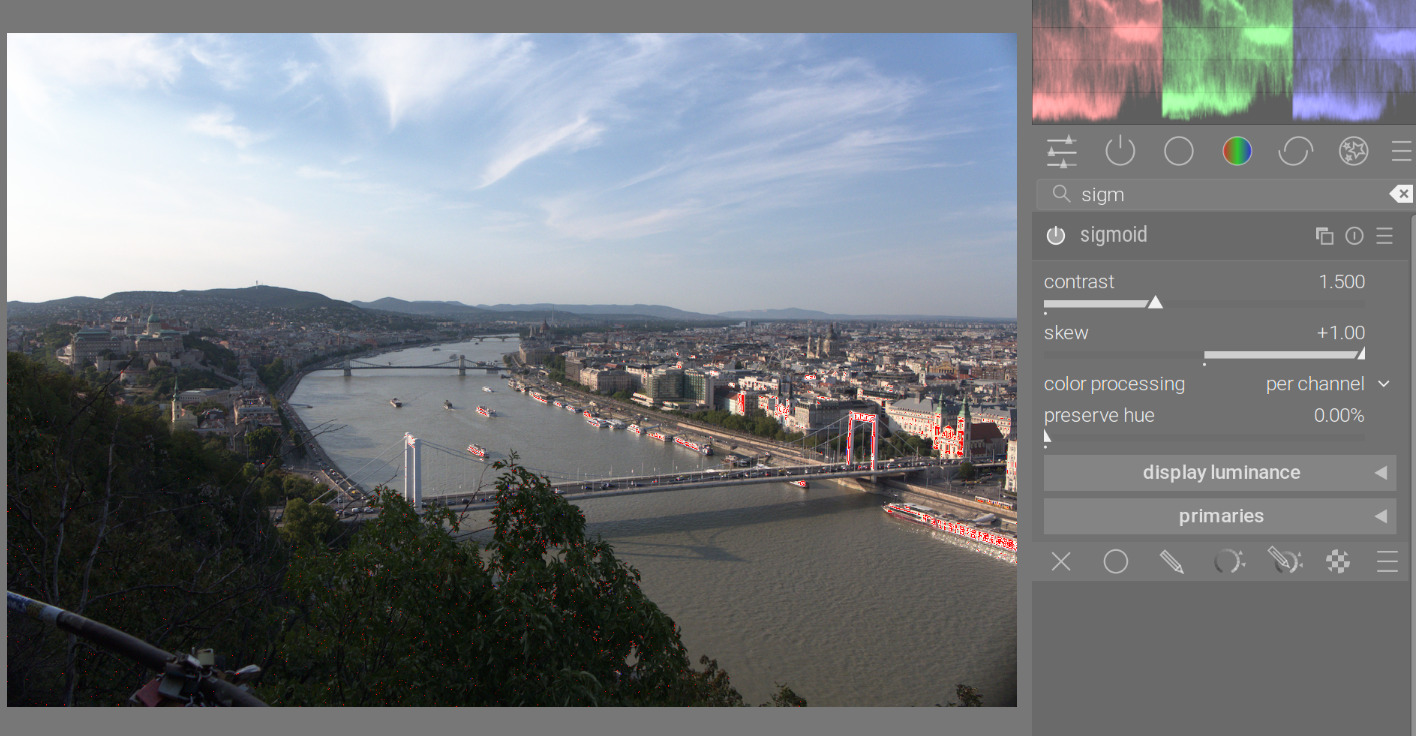
Sigmoid’s strength is the highlights falloff. The falloff with Sigmoid is always the most smooth and requires the least tweaking out of all of the tonal mappers. I also like Sigmoid for creating a certain look. Hard to describe but it often gives that classic, flattened “sigmoid look” probably due to the way it handles colors and tones in the highlighs. The weakness of sigmoid may be the color handling and the relatively difficulty of preserving tonal variation in the highlights by itself, though one can of course use it in conjunction with the tone equalizer and other tools
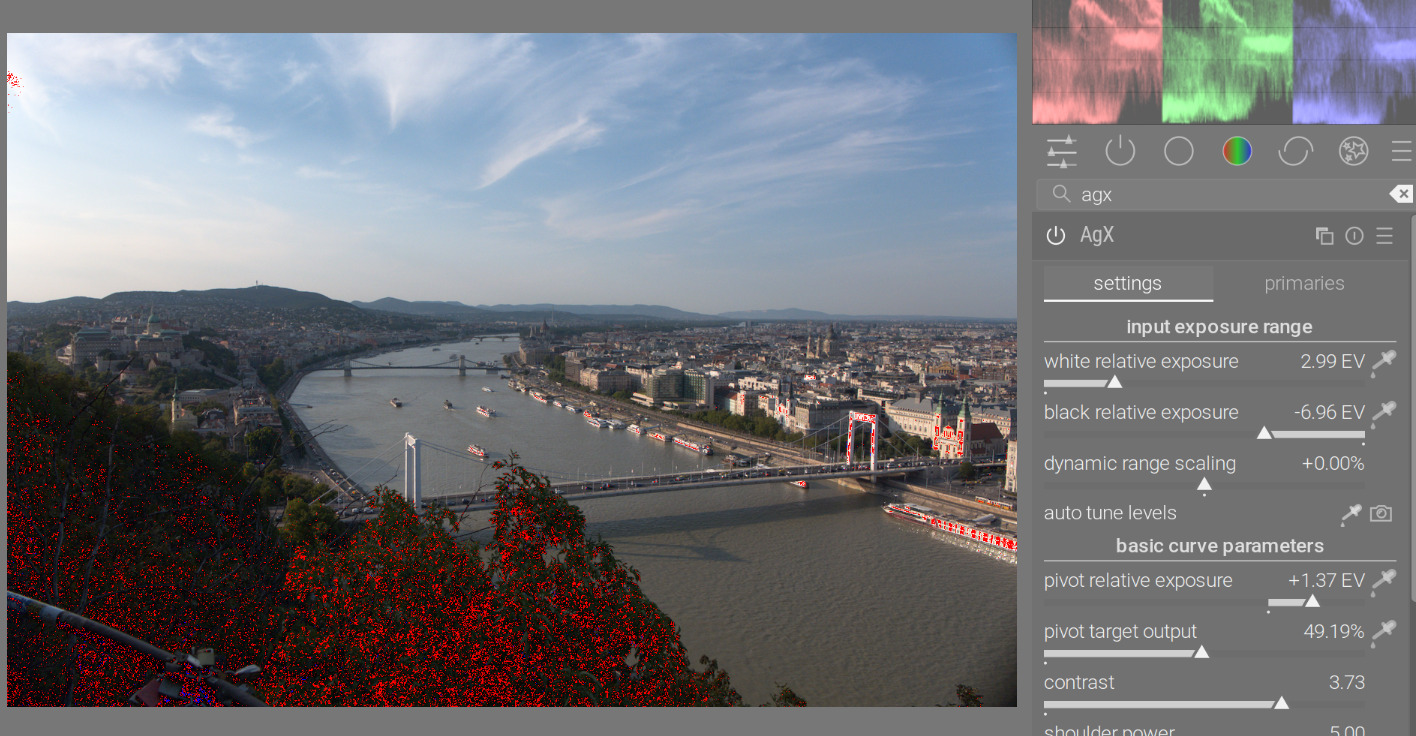
AgX seems to me the best tonemapper in terms of the philosophy “expose for your subject”. So it seems well-suited to those cases where the main subject is a bit underexposed and for creating a good balance between highlights and shadows
Overall I think it’s great to have three tonemappers of very different characters. Sometimes I think AgX is the most natural, whereas at other times it seems Filmic is just the easiest to start with if you want a pretty neutral starting point. And Sigmoid of course is still my favourite for blown out super-bright highlights.
Of course, the disclaimer is that I am not as familiar with AgX as I should be and I need to use it more before completely understanding it!
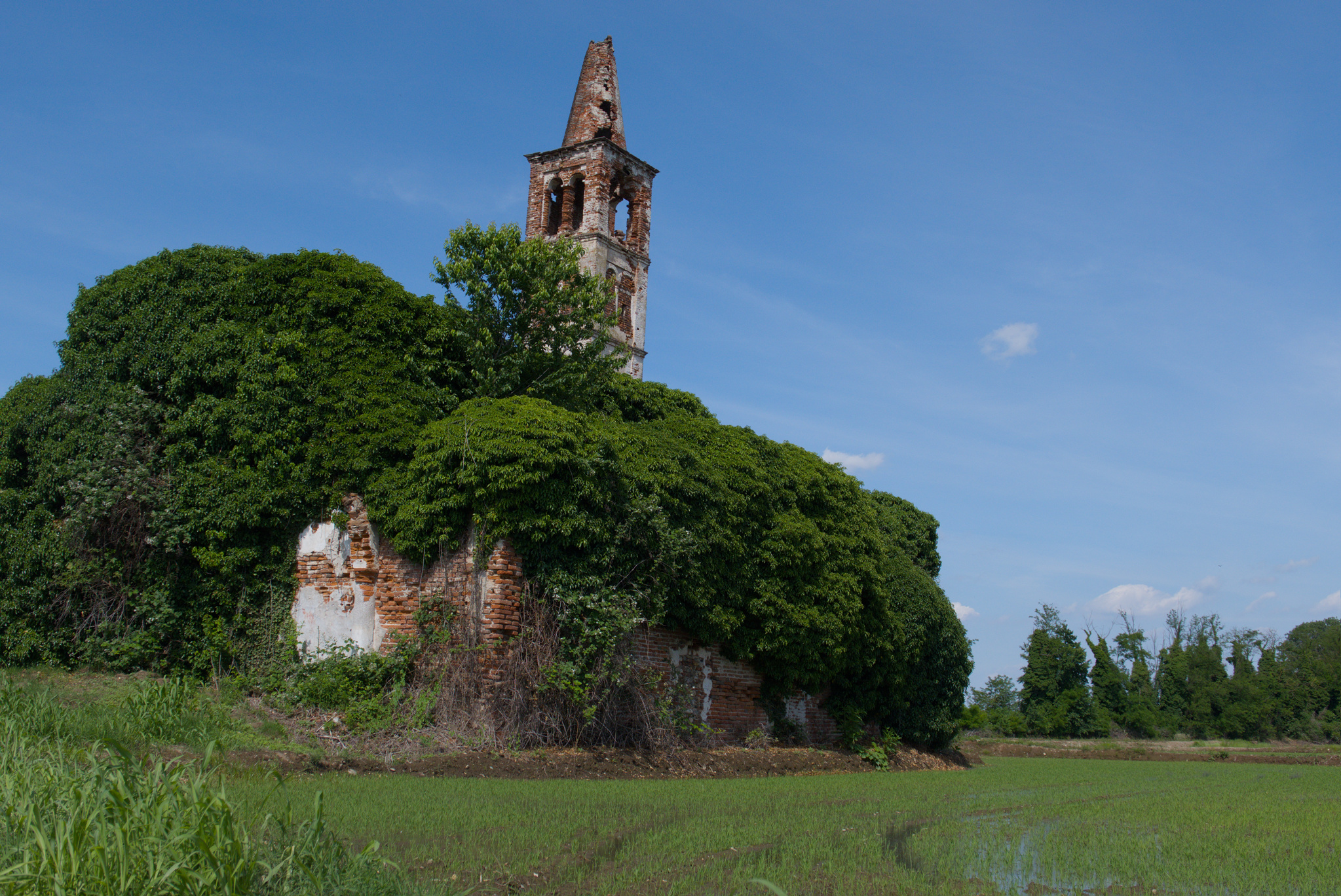
I find that filmic produces deeper blue skies – but sometimes (not always) they look too dark and saturated to me.
I do not have much experience with sigmoid.
If you don’t use the RGB primaries with sigmoid, you can use the unmodified primaries preset with AgX, and just use look|preserve hue to control colours. If you like sigmoid’s smooth preset, the identical primaries manipulation is also available as an AgX preset.
I agree that all tone mappers have pros and cons.
Have fun; I’ll be interested to hear about your experience (not just regarding AgX).
To me so far, AgX gives a great middle ground between the complexity of filmic and the simplicity of sigmoid.
When I was learning darktable, and simultaneously trying to wrap my head around what the hell a tone mapper is and how to use filmic, I found it very easy to get myself in a loop where I would tweak something to fix a problem, which created another problem, so I’d tweak something to fix that problem, which would create another problem, and so on. Admittedly, that was highly likely a skill and knowledge issue but it just never felt intuitive to me.
Sigmoid on the other hand felt very simple for me and never required too much tinkering. I could use the smooth preset in cases were certain colors were not working right (bright yellow flowers, etc). But other than that I rarely felt like I had to do much with it. The flip side is that on the rare occasion I did have some sort of problem that the smooth preset didn’t fix, the simplicity of it made it hard for me.
AgX has a lot of controls but most of them feel unnecessary for normal use, but can be useful when needed. Most of the controls seem to affect specific things, and don’t cause the same circular issues I experienced with filmic. The controls are more intuitive to me, and it’s easier to see the effects in the waveform. Or, I’ve just gotten more knowledge and skill overall. Maybe I should revisit filmic sometime and see how it goes…
Regardless of personal opinions, the more I learn about these tone mapping tools the more I realize how powerful they can be. And the fact that darktable has THREE of them with different strengths and weaknesses is pretty amazing. Everyone will have their favorite and they will be more or less intuitive to different people, but none of them are inherently bad.
Sigmoid does safely fade to white… Filmic does have the hard safe and smooth options for the shoulder…I have not tried a direct side by side on such and image as the one you reference but likely there is this option as a modifer as I think the filmic default is hard…
From a teaching point of view filmic was a nightmare to teach and do it justice. But then along came sigmoid which just gave nice colors out of the box. I stopped torturing myself with teaching filmic and concentrated on Sigmoid. Now AgX has come along and it combines the ease of use of sigmoid with the flexibility of filmic. I will teach both AgX and Sigmoid in my next class. I will make mention of filmic and base curve. I have found base curve exposure fusion very useful with backlit birds sitting in trees. However, some recent edits of similar shots have been managed well by AgX.
It is great that DT gives us the choice of tone mappers and we are not forced down a single pathway or given a tone mapper in a black box that we have no control over.
I love the control AgX brings. It allows me to create way more contrasty photos then I was able to do with filmic because of how filmic gets super harsh with increased contrast setting.
AgX contrast characteristics come close to AgX Emulsions film simulations for some photos.
On the other hand the way AgX desaturates highlights makes skin tones in many family photos look pale. I feel like filmic combined with the basic colourfulness preset comes closer to what my eyes percieve in regards to skin tones of e.g. my son.
Also I feel like AgX twists skin tones and the fur of my cats slightly towards green. But that might also be a perceptual issue with the monitor of my laptop.
The biggest difference between the three is the saturation of highlights. Filmic holds on to a lot of saturation, sometimes to a fault; it tends to look unnatural if driven too hard. Sigmoid looks a lot more realistic, with a pleasant transition to white. AgX offers a ton of control, and has a wonderful punchy look when you increase contrast. But I sometimes find the highlights tend to desaturate a bit too early for my tastes. (Is that something you can tweak?)
I’m considering going back to Sigmoid for some pictures where that is a problem. But AgX’s tonal control is hard to give up.
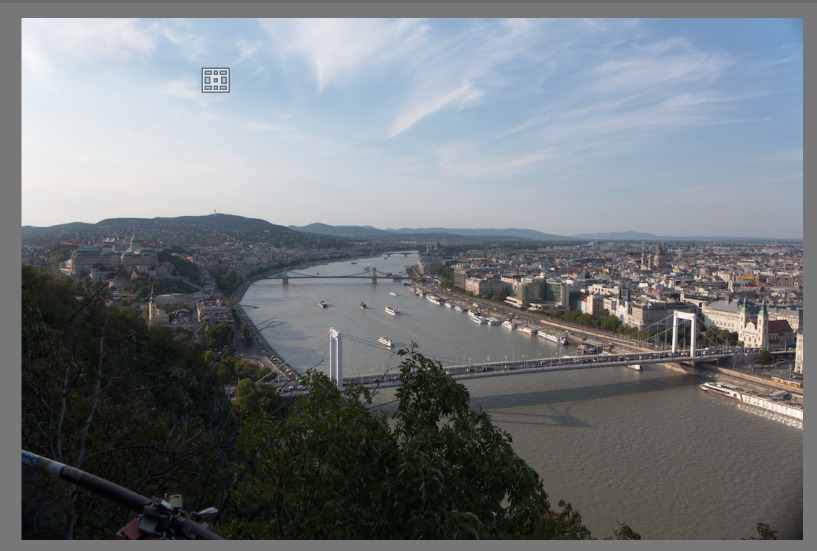
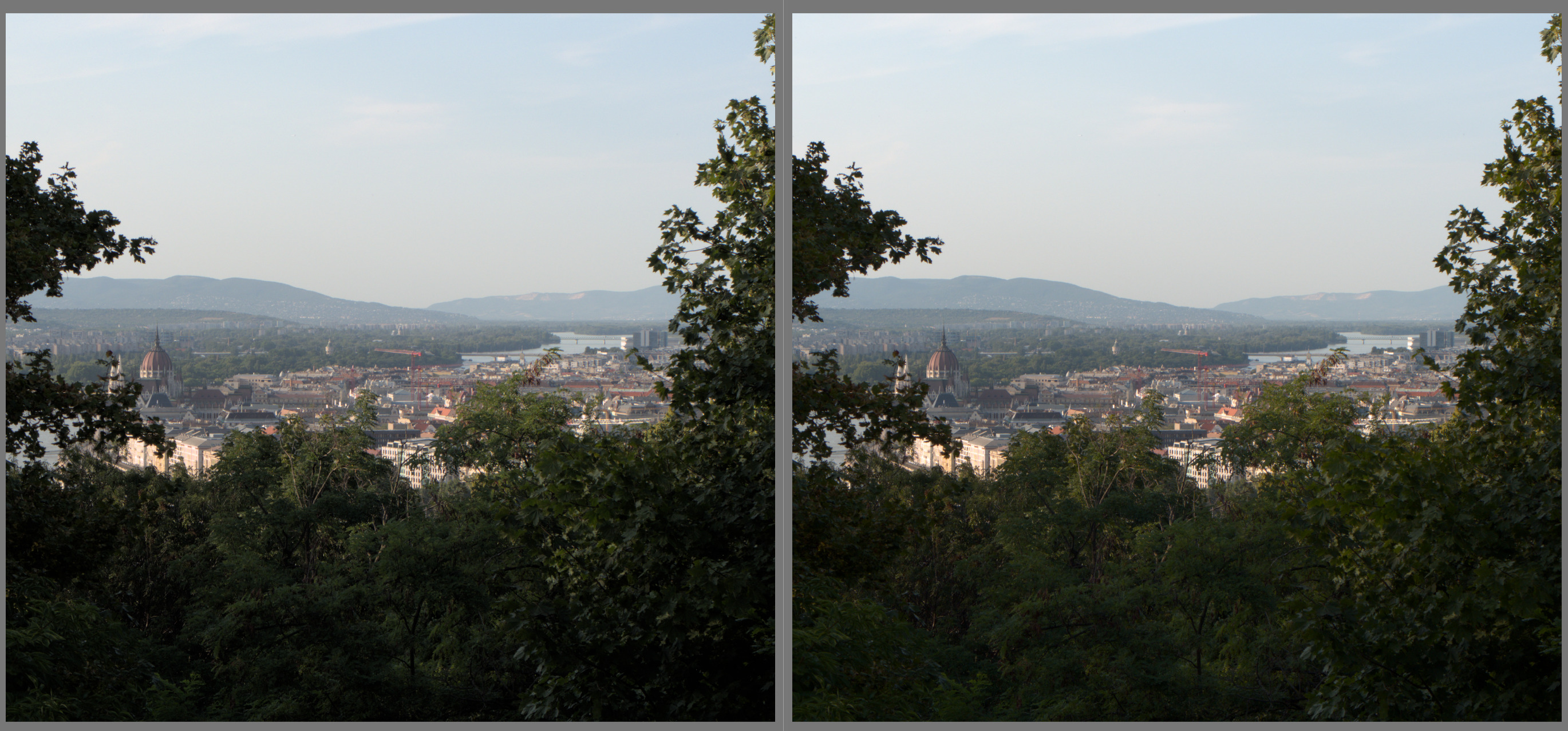
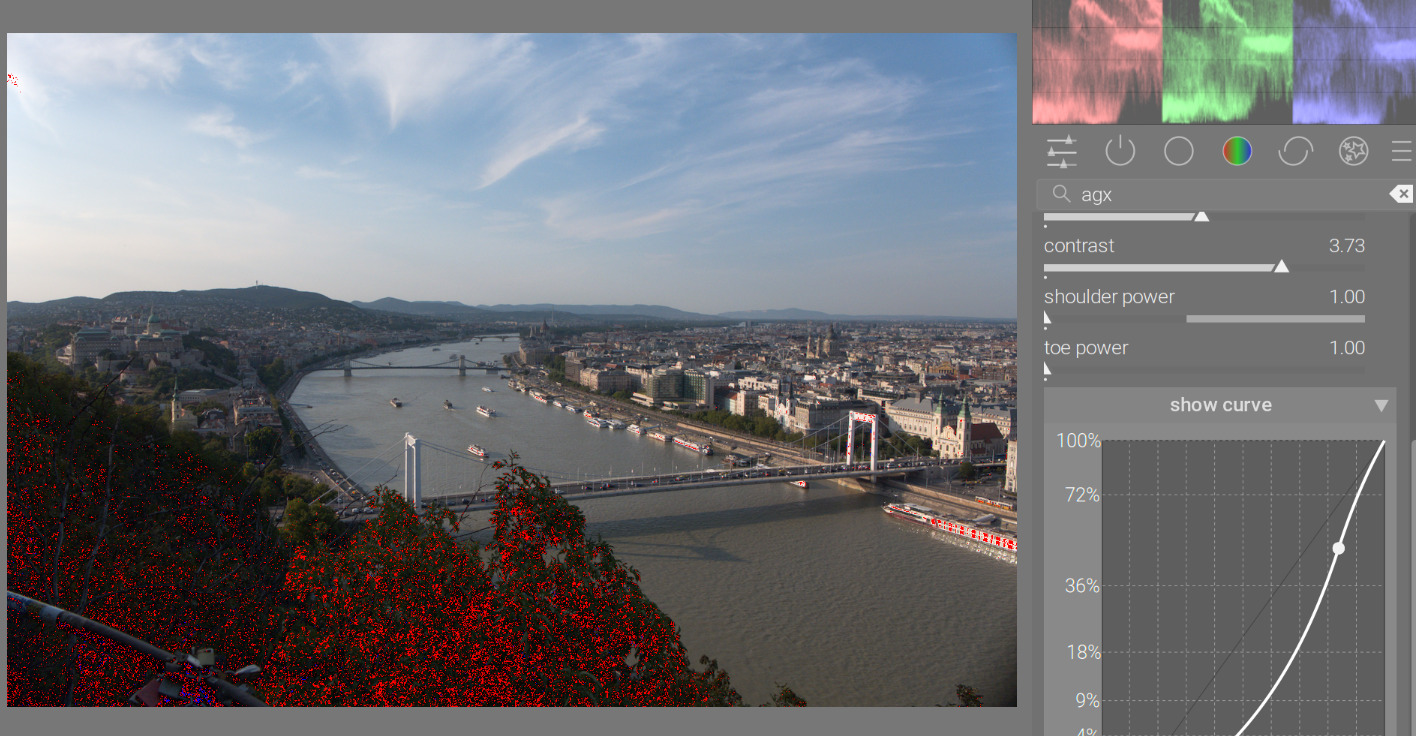
A more difficult, hazy sky (not a fair comparison, as I didn’t spend much time tuning filmic and sigmoid, but I did experiment quite a bit with AgX trying to match them – which is not the purpose of editing, normally):
I find such comparisons not all that interesting, for several reasons:
Trying to copy results from one tonemapper to another ignores the effect of all the other editing steps (I suppose you keep them identical).
I’m not interested in knowing that you can get the same result with all tone mappers (at least up to a point, I expect being able to get the same result whatever tone mapper I use), what interests me is the effort required to get from a raw file to the result I want. The tone mapper is only part of that process.
And a minor nit: you don’t give settings for any of the tone mappers; perhaps not an issue for sigmoid, but in filmic, there are quite a few options that change the look (e.g. the three curve options for shadows and highlights).
And of course, your best edit is quite possibly not my best edit…
filmic works by calculating a norm (‘tonal value’, ‘brightness’, in some sense; there are multiple algorithms), and uses that for the input of the curve. AgX and sigmoid both use a per-channel curve.
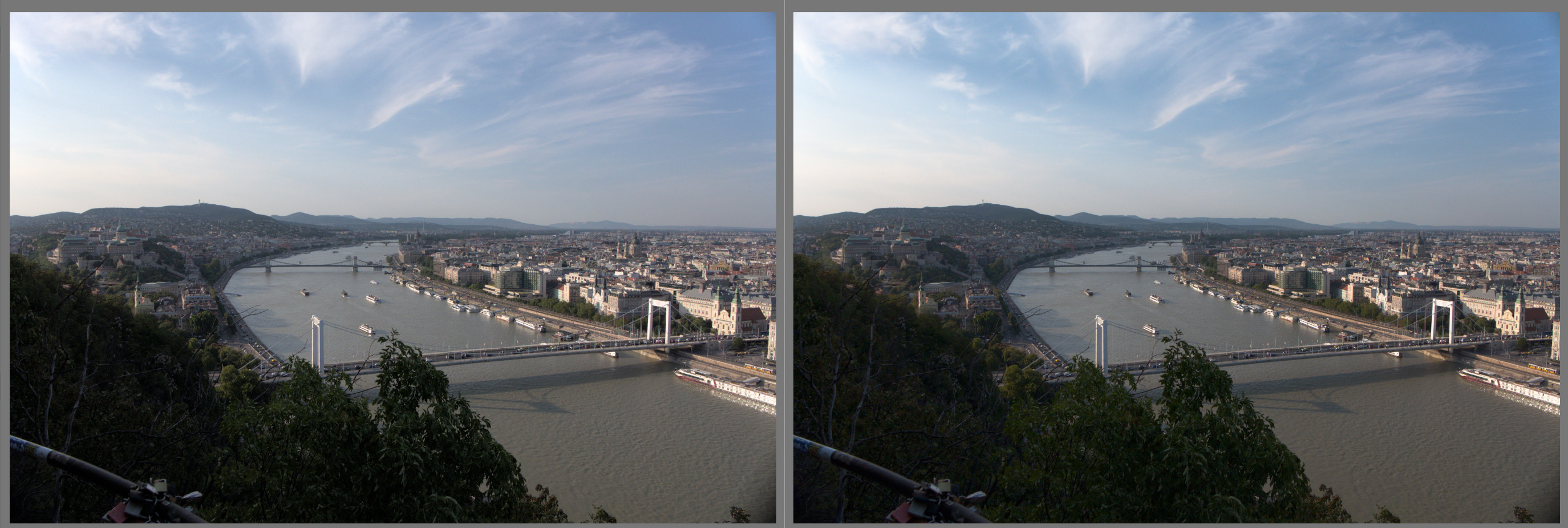
Here is one image, where I pushed sigmoid towards bright values:
I agree with all points.
We’ll see how AgX plays out in the long run, which tone mapper people use for what kind of images. It’s just another module, not intended to replace any other, just to provide another option.
I could post the images, but everyone has enough photos on their computers to evaluate their own preferences.
On the other hand people often make blanket statements about how something works or doesn’t work based on their attempts or understanding so it can be good just to demonstrate to them that a module is not confined or defined by their current “perception” if that is the case.
Though context is important as noted by @rvietor . Do you need 10 more steps or x number of supporting modules or a different workflow. Filmic was a good example. Many people wanted or maybe the word was expected it to do more rather than looking at it as part of a workflow that need support from other modules for color so they criticized the way it made images look. So I think offering both demonstrations and detailed analysis and experimentation are both useful esp when combined…