What counts is the outcome. My gamut warnings can be ignored just like those of darktable  As long as the final image is what you like, there are no rules.
4 Likes
I can’t say what is default on what program as I never used any defaults but always looked what fits ME best. And I can’t say very much regarding Lightroom. Last time I looked at it, was around ten years ago. I guess it changed a bit since then.
But what I would like to ask: Is there even a default value for exposure? I’m asking, because the lightroom edit you present here looks for me not that less punchy compared to our renders but it looks a bit underexposed. What happens if you raise exposure for 1 stop? How does this edit look then. Still dull?
The one who decides how a picture should look like should imho allways be the photographer/editor, not a default setting of any program. The default settings are there for having at least something reasonable to start with. Not more not less.
For starting poinnts there are ready made camera styles, delivered with dt (somebody must have spent an enormous effort on this  )
)
This is the output of this camera style made for the used camera:
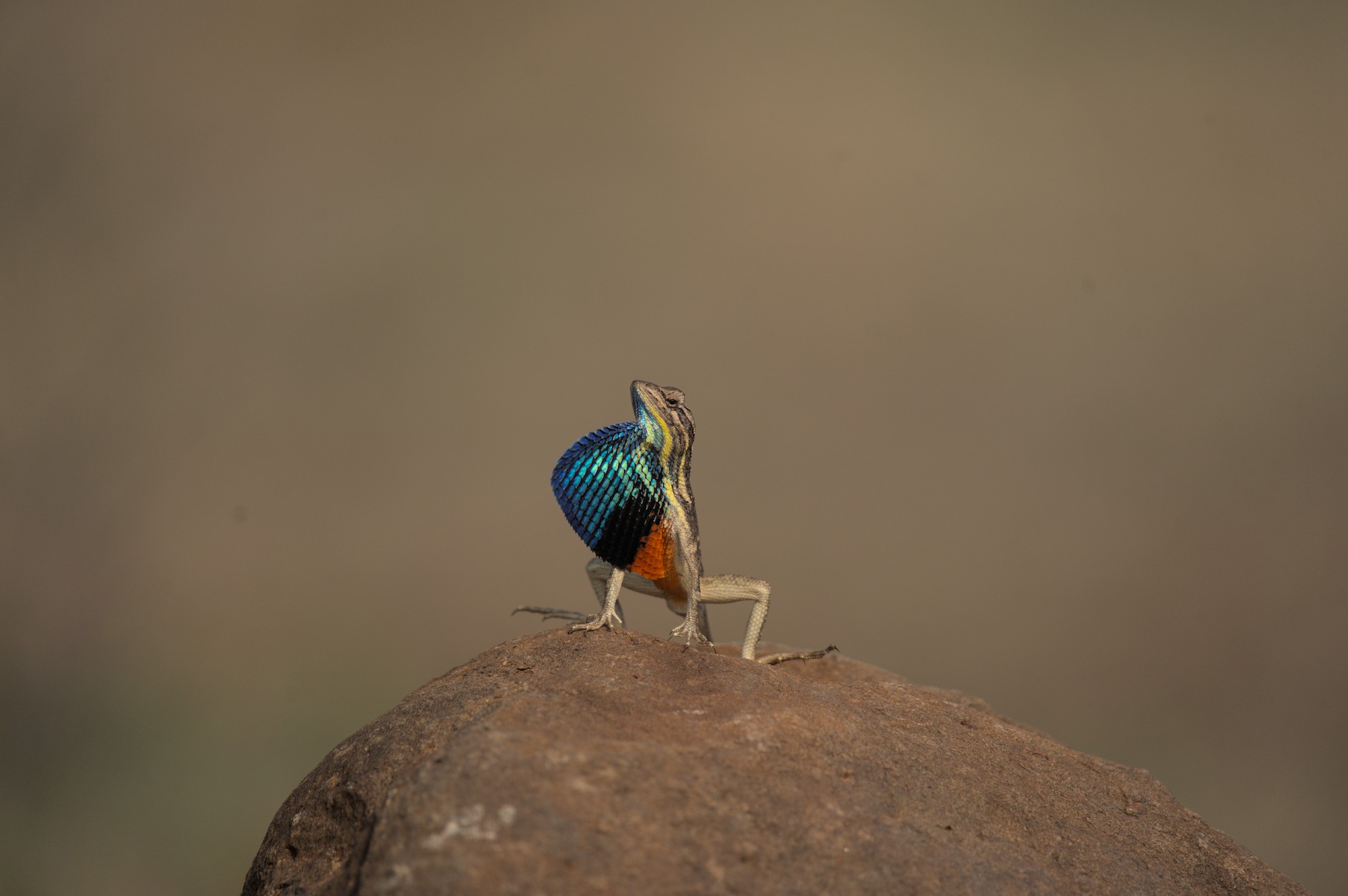
While the colours are a bit different to the Lightroom edit. It looks less punchy and less sharp than the LR edit, but in the end quite similar. Both default settings need some exposure on this RAW (on others maybe not).
3 Likes
In a way there is no source truth in raw editing and whatever an editor throws out at you initially shouldn’t be considered at all, only what you envision the photo becoming. At the end of the day the default is completely irrelevant and in my opinion it’s just bad advice, that originated from using old opinionated raw developers, passed down through the years
1 Like
No worries. Choose what you like. I set MY default to sRGB because it briings me on my workflow a more leliable output. I only switch for reasons (don’t ask me what reasons. I don’t really know on my own. When I want to have some extra punch I try to switch. Sometimes it’s nice sometimes not)
1 Like
I see no hijacking as exactly the same process is due every play_raw picture. Each of us have to have a certain feeling about what to do with a new fresh picture. So the discussion is very relevant and very close to the original question ‘processing without clipping’.
Besides that it is inevitable that humans react to each other and express what they think to be a ‘good’ and a ‘bad’ edited picture. So pretty soon you’ll have a ‘group’ more or less agreeing on what to be ‘good’ or ‘bad’. Being outside the group is kind of lonely. Ultimately your picture hanging on the wall provoke reactions of people expressing their feelings (or lack of) to which you’ll react as well.
Besides that I consider reality - as far as my dummy brain recalls it - to be something independent to the camera file I open in an editor.
At that point there are two main streams of thinking. One gives you an image more or less digestible the other gives you something raw to start with, not even medium baked…
I find it usually takes me considerable trouble imagining al the possibilities an image presents to me. And that’s were the group comes in again. Because a group may show you the wild variety of possibilities. Though at the cost of you thinking you understand what to be ‘good’ or ‘bad’ and living up to this new standard (which I think you should only partially do, only when you think that is appropriate).
So basically you are a lonely fellow looking for what is to be good. Always needing to choose to go your way or their way. Just the usual thing of life.
We are after all a kind of animal living a social group, very close to monkeys.
Sorry for this rant… 
1 Like
If I look at history and today’s world affairs. I think we should rethink this. What makes us different from monkeys, what makes us humans? The ability to speak?
Logical and independent thinking or social interaction can’t be the distinguishing features.
In the end we are more a subspecies of monkeys.
Agreed, we are a specialization fitting more niches and therefore temporarily successful.
1 Like
Personally (not wanting to push this on anyone - just sharing) I think one of our main distinguishing features is our ability to take joy from the simple presence of things we find beautiful, and extending that, our almost universal drive towards creativity in some form.
… … …
I know we don’t know if other mammals also appreciate beauty in its own rights and its own merit, but it doesn’t appear that way …?
2 Likes
There are observations of monkeys sitting down watching the setting sun that make me wonder…
4 Likes
One has to just look at the Birds of paradise to know that there is a sense of beauty (and fitness) among animals.
Even in the case of the Fan-throated Lizard, I am sure the choice of a mate is driven by how flashy and healthy he looks.
3 Likes
Many things we used to think were uniquely human are proving to be not so when we look at animal behavior.
2 Likes
Agreed!
And it’s a great joy to see what your beautiful picture releases in thoughts!
1 Like
I never use the darktable default workflow. I go back in the History stack to Highlight Reconstruction, compress the History stack, and start from there. All of the “artistic” decisions are my own.
5 Likes
A second attempt, this time trying to keep my edit more natural. Daylight White Balance and Sigmoid
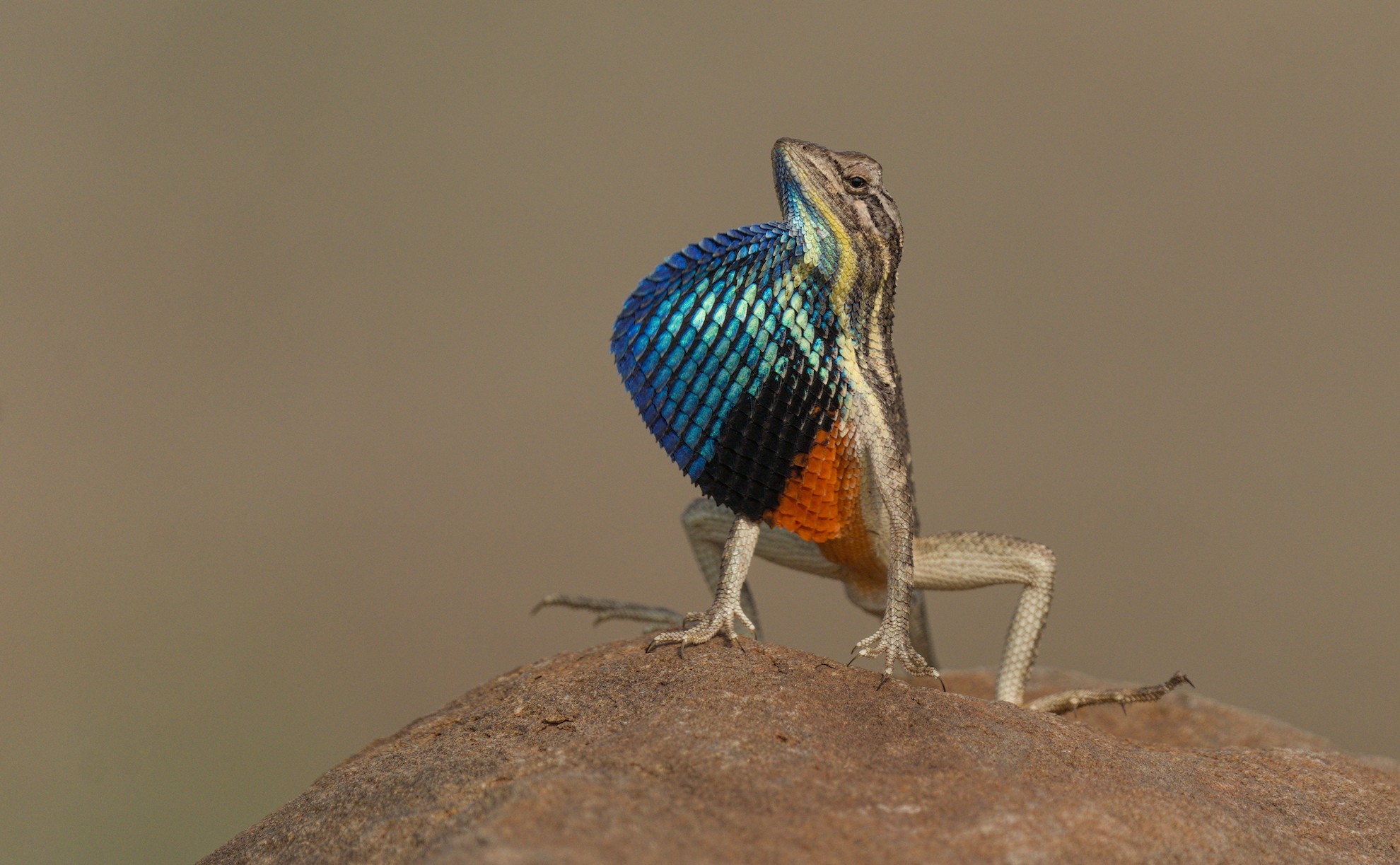
DSC09286_01.ARW.xmp (8.7 KB)
4 Likes
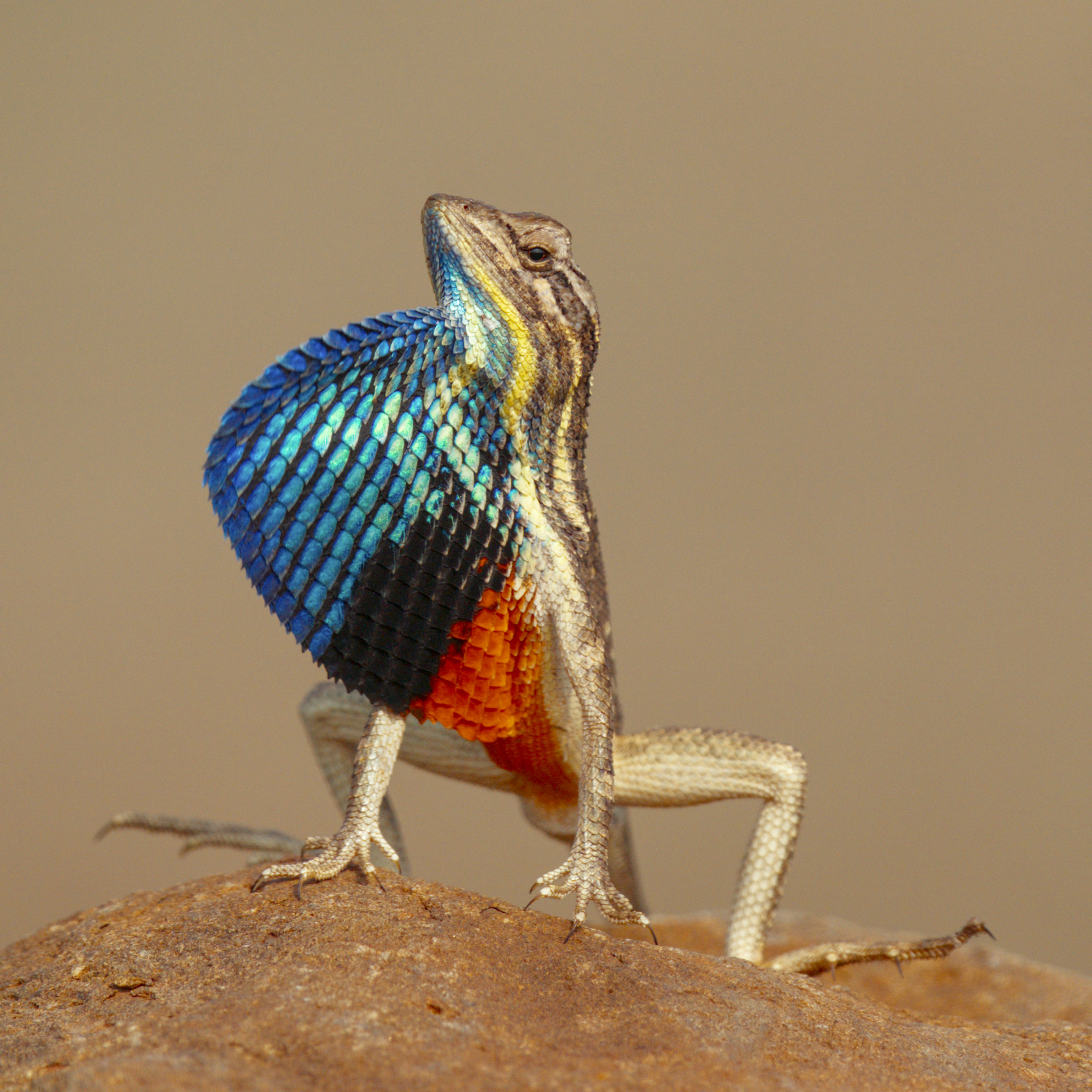
OpenDRT + local contrast. Tried to keep it believable (erm… giving it a second look, I failed). No sidecar (module unreleased).
6 Likes
OK OpenDRT seems to be the thing at the moment. But what is it?
Open Display Transform - a Toolset which tries to give as much control to the user as possible. That’s what I got from some quick research. This doesn’t make me really aware what it is. Another tonemapper with enhanced possibilities for treating colour???
Maybe someone can enlighten me with just a few words. Not going into detail. Just to give me a proper idea.
1 Like
It’s a tone mapper that separates tone (luminance) and colour. The tone mapper itself adjusts the luminance only (like in filmic), and there is separate code to introduce hue and saturation control (so saturation is controlled independently of the tone curve, changing the curve does not influence saturation, unlike in AgX). It’s a beast, with lots of controls. Check out
and Jed’s other videos.
Read open-display-transform/display-transforms/opendrt at main · jedypod/open-display-transform · GitHub and his Wiki at Home · jedypod/open-display-transform Wiki · GitHub
5 Likes
That was the thing, I criticized on AgX from beginning on.
And now where I got used to AgX you are working on the next Tonemapper? Silly you, poor me! 

7 Likes
I’m not sure. Do we really need another? Let’s see how @Christian-B’s tools work out. He’s also taken hints from modern tone mappers (including OpenDRT, if memory serves me well).
2 Likes