I used agx-emulsion in the last few days and my conclusion is: this is outstanding, great work! The best film simulation apps I’ve used, keep up the great work. This is my favorite after I had tried so many presets, luts, and other softwares like DXO FIlmpack. I can only hope this will be integrated as a module in Darktable.
9 Likes
I wholeheartedly agree. It’s the best for stills photography.
The project was last updated 11 months ago, so I wouldn’t get my hopes up. I don’t know if @agriggio and @hanatos are continuing to develop it for ART and vkdt.
Same here! It’s a question of performance, but @hanatos showed that GPU acceleration could do a lot for performance. It’s snappy in vkdt!
2 Likes
… well i am fine tuning stuff in vkdt, such as more controllable couplers and halation. still features missing (mainly preflash i think).
vkdt’s gpu pipeline is very different from darktable’s. sorry for how i designed dt’s pipe in the past, seemed like a good idea then. even without all the cpu fallback/copy code there’s a lot of cpu sync and overall just so much that hasn’t been designed for really fast execution/new hardware. not sure how snappy that can be, it’s a lost fight. on the bright side it’s well compatible with the hardware from back when, and the cpu codepath makes it more accessible to contributors.
8 Likes
3 Likes
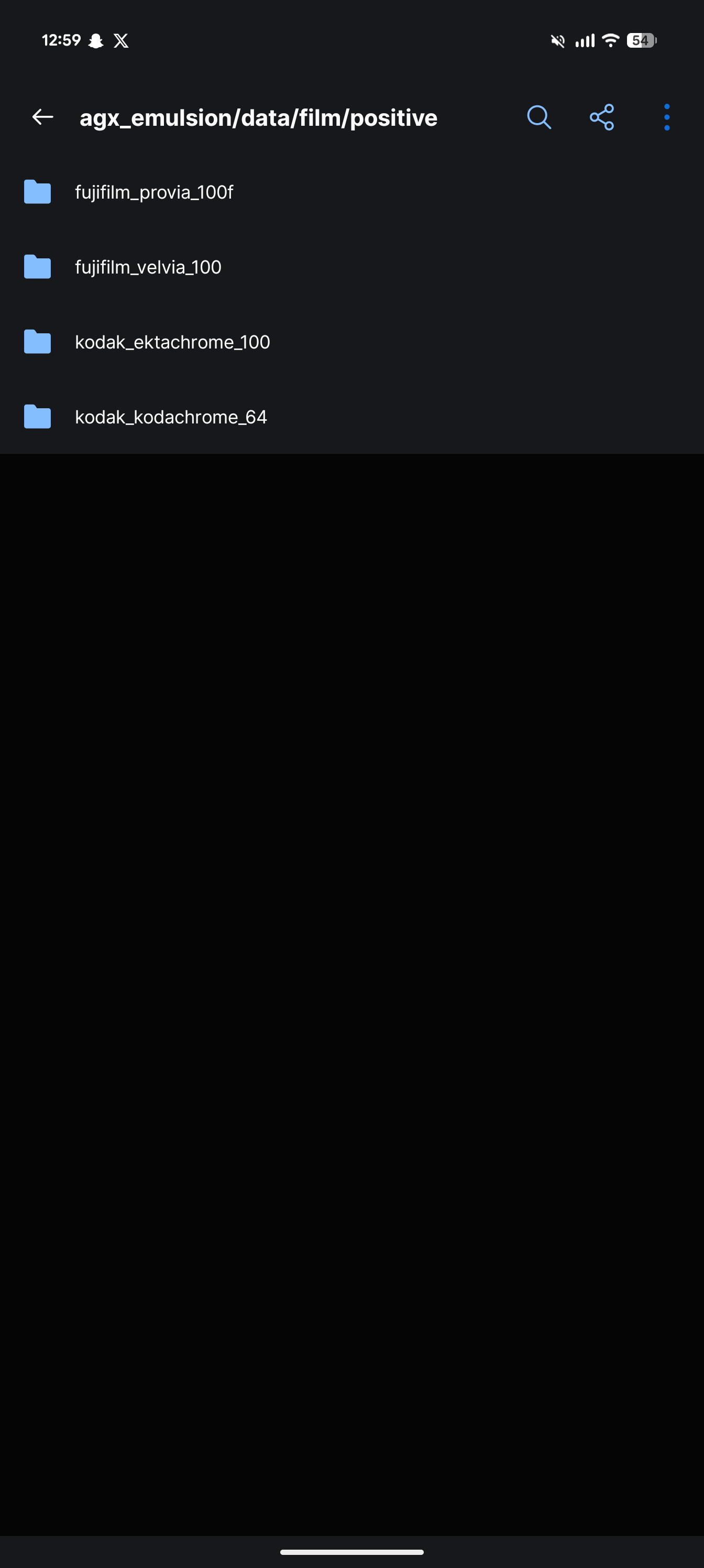
whoa nice! positive film and lots of refactoring going on.
3 Likes
After a LONG hiatus he seems to be back! And as soon as he is back he adds positive film!
I’m sure next up is some B&W.
Can’t wait!
Also an unrelated question, all my photos seem to be very warm after d65 conversion and I either use the channels in color module or pick preset and finding something neutral to get started with filmsim. Is this normal?
A bunch of them are RAWs from Fuji x-h2s, some RAWs from my pixel. I almost always need to make WB adjustments at which point I feel like I’m Messing up the input to the filmsim module . I tried also adjusting the y and c filters to get it to a nice place instead using the color module (assuming it must stay 1-1-1 for the sake of d65 input) but it’s not convenient…not sure what I am doing wrong but hopefully you can shed some light!
3 Likes
Nice catch  I’m so thankful for every little line of code added to this fantastic project. Will you likely add the positive films to vkdt, @hanatos?
1 Like
maybe open a separate thread and post some images? i understand much faster if i see pictures
the filters in the filmsim module are optimised to yield d50 neutral iirc, and should be identical to the original agx-emulsion python.
absolutely. have to understand what are the changes and remember how to ingest the .json.
3 Likes
Cool, thanks! 

This is a really cool project! It’s almost the complete opposite of Filmulator, which primarily concerns itself with the control of diffusion/depletion effects and specifically avoids mimicking grain or specific films’ colors. (because its goal is different: quick and easy decision-making while editing)
1 Like
This is great, I’m glad for the positive films update and for the continuity of this project. Hope to see some b&w film in the future.
3 Likes
thanks, will do! I also have many other favours to ask in terms of workflow advice.
1 Like
It was a long time since I checked out Filmulator. I always liked the idea, but never found the results to be filmlike (despite the name). I wish it was a bit like Film Look Creator in DaVinci Resolve. It does not attempt to emulate any specific film, but to emulate filmlike properties (like halation, color grain, film like color etc.).
I liked the results of shooting film, always finding a simple curve applied to the lab scan to look quite good, but I was never enamored with the technical flaws like halation and grain. So I chose to simulate aspects of the development process to achieve only the improvements that I care about.
I guess the name Filmulator is misleading for those looking for filmlike looks, but SimpleBetterJPEGifier (a more precise description of what it achieves for me) doesn’t really roll off the tongue.
Maybe there’s some better messaging I can put on the website?
3 Likes
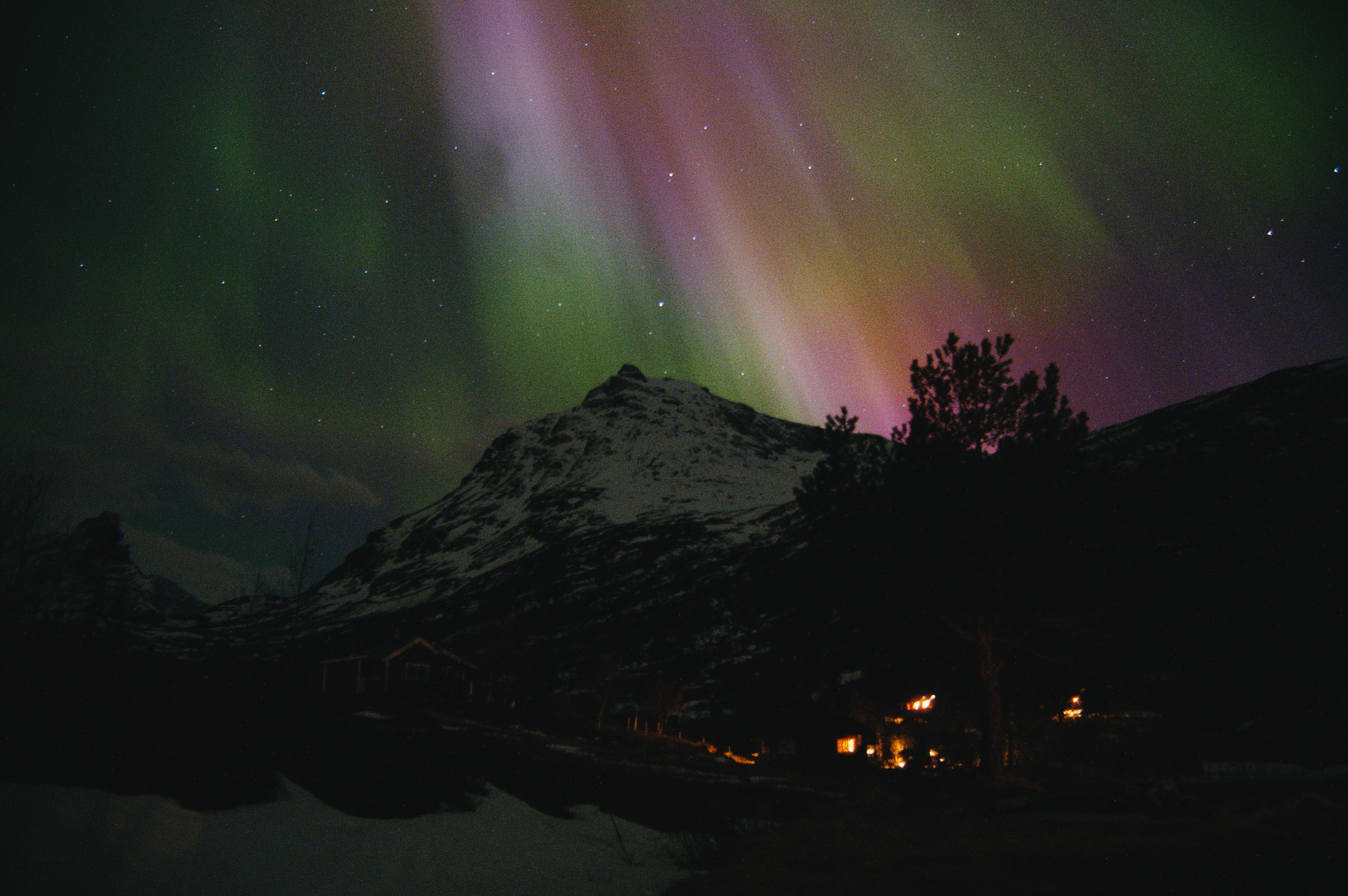

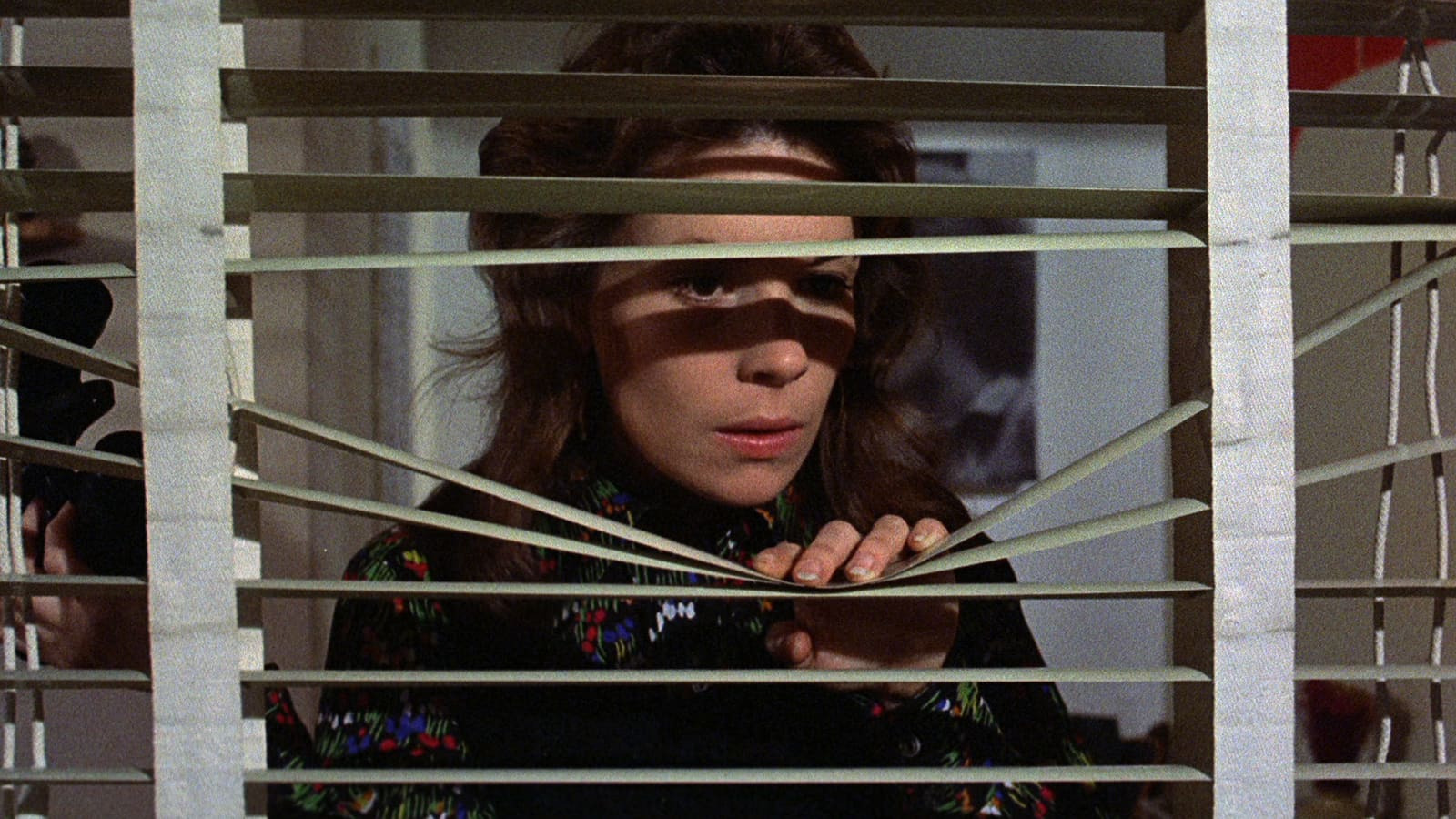
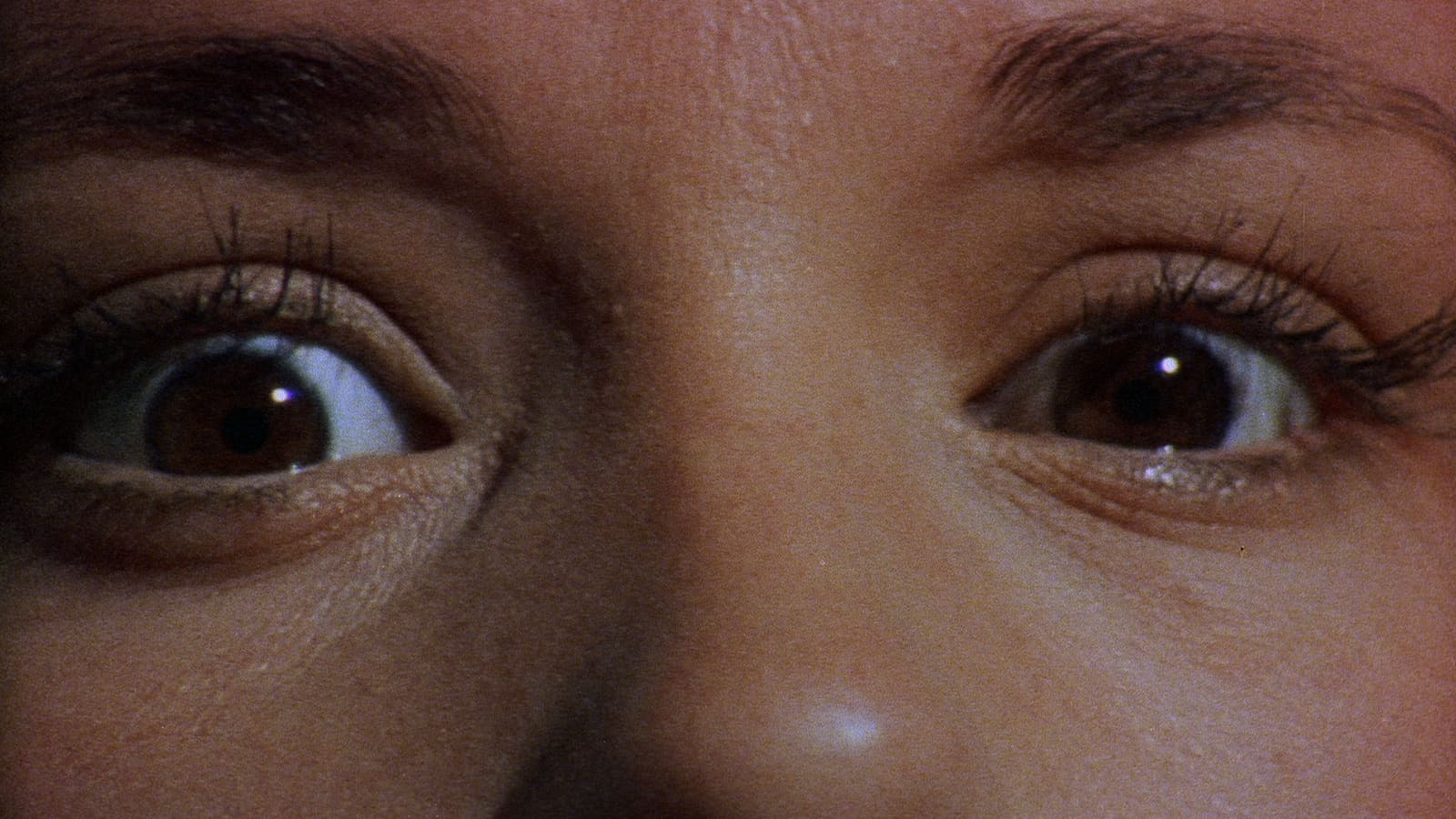
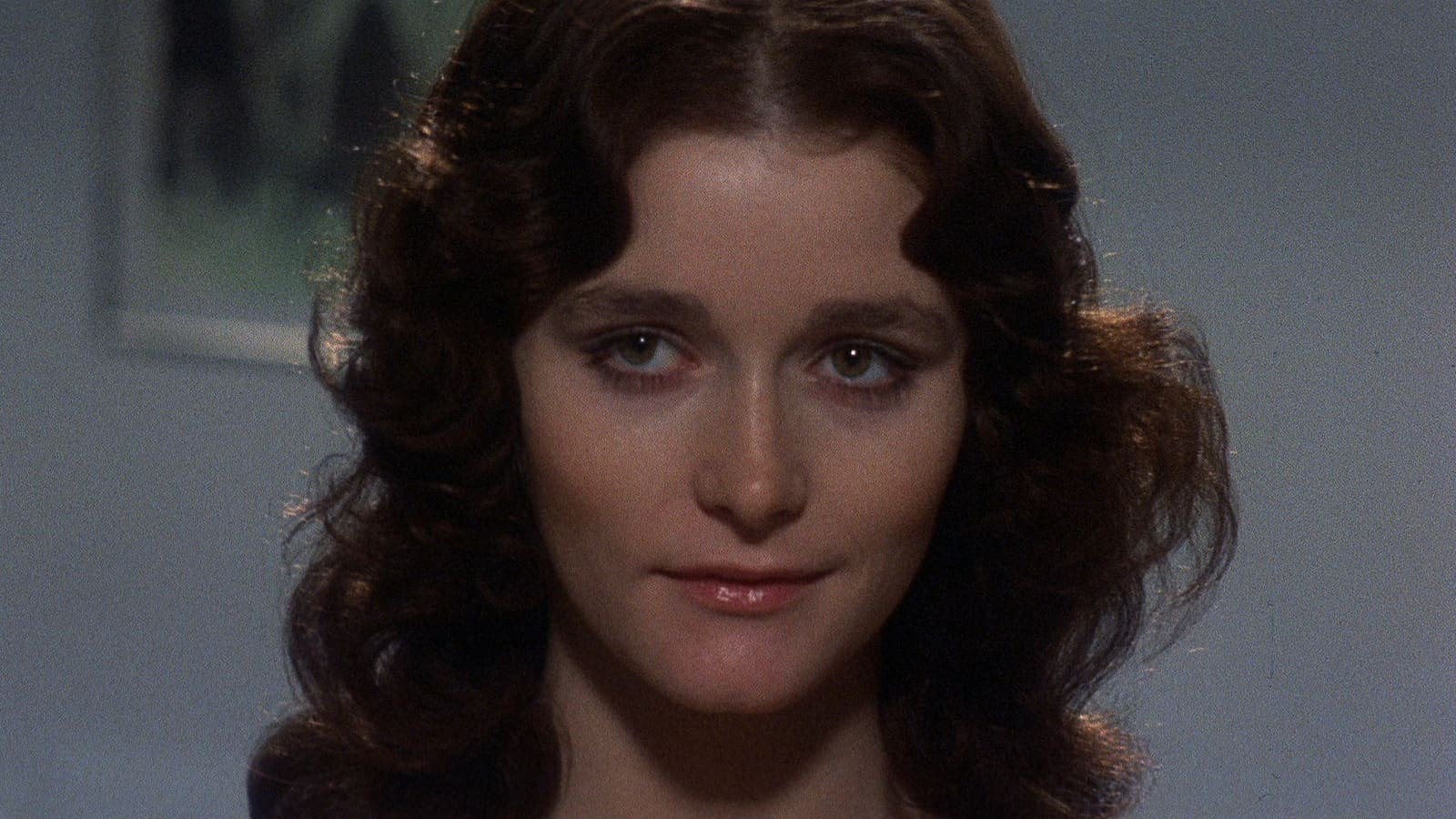
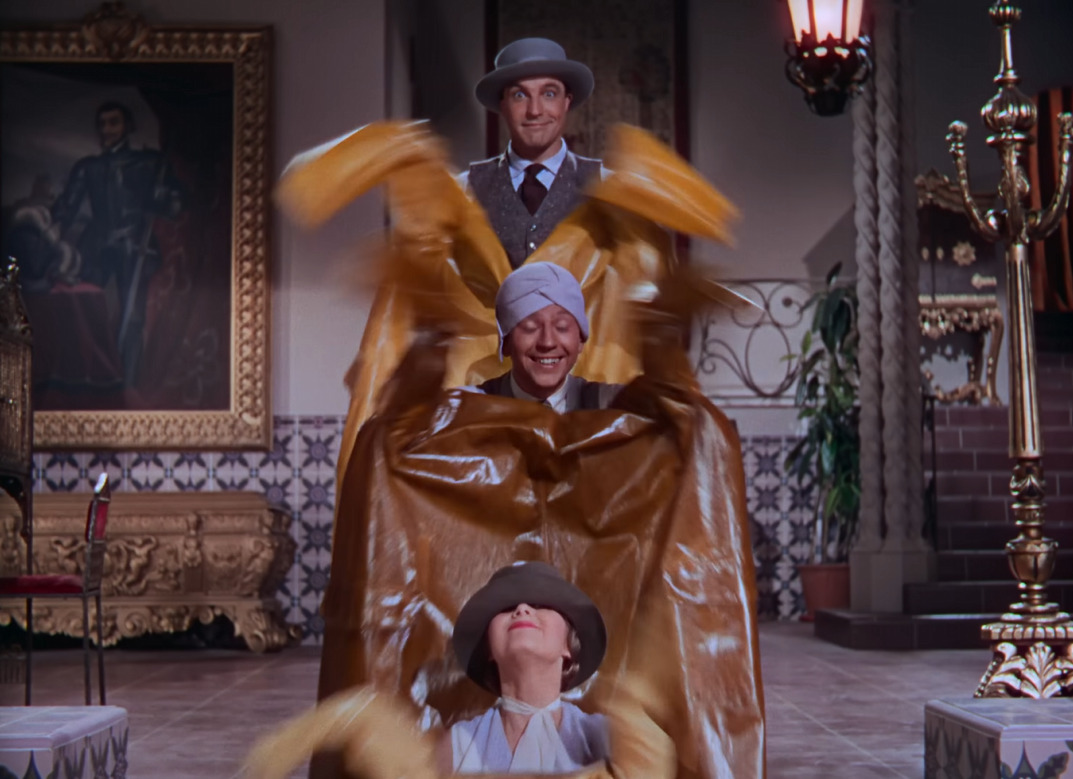
Something i would be very impressed to see from this project in the future is the recreation of old technicolor/eastmancolor/film from the 1990s - backward. I have never seen a film emulation tool (or really modern film in general) emulate that imperfect and almost oil painting like quality, and I have been searching for years on a way to accurately emulate it with very little success since every film emulation plugin/filter is simply concerned with changing the color relationships. Which to me has always just looked like digital with color correction and in my opinion looks just the same as everything else. It has to be possible some how, right? I hope you all understand what i’m talking about, it’s that kind of painted look that must’ve been a result of the photo chemical process not being as refined and perfected as it is nowadays, where subjects from a distance can almost bleed into smudges on the frame. When movies and color photography didn’t look real, didn’t look synthetic, but gave off the appearance of moving paintings. For everything that i have seen in my research on this topic, this tool has gotten the closest I’ve seen so far (but still not quite there). I am probably the least tech literate person in this entire thread and have never even picked up a film camera before so please tell me your guys’ thoughts on this.
1 Like
Slightly off topic response from me. I grew up with film and made a career out of shooting and processing film. I have no desire to return to a film like look as I embrace the digital image for its own sake. However, I often wish to give my image more of a painted looked. That could be a water color effect or an oil painting look. That is one emulation I would like to see.
3 Likes
Interesting, I’m intrigued by this oil painting look; I’d love to be able to apply it, at least partially, to a digital photograph. Can you show us some examples of film photos that have this look?
Hey, my account will only let me post 4 images per post so I’ll be responding in a thread. Sorry for the inconvenience.
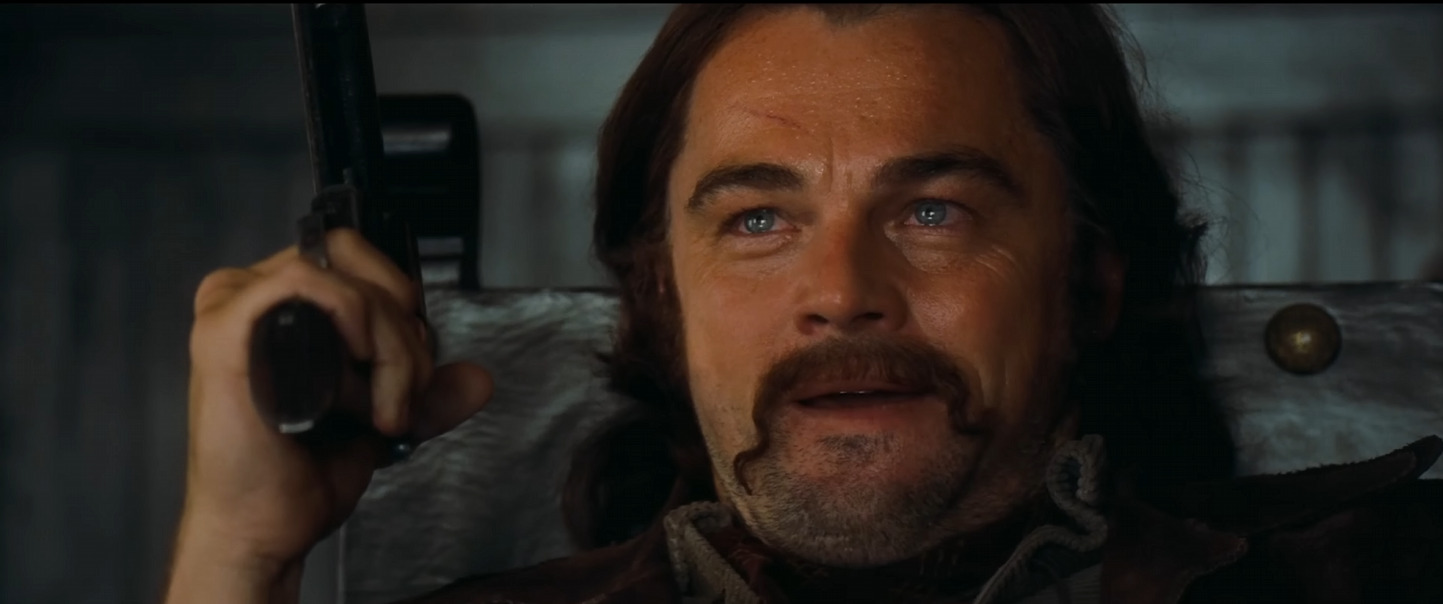
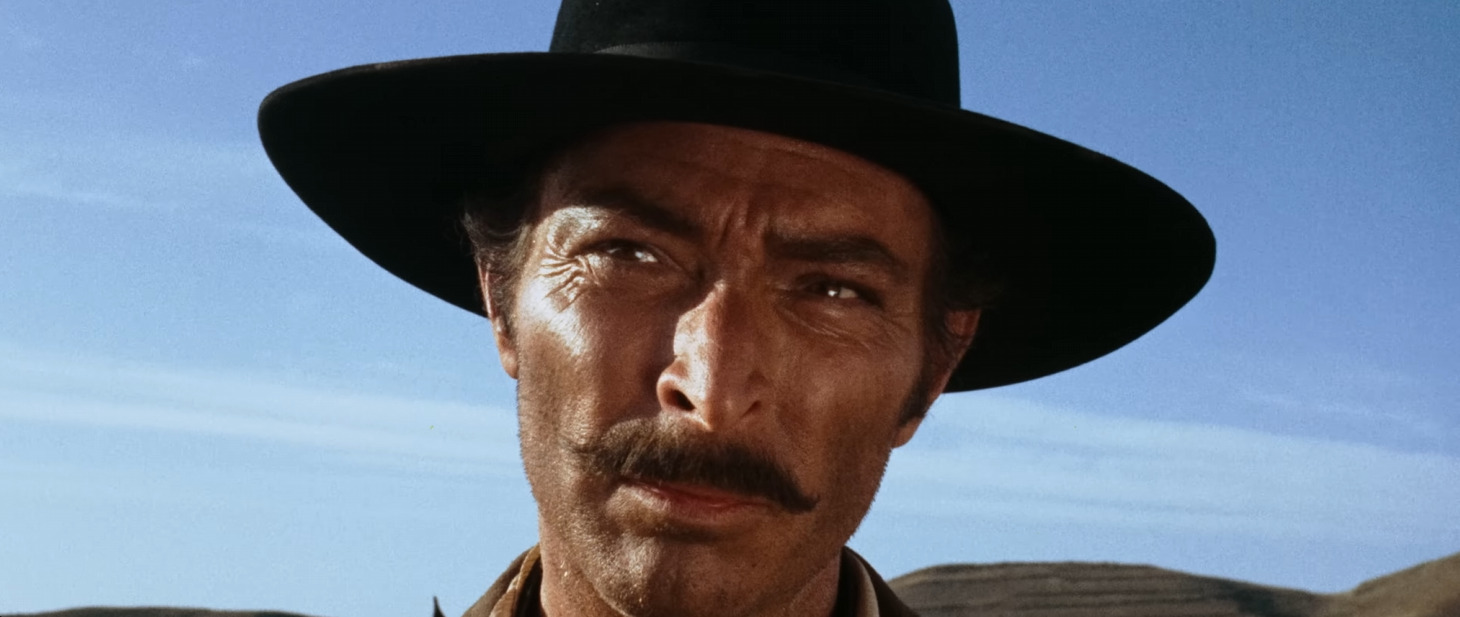
First, here’s an image from a newer movie shot on film. Now i think this looks good don’t get me wrong, but i feel that newer film looks too perfect and too similar to digital. Now here’s a few examples of what I’m talking about.
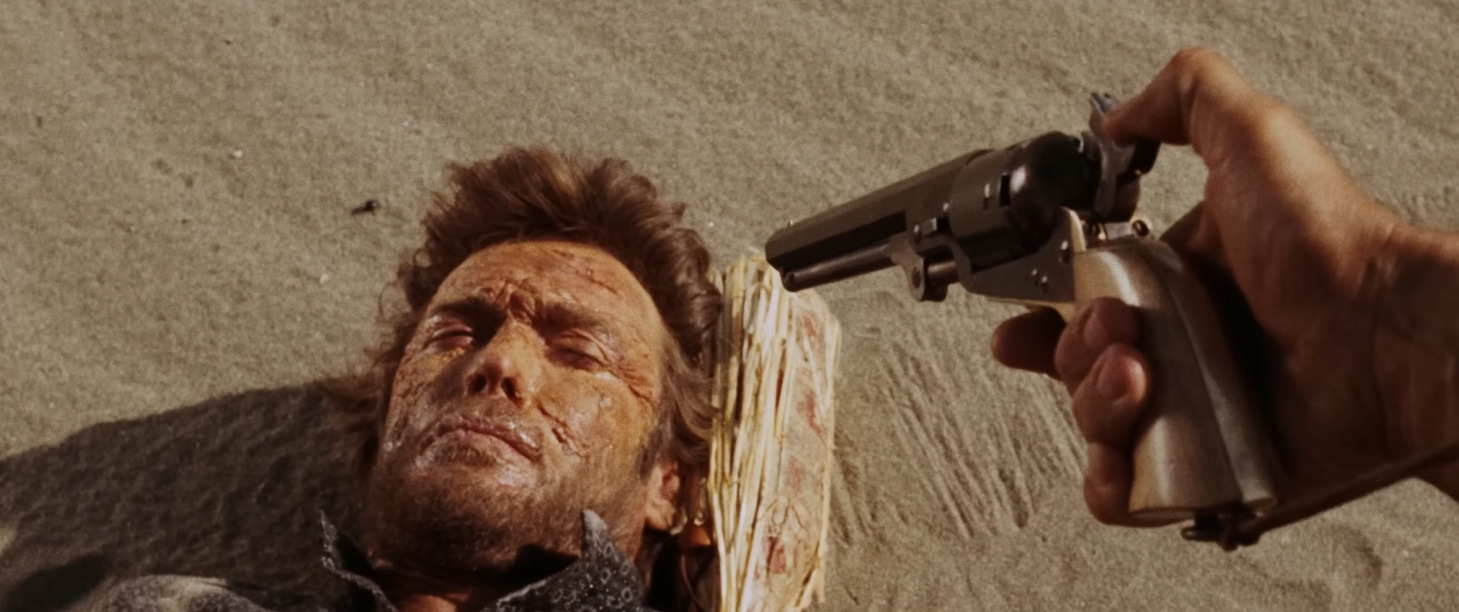
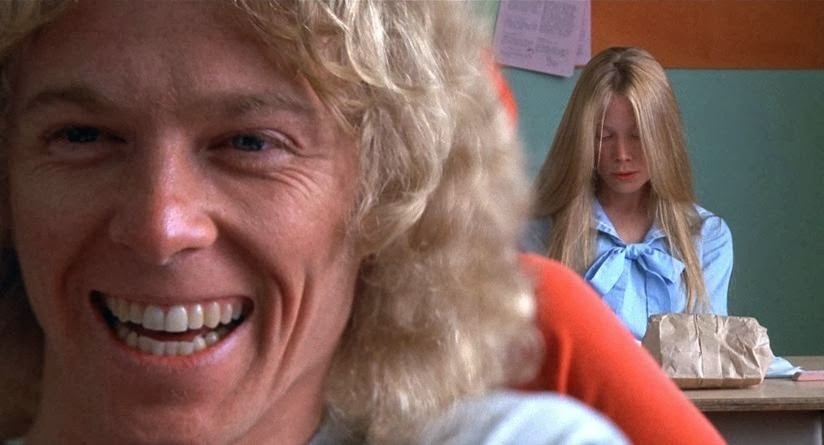
2 Likes